STRENGTHENING VOICES, BUILDING NETWORKS: WHRDN-U HOSTS TRANSFORMATIVE REGIONAL CAPACITY BUILDING WORKSHOP

July 2-4, 2025 | Kampala, Uganda

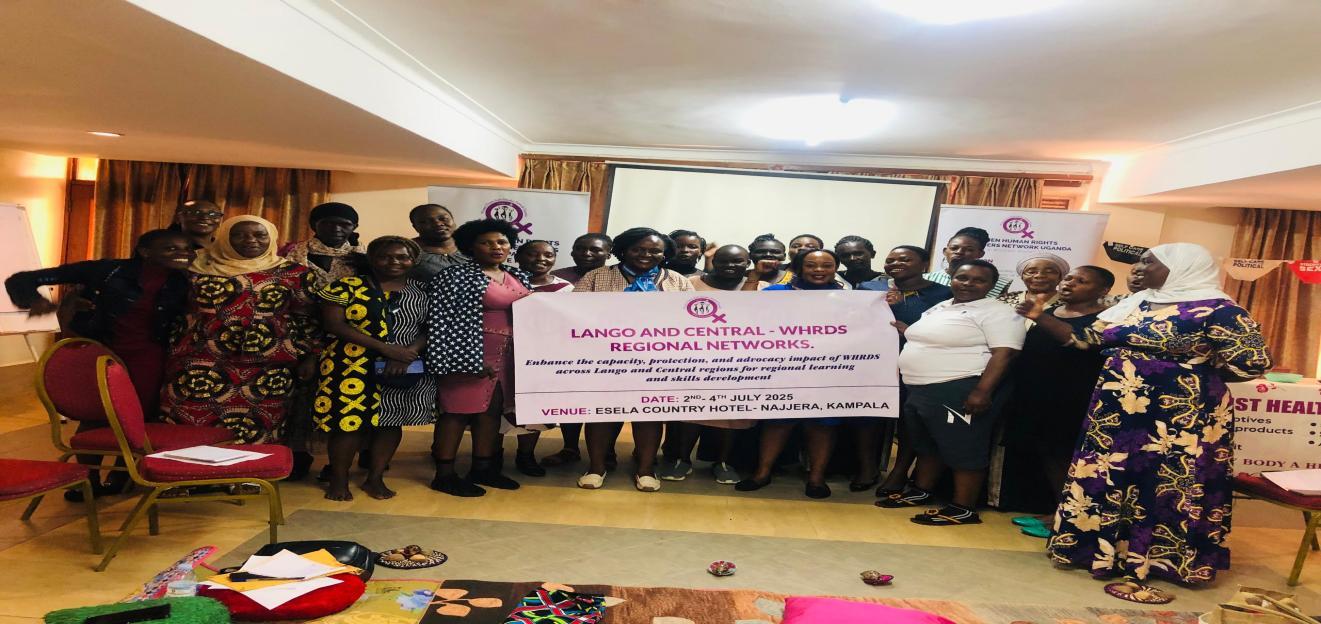
Women Human Rights Defenders Network Uganda (WHRDN-U) successfully concluded a groundbreaking three-day residential capacity building workshop that brought together 20 dedicated Women Human Rights Defenders (WHRDs) from Central and Lango regions. The workshop, held from July 2-4, 2025, in Kampala, marked a significant milestone in strengthening the advocacy impact and protection mechanisms for women defenders across Uganda.

Building Relationships across Regions

The workshop’s core objective was clear: enhance the capacity, protection, and advocacy impact of WHRDs through cross-regional learning and skills development. With participants representing diverse advocacy backgrounds, from combating early marriages to defending sex workers’ rights, the gathering created a powerful platform for shared learning and mutual support.

“We shall never go back when we are the same due to the information shared,” expressed Akello Jamilla, capturing the transformative spirit that permeated the three-day event.

Institutional Partnerships: Opening New Doors

Uganda Human Rights Commission: A Strategic Alliance

Ruth Sekinde, Director at the Uganda Human Rights Commission (UHRC), delivered a powerful session that challenged participants to recognize their worth and impact. Her opening message resonated deeply:

“One key lesson learned in my human rights work journey is that women are very important, but women underestimate themselves. Women are enemies of each other, but there is space for all of us.”

Through interactive case studies and stereotype-breaking exercises, Ruth helped participants understand that speaking about human rights doesn’t mean being against government, but rather addressing issues that affect people’s lives. The session equipped defenders with practical knowledge on how to engage UHRC mechanisms for accountability and protection.

Equal Opportunities Commission: Addressing Discrimination Head-On

Counsel Peace from the Equal Opportunities Commission brought fresh perspectives on tackling discrimination and marginalization. Her session revealed that only 5 out of 20 participants had previously interacted with EOC, highlighting a crucial gap that the workshop aimed to bridge.

C:\Users\user\Downloads\1000521797.jpg

Participants shared powerful testimonies of discrimination:

  • Maria, a sex worker rights defender: “As a sex worker, people hate you because they don’t like someone doing sex work.”
  • Betty, on tribal discrimination: “I felt neglected because I was always harassed by the stepmother due to my mixed heritage,my mother was Munyarwanda and father was Muganda.”
  • Getrude, on gender-based exclusion: “While in a committee meeting full of men, I am always denied a platform to make any submission.”

“After meeting with an EOC representative, my hopes have been built up because I believe Lango regional economic disparities can be addressed,” shared Jamila, expressing renewed optimism.

Personal Safety and Collective Care: Revolutionary Self-Preservation

One of the workshop’s most innovative elements was the wellness and collective care session, including guided nap time—a radical act of self-preservation in a field where defenders often sacrifice personal well-being for their cause.

“Most times women are lost in work, they never have time for themselves, but taking a nap is not a burden,” emphasized facilitator Brenda Kugonza.

Participants learned that self-care isn’t selfish but essential: “Rest and self-care are so important. When you take time to replenish, it allows you to serve from an overflow.”

Risk Assessment through Real-Life Scenarios

The workshop featured three compelling role-play sessions that brought security challenges to life:

  1. Office Security Breach: Participants navigated the aftermath of break-ins at women’s organizations, learning the importance of information backup and collaborative response.
  2. Land Grabbing Resistance: Defenders faced unlawful arrest and sexual violence while fighting for women’s land rights, highlighting the need for legal aid networks and emergency support systems.
  3. Media Advocacy Challenges: A role-play involving early marriage prevention through media advocacy demonstrated the political intimidation defenders face and the critical importance of cross-regional networking.

Evidence-Based Advocacy: From Stories to Systems Change

Through targeted advocacy simulations, participants learned that preparation builds confidence and personal testimonies create powerful evidence for systemic change. The workshop emphasized that documentation isn’t just record-keeping. It is  the foundation of evidence-based advocacy that can transform policies and save lives.

Challenges and Honest Reflections

The workshop didn’t shy away from difficult realities. Key challenges identified included:

  • Cultural and Religious Rigidity: Deep-rooted beliefs that limit full engagement in human rights work
  • Isolation Among WHRDs: Many defenders lack support networks and safe spaces
  • Limited Documentation Capacity: Knowledge gaps in effectively recording human rights violations

Looking Forward: A Network Strengthened

As the workshop concluded, participants weren’t just better informed.They were transformed. The network, now comprising 145 members across regions, committed to:

  • Identifying and documenting WHRDs in their districts
  • Continuing evidence-based advocacy training
  • Providing emergency response support (legal, medical, psychological)
  • Promoting cross-cultural visits and emotional well-being initiatives
  • Creating opportunities for experienced WHRDs to facilitate future training sessions

The Ripple Effect Begins

“After this workshop, we’re not just returning to our communities. We’re returning as empowered advocates with tools, networks, and renewed purpose,” reflected one participant.

The WHRDN-U residential workshop proved that when women defenders come together, share experiences, and build alliances, the impact extends far beyond individual empowerment. It creates a movement capable of challenging systems, protecting the vulnerable, and building a more equitable Uganda.

Published by Brenda Kugonza
TRAINING TRANSLATES TO ACTION: ALBERTINE REGION TEAM CHAMPIONS EQUAL OPPORTUNITIES

WHRDN-U’s capacity building initiatives continue to yield tangible results as participants apply their knowledge to address critical human rights issues in their communities.

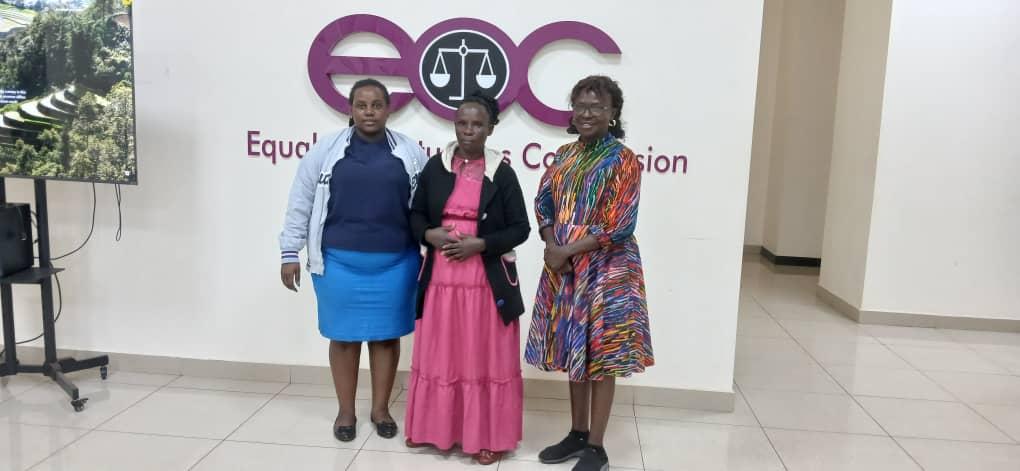
In a powerful demonstration of how effective training can catalyze meaningful change, a dedicated team from Uganda’s Albertine region has taken decisive action to combat marginalization in their area. Following their participation in WHRDN-U’s specialized training on “Engagement with Institutions/Policy Makers,” the team has successfully referred cases of marginalization to the Equal Opportunities Commission.

C:\Users\user\Downloads\PHOTO-2025-07-17-17-57-23.jpg

This initiative exemplifies the core mission of the Women’s Human Rights Defenders Network-Uganda (WHRDN-U) – building capacity among human rights defenders to effectively engage with institutional frameworks and policy-making processes. The training equipped participants with essential skills and knowledge on how to navigate formal channels for addressing human rights violations and promoting equal opportunities for all.

The Albertine region team’s proactive approach in identifying and referring marginalization cases demonstrates the practical application of their newly acquired skills. By working directly with the Equal Opportunities Commission – Uganda’s constitutional body mandated to eliminate discrimination and inequalities – the team is ensuring that affected individuals and communities have access to proper legal recourse and protection.

This action represents more than just a referral process; it signifies a systematic approach to human rights advocacy where defenders are empowered with the knowledge and confidence to engage with formal institutions effectively.

The success story from the Albertine region highlights the importance of targeted capacity building in strengthening Uganda’s human rights ecosystem. When human rights defenders are equipped with the right tools and knowledge, they become powerful agents of change in their communities.

WHRDN-U remains committed to providing such transformative training opportunities that not only educate but inspire action. The organization continues to build the capacity of women human rights defenders across Uganda, ensuring they have the skills needed to effectively advocate for human rights and engage meaningfully with policy-making institutions.

This impact story serves as an inspiration to other human rights defenders across the country and demonstrates the ripple effect of quality training programs. As WHRDN-U continues to expand its capacity building initiatives, more communities will benefit from having skilled advocates who can navigate institutional frameworks to secure justice and equal opportunities for all.

The work of the Albertine region team stands as a testament to the power of education, training, and committed action in the fight for human rights and social justice in Uganda

WOMEN DEFENDERS LEARN HOW TO RECORD AND SHARE THEIR STORIES

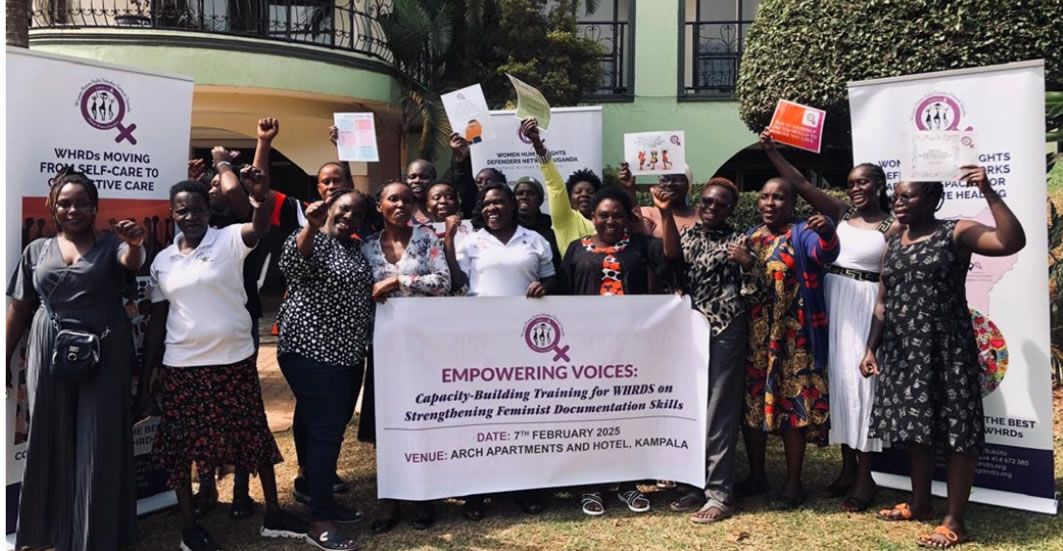
Nineteen women human rights defenders (WHRDs) from different parts of Uganda came together for a special training on feminist documentation. The event was held at Arch Apartments and Hotel and was organized by the Women Human Rights Defenders Network Uganda (WHRDN-U). The training helped them learn how to record and report human rights violations, speak up for women’s rights, and protect themselves and others.

Why Recording Stories is Important

Brenda Kugonza, the leader of WHRDN-U, opened the training by saying that documenting human rights violations is not just about writing things down. She said it is about fighting for justice and protecting people. She praised some WHRDs for their hard work in following up on attacks and helping women in need.

Real-Life Stories from WHRDs

During the training, the WHRDs shared true stories about the challenges women face:

  • Wagodo Harriet (Kaliro) talked about a girl with a disability who was raped by her brother-in-law. The girl became pregnant, and the man ran away instead of facing punishment.
  • Beatrice (Kabarole) shared how widows are denied their rights to land, making life difficult for them.
  • Tibakanya Robina (Hoima) explained how people living with HIV are struggling because of a lack of support.
  • Kagoya Angella Irene (Iganga), a journalist, described how police mistreat media workers.

Atim Grace Abalo (Albertong) spoke about cases of sexual harassment against women with disabilities.

Challenges WHRDs Face

Monicah Awekenimungu led a session about the struggles that WHRDs face in getting help. These include:

  • Violence and Harassment: Some WHRDs are attacked or even killed while defending women’s rights.
  • Not Knowing Where to Get Help: Many WHRDs do not know about the legal and support systems that exist for them.
  • Fear of Speaking Out: Some are afraid to report crimes because they fear losing their jobs or being attacked again.
  • Poor Documentation: If reports do not have enough details, it becomes hard for organizations to take action.

Learning How to Document Cases

Brenda Kugonza taught the defenders how to properly fill out incident forms, making sure all important details are included. She reminded them that survivors should fill out the forms themselves to keep the information accurate. The women practiced through role-play activities and learned how to separate cases of Gender-Based Violence (GBV) from those related to WHRD activism.

Plans for the Future

At the end of the training, the WHRDs made action plans, including:

  • Writing better reports and sharing them with WHRDN-U for support.
  • Visiting defenders in Ngora District to support a group of women who were kidnapped in the past.
  • Talking to the Uganda AIDS Commission to advocate for people living with HIV/AIDS.
  • Taking care of themselves by organizing a self-care session at Esela Country Gardens.
  • Keeping the WHRDN-U network strong by being honest and responsible in their work.

Looking Ahead

The training helped WHRDs improve their skills and gave them the confidence to continue their work. As Uganda heads into a challenging time, these women are ready to protect human rights, support each other, and demand justice for all.

BUILDING SOLIDARITY AND STRENGTH AMONG WOMEN HUMAN RIGHTS DEFENDERS IN RWENZORI

BUILDING SOLIDARITY AND STRENGTH AMONG WOMEN HUMAN RIGHTS DEFENDERS IN RWENZORI

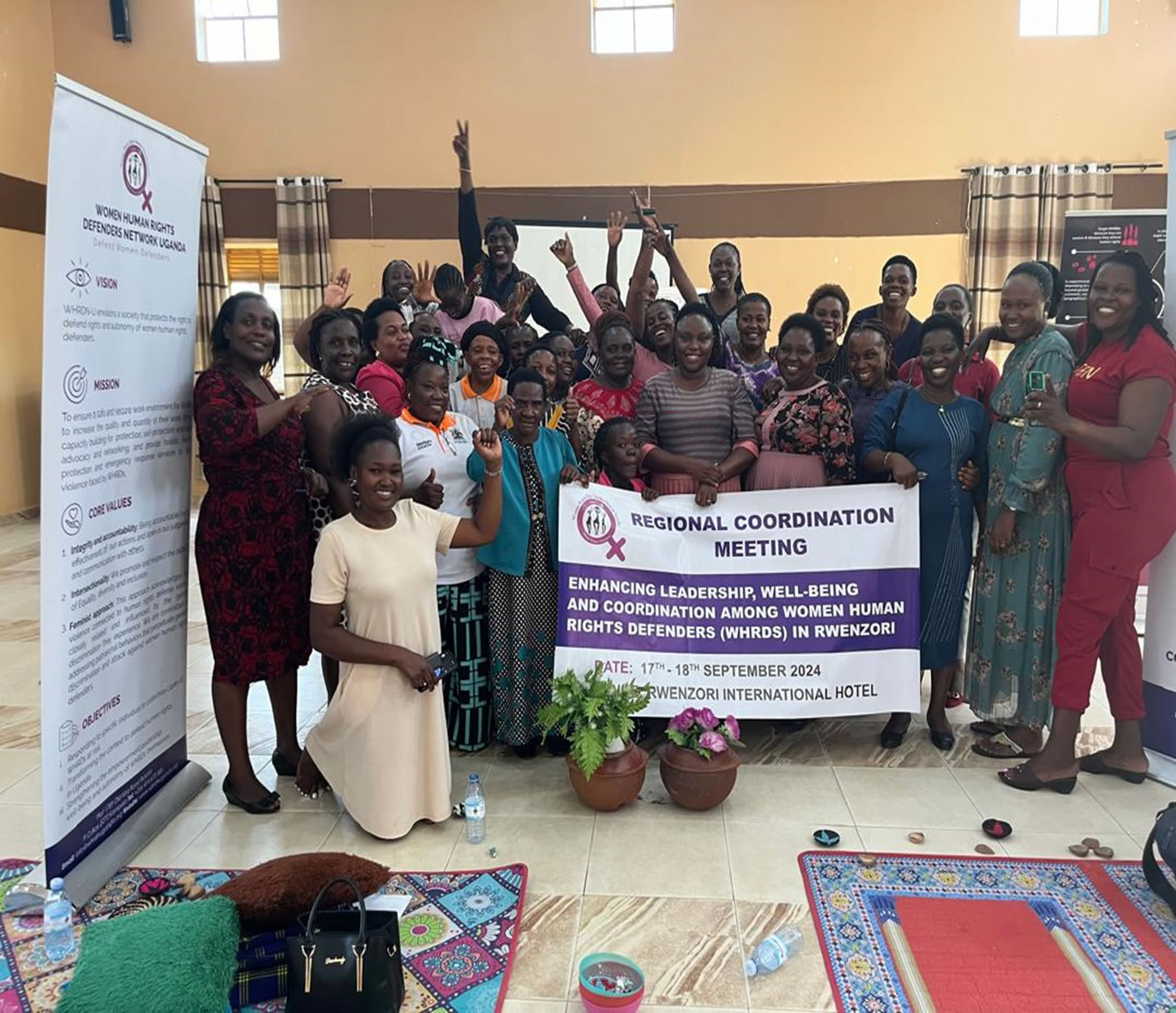
In September 2024, 30 dedicated Women Human Rights Defenders (WHRDs) from the Rwenzori region gathered at the Rwenzori International Hotel in Kasese for a two-day coordination meeting focused on enhancing leadership, well-being, and collaboration. The gathering provided a much-needed safe space for these defenders to share their challenges, reflect on self-care practices, and strengthen their collective protection networks.

The meeting’s objectives were clear: create supportive environments for WHRDs to openly discuss their fears, challenges, and needs, and build solidarity across regions. These efforts were aimed at fostering stronger connections and trust among WHRDs while enhancing their ability to respond to the risks they face in their work.

Throughout the meeting, participants shared the unique difficulties they encounter in conflict and crisis situations, such as violence against women, child labor, and community insecurity. From cross-border conflicts to physical threats and social stigma, the WHRDs described the emotional and psychological toll of their activism. Despite these challenges, the defenders found strength in one another’s stories, forging bonds of sisterhood that are crucial for their continued work.

One of the most valuable sessions focused on self-care, which included activities like relaxation, socializing, and seeking guidance from peers. This initiative underlined the importance of maintaining mental and physical well-being amidst the intense pressures faced by WHRDs. Reflecting on these activities, participants expressed how moments of self-care and solidarity visits had significantly improved their emotional resilience.

Moreover, the meeting highlighted the importance of building protective networks. Through role-playing exercises, WHRDs learned how to mobilize support and respond quickly to emergencies within their regional network. The value of working together for mutual safety was emphasized, with the network serving as a collective safety net for those at risk.

While the meeting was successful in fostering collaboration, it also revealed challenges. Burnout, stress, and logistical barriers to effective coordination remain pressing concerns for WHRDs in the region. However, a commitment to ongoing mentorship, training, and capacity building offers hope for overcoming these obstacles.

As these defenders return to their communities, they are determined to continue their work with renewed strength, drawing from the solidarity they built during this meeting. They are already planning follow-up actions, such as radio shows, solidarity visits, and reporting cases of violations against WHRDs. These efforts are essential to ensure the safety, well-being, and continued impact of the WHRDs in the Rwenzori region.

EMPOWERING WOMEN HUMAN RIGHTS DEFENDERS IN UGANDA

EMPOWERING WOMEN HUMAN RIGHTS DEFENDERS IN UGANDA

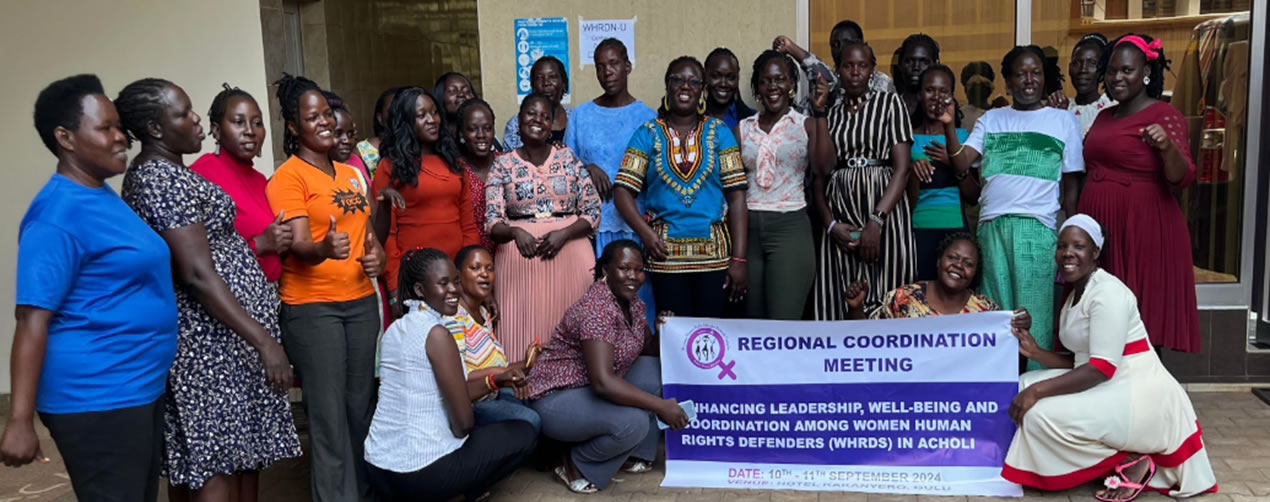
In Uganda, women who champion human rights face immense challenges, yet their resilience and dedication remain unwavering. Recently, a two-day regional coordination meeting in the Acholi region provided a safe space for Women Human Rights Defenders (WHRDs) to share their experiences, strengthen their networks, and enhance their protective capacities. The meeting brought together over 30 WHRDs, who discussed the severe risks they face, including gender-based violence, land disputes, and judicial harassment, often exacerbated by cultural and legal barriers.

Key discussions revolved around collective protection, emphasizing the power of solidarity and collaboration in safeguarding these courageous women. By building strong networks, WHRDs can amplify their voices, mitigate risks, and support one another in times of crisis. The participants shared practical strategies for overcoming the isolation that many face, from mobilizing local resources to using secure communication platforms for coordinated responses.

Despite their shared commitment to justice, WHRDs in Uganda continue to confront significant obstacles. Many operate in isolation, facing physical threats and societal stigmatization. The meeting highlighted the urgent need for collective action and the importance of engaging community leaders to protect defenders on the frontlines.

Looking ahead, WHRDs are committed to engaging clan leaders, religious groups, and peace committees to bolster their safety and promote peace-building initiatives. Through these continued efforts, WHRDs in Uganda can build a more resilient and united movement, ensuring that their invaluable contributions to human rights are protected, recognized, and celebrated.

This gathering has shown that while the path for WHRDs is fraught with risks, unity and collaboration are powerful tools in overcoming adversity and securing the future of human rights advocacy in Uganda.

Empowering Women Human Rights Defenders through Feminist Documentation A Step towards Justice and Protection

Empowering Women Human Rights Defenders through Feminist Documentation: A Step towards Justice and Protection

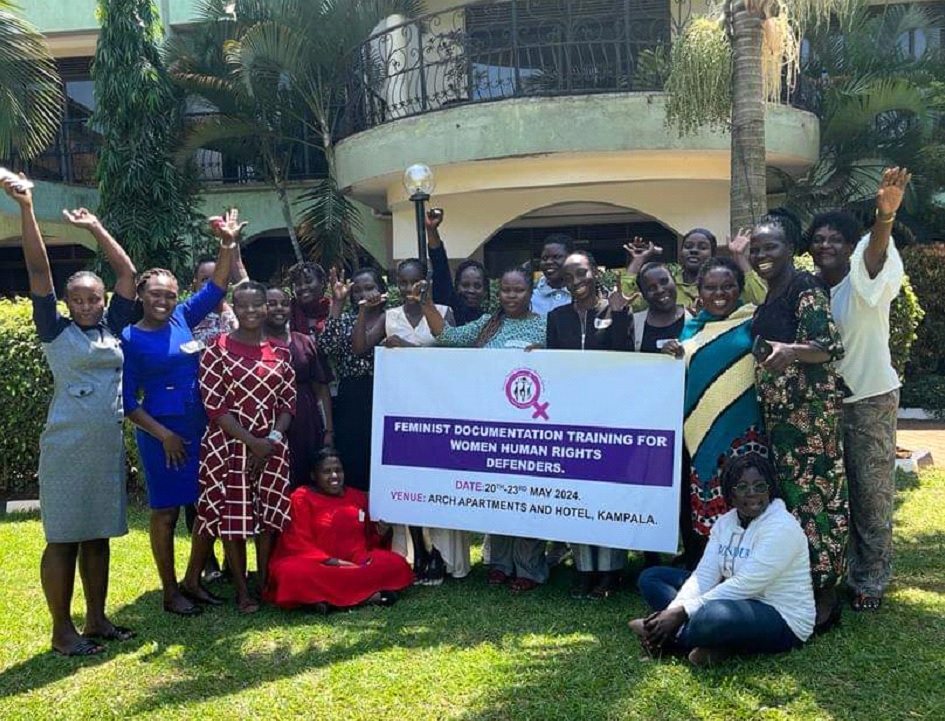
The Women Human Rights Defenders Network-Uganda (WHRDN-U) recently concluded a transformative four-day feminist documentation training for 16 Women Human Rights Defenders (WHRDs) in Kampala. The training, held from May 20th to 23rd, 2024, focused on equipping WHRDs with essential skills to document the violations they face from a gender-sensitive perspective, while also fostering their physical, mental, and digital security.

The training provided a safe and inclusive space for WHRDs to share lived experiences, engage in self-care practices, and build solidarity networks for mutual support and well-being. Participants acquired skills in holistic security, digital safety, and physical protection—tools critical for their activism in an increasingly hostile environment.

One of the standout moments was a session on documenting violations against WHRDs. Facilitated by experts in feminist documentation, the session highlighted the power of recording incidents of violence, gender-specific attacks, and patterns of abuse. The participants learned how to collect and preserve evidence, capture testimonies, and apply a “do no harm” approach, ensuring dignity and confidentiality for survivors. This session inspired many WHRDs, with some reflecting on their past inability to recognize and report the gender-based violence they had endured.

WHRDs shared personal stories that revealed the harsh realities they face in the field. From threats of eviction for supporting survivors of gender-based violence to being labeled as “marriage breakers” or “prostitutes” for their advocacy work, these women have shown remarkable courage. Despite the challenges, the training provided them with tools to document these violations and seek protection and accountability from relevant authorities like the Equal Opportunities Commission.

The inclusion of self-care and collective healing sessions was another key highlight. WHRDs engaged in sleep therapy, somatic exercises, and wellness reflections, which allowed them to reconnect with themselves and prioritize their well-being. Many confessed to never having set aside time for self-care before the training. One participant shared, “I have never felt so cared for and loved.”

The training also emphasized the critical role of WHRDs in building stronger networks and coordination strategies. Participants learned how to provide peer support, maintain safety while gathering evidence, and strengthen alliances with institutions like the Equal Opportunities Commission. Such partnerships will ensure that violations against WHRDs are formally reported and addressed.

The impact of this training is undeniable. The WHRDs left the sessions more empowered, inspired, and determined to support fellow defenders at the grassroots. WHRDN-U remains committed to continuous mentorship, practical training, and sustained support for WHRDs. As the stories shared during this training reveal, the path to justice and protection for WHRDs is fraught with challenges, but with the right tools, skills, and networks, they can continue their advocacy work with greater safety and resilience.
This initiative is a testament to the power of feminist documentation as a tool for justice, accountability, and the protection of women human rights defenders across Uganda.

STRENGTHENING PROTECTION FOR WOMEN HUMAN RIGHTS DEFENDERS IN ALBERTINE REGION A CALL FOR SOLIDARITY AND ACTION

STRENGTHENING PROTECTION FOR WOMEN HUMAN RIGHTS DEFENDERS IN ALBERTINE REGION: A CALL FOR SOLIDARITY AND ACTION

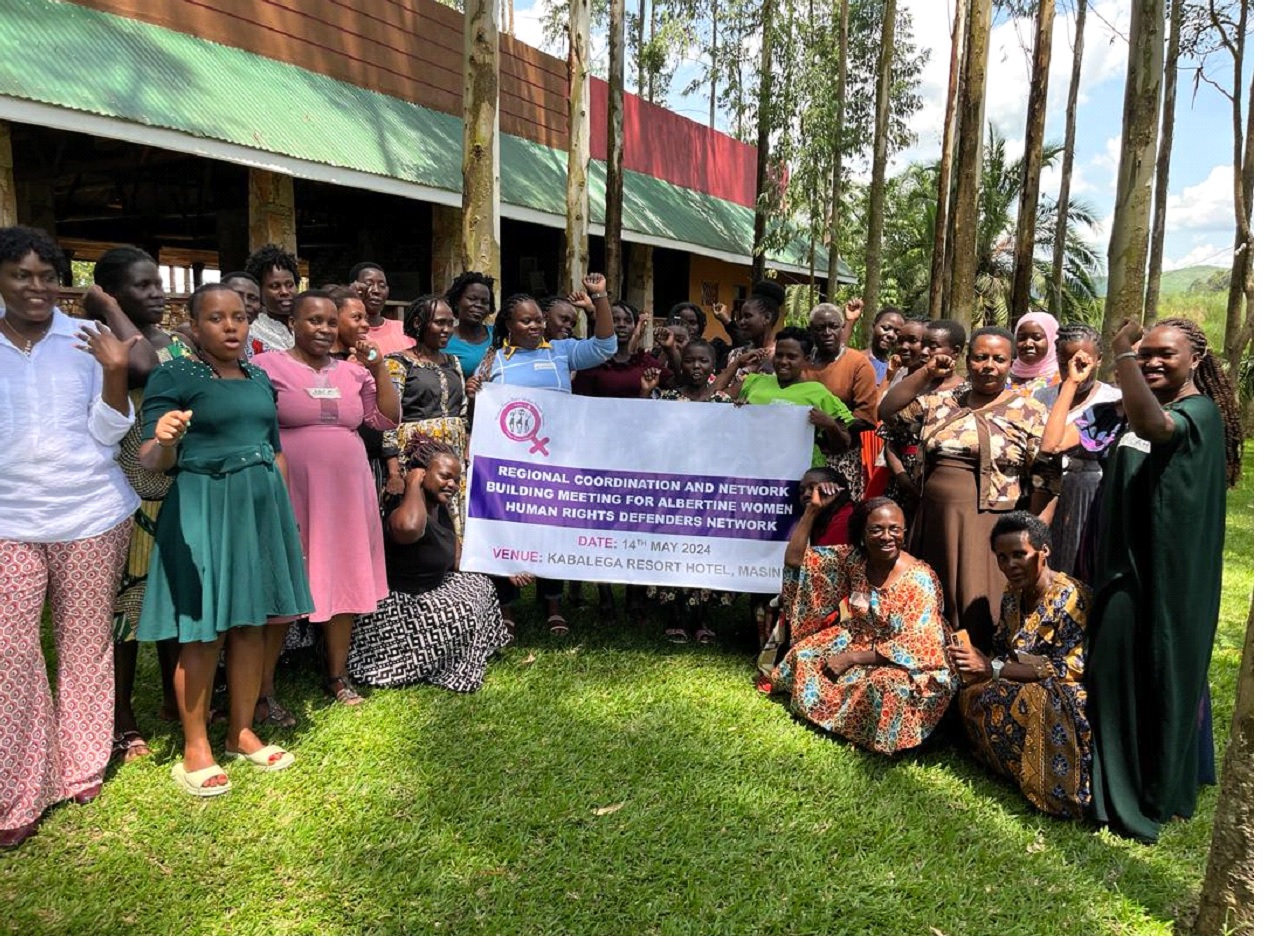
On May 14, 2024, a pivotal regional coordination meeting was held in Masindi district, where 28 Women Human Rights Defenders (WHRDs) from the Albertine region gathered to enhance their skills in identifying and mitigating the risks they face in their vital work. This event, organized by the Women Human Rights Defenders Network Uganda (WHRDN-U), provided these activists with the knowledge to protect themselves from both online and offline threats, empowering them to continue their work with greater security.

The meeting highlighted the numerous challenges these defenders face, ranging from physical threats such as raids and unlawful arrests, to online attacks like cyberbullying and doxing. Many participants shared personal experiences of intimidation and violence, underscoring the ongoing risk to their safety and well-being as they advocate for human rights. Despite the threats, the WHRDs continue to work relentlessly for justice, often at great personal cost.

This meeting not only equipped the WHRDs with practical tools for security, such as securing offices, computers, and mobile phones, but also emphasized the importance of solidarity. The defenders committed to strengthening their networks, sharing resources, and supporting each other in their fight for justice.

However, a significant challenge remains: many WHRDs do not prioritize their own protection, often focusing solely on the communities they serve. To address this, it is crucial to continue providing training on legal protections and digital security tools. As the WHRDs in Albertine region move forward, their call for ongoing capacity building and a more coordinated approach to activism remains clear.
Their resilience is commendable, and with continued support, these defenders can better safeguard their rights and continue their critical work in promoting human rights for all.
Article published by Brenda Kugonza, Executive Director of WHRDN-U.

STRENGTHENING THE SAFETY AND SOLIDARITY OF LANGO WOMEN HUMAN RIGHTS DEFENDERS

STRENGTHENING THE SAFETY AND SOLIDARITY OF LANGO WOMEN HUMAN RIGHTS DEFENDERS

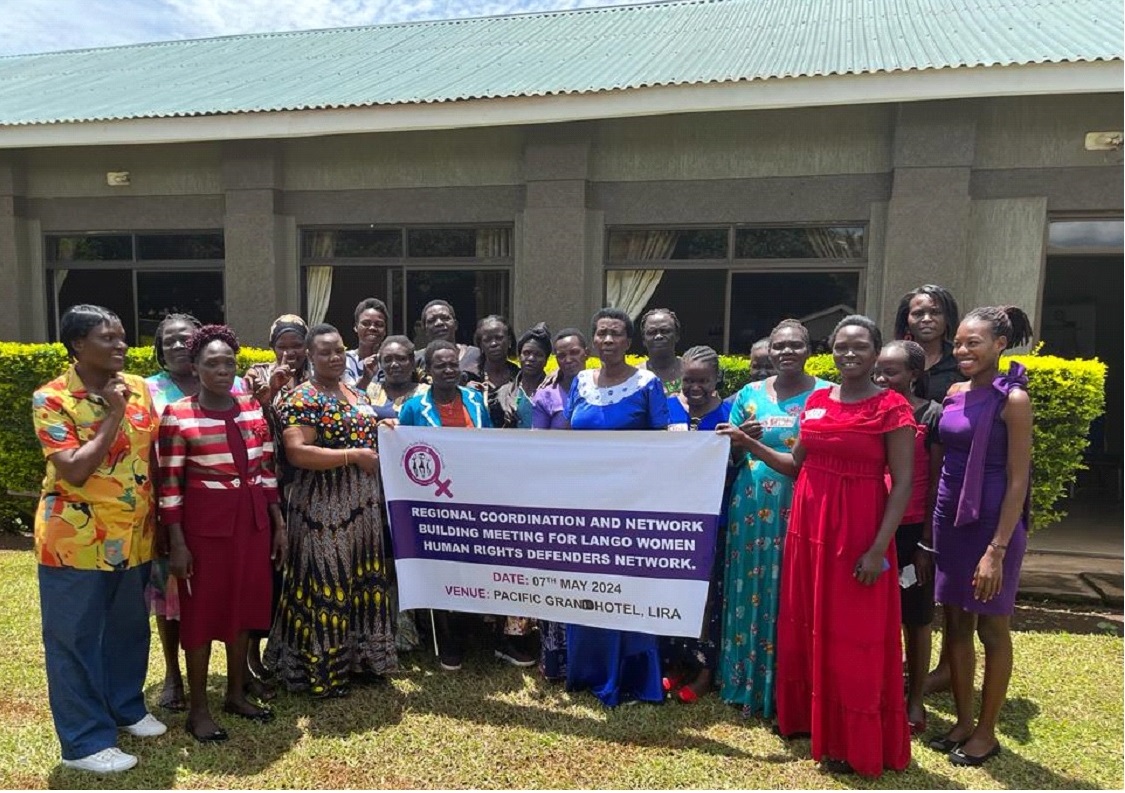
The recent regional coordination meeting for Women Human Rights Defenders (WHRDs) in Lango marked a significant step in empowering women defenders to navigate and overcome the challenges they face in their vital work. Organized by the Women Human Rights Defenders Network-Uganda (WHRDN-U) and held at Pacific Grand Hotel in Lira district, the one-day gathering provided a safe and collaborative space for 19 women defenders from the Lango region.

The meeting aimed to enhance the capacity of WHRDs to identify and mitigate the growing threats they encounter both online and offline. Through insightful training on digital and physical security, participants gained practical skills to protect themselves, their families, and their workspaces. The sessions also emphasized effective documentation of human rights violations and explored ways to foster greater solidarity within the Lango WHRDs network.

One of the key highlights of the meeting was the session on identifying online and offline threats. Women defenders revealed the alarming range of risks they face, including cyberbullying, smear campaigns, online shaming, and hacking of digital platforms. Offline threats were equally concerning, with reports of physical surveillance, threats of arrests, attacks on homes and offices, and public defamation. These experiences underscore the urgent need for more robust protection mechanisms for WHRDs.
To respond to these threats, participants were equipped with vital knowledge on physical and digital security. Training sessions focused on home, office, and mobile phone security, as well as safeguarding computer systems. WHRDs were taught how to secure access to their devices, protect sensitive information, and use security tools to shield themselves from both physical and cyber threats. The emphasis on practical, hands-on skills allowed participants to develop personalized security plans that can be implemented in their daily lives.

Another key session on human rights documentation equipped WHRDs with the skills to record and report incidents of violence accurately. Participants practiced filling out incident forms using real-life scenarios, which enhanced their capacity to seek justice and demand accountability for violations against WHRDs.
Beyond the skills-building sessions, the meeting also strengthened solidarity among WHRDs in Lango. The network emphasized the importance of coordination and collective advocacy. Participants committed to enhancing their support for one another through relationship-building, joint advocacy, and shared resources. Such collaboration will be critical in sustaining the momentum generated by the training.
The meeting’s successes were evident in the active participation and commitment of all 21 attendees. The knowledge and skills acquired are expected to have a lasting impact, enabling WHRDs to navigate risks and continue their essential human rights work more safely and effectively.
However, challenges persist. Deep-rooted societal attitudes, limited resources, and systemic barriers continue to hinder the work of WHRDs in Lango. Overcoming these barriers will require sustained awareness-raising, strengthened partnerships with law enforcement, and continued mentorship and training for WHRDs.
WHRDN-U remains committed to supporting the defenders in Lango. Moving forward, the organization will facilitate follow-up initiatives to ensure the commitments made during the meeting are realized. Through continued capacity-building and solidarity, WHRDs will be better positioned to overcome threats and champion human rights for all.