Bundibugyo District | 7 August 2026
For Indigenous communities, forests are more than places to conserve. They are connected to history, culture, livelihoods, identity and generations of knowledge.
But as conservation and tourism continue to shape how natural resources are managed, Indigenous women are asking an important question: How can they have a meaningful voice in decisions affecting their communities, culture and natural heritage?
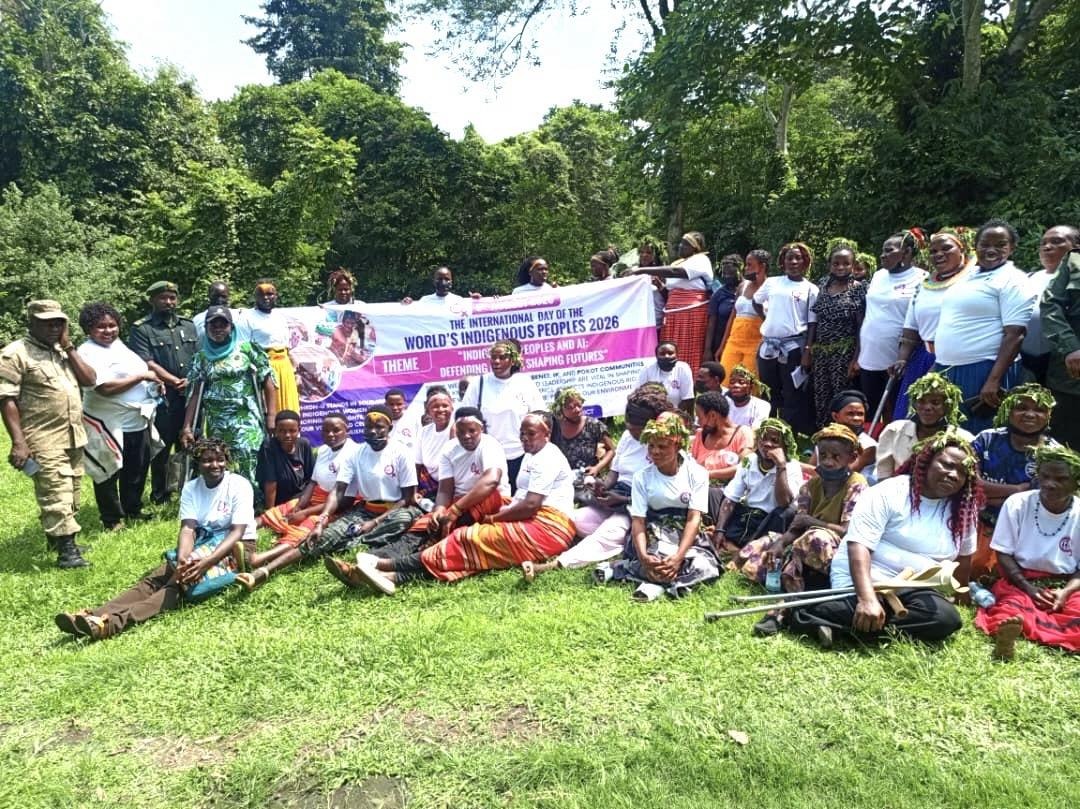
This question took centre stage on 7 August 2026 when the Women Human Rights Defenders Network Uganda (WHRDN-U) brought together 22 representatives of Indigenous communities and women human rights defenders from across Uganda for a commemoration of the International Day of the World’s Indigenous Peoples at the Uganda Wildlife Authority (UWA) offices in Semliki, Bundibugyo. Representatives from the Batwa, Ik, Pokot and Benet communities participated alongside UWA officials.
Moving Beyond Celebration
The gathering provided more than an opportunity to celebrate Indigenous culture. It created a space for Indigenous women to share experiences and engage directly with UWA on issues affecting their communities.
Opening the engagement, WHRDN-U Team Leader Brenda Kugonza emphasised that recognising Indigenous culture should go beyond commemorating it on a single day. She called for Indigenous knowledge, culture and relationships with nature to be recognised and protected, while ensuring that conservation and the rights and dignity of Indigenous communities are treated as complementary.

The Batwa’s long-standing relationship with forests such as Bwindi and Semliki was central to the discussion. Their stories, language, traditional knowledge and cultural practices, participants noted, can also contribute to conservation, education and tourism.
Indigenous Women Ask the Difficult Questions
The strongest moments came as women human rights defenders engaged UWA directly.
Alice Nyamihanda from Kisoro asked about support for Batwa women to document and preserve traditional ecological knowledge. UWA shared that a book documenting Batwa cultural practices, traditional knowledge and herbal medicines had been developed and was awaiting translation into the Lutwa language, subject to the necessary permissions.
The discussion highlighted an important principle: preserving Indigenous knowledge must not mean taking ownership of it. Indigenous communities should have a meaningful say in how their knowledge is documented, represented and shared.
Auma Maureen from Kasese asked whether Batwa women could participate as conservation guides and cultural educators.
While UWA explained that formal qualifications can limit access to some positions, the discussion opened up another possibility: recognising the knowledge Indigenous women already possess as an asset. Their oral histories, understanding of nature and cultural knowledge can provide a valuable foundation for roles in cultural tourism and conservation education.
Viola Kusuro from the Benet community also asked about Indigenous representation in UWA conservation structures, while Mulhambira Dinah from Kasese raised questions about tourism enterprises and whether communities would benefit from tourism and park revenues.
From Participation to Meaningful Benefit
UWA shared several initiatives aimed at supporting community participation, including livelihood training, provision of 60 beehives to the Batwa on a trial basis, and the Batwa Trail, which provides an opportunity for members of the community to share their history and culture with visitors.

A visitor and exhibition centre was also under construction with support from the World Bank, with plans for it to showcase Batwa cultural materials, crafts and traditional knowledge.
For Indigenous communities, however, participation must mean more than being included in programmes.
It must also involve ownership, decision-making and tangible benefits from opportunities connected to their culture and natural heritage.
This was reflected in discussions around proposals for tourism and park revenue to benefit the Batwa community and the need to ensure that Indigenous people have a meaningful role in determining how their culture is presented to visitors.
Building Solidarity Across Indigenous Communities
Bringing together representatives of the Batwa, Benet, Ik and Pokot communities also created an opportunity to recognise shared concerns around cultural preservation, livelihoods, participation and access to opportunities.
For the women human rights defenders involved, the engagement strengthened connections between Indigenous communities and created a foundation for continued learning and collective advocacy.
WHRDN-U will continue engaging UWA on issues raised during the meeting, including opportunities for Indigenous participation in tourism and conservation and proposed revenue-sharing arrangements. The Network will also strengthen connections among Indigenous women defenders from the different communities.
The gathering offered a simple but important reminder: Indigenous women should not only be represented in conversations about their communities they should help shape those conversations.
Their knowledge, culture and leadership are not obstacles to conservation. They are part of what makes conservation meaningful and sustainable.