Women Human Rights Defenders Network Uganda (WHRDN-U)
Dear Partners, Allies, and Friends,
Warm greetings from the Women Human Rights Defenders Network Uganda (WHRDN-U)!
We’re excited to share highlights from our activities and progress during the first quarter (January to March) 2025.Thanks to your continued solidarity and support, we’ve made meaningful strides in creating safe spaces, amplifying voices, building capacity, and advancing protection for Women Human Rights Defenders (WHRDs) across Uganda.
1. Creating Safe Spaces for Marginalised Voices (WHRDs)
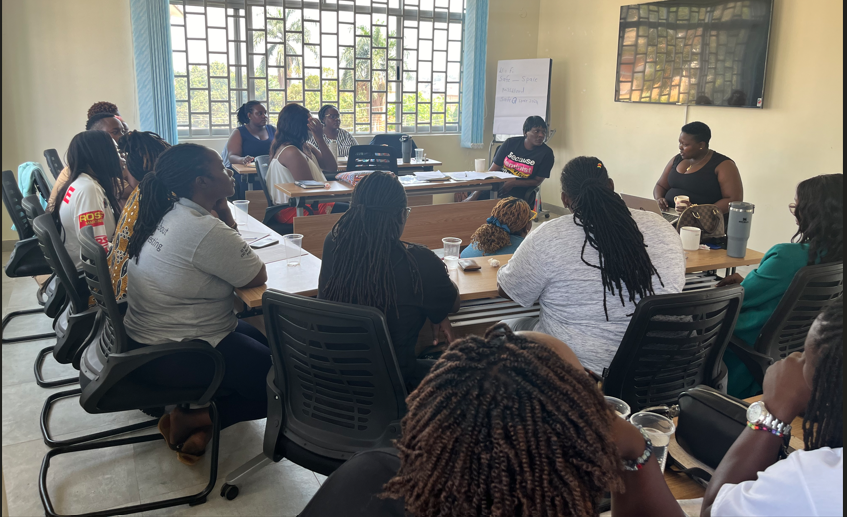
On January 21st, 2025, with support from the Global Fund for Women, we convened a workshop for Women Human Rights Defenders at the HRAPF Community Center. This session offered a safe haven for WHRDs to share their experiences, tackling issues like discrimination, violence, and exclusion. Counsel Justine of HRAPF provided practical strategies for crisis management and resilience, while participants united to advocate for mental health support, relocation resources, and economic empowerment. Together, we reaffirmed our resolve to build stronger solidarity networks and inclusive advocacy platforms.
2. Celebrating Women Human Rights Defenders – Dynamic International Women’s Day Campaign
On March 8th, WHRDN-U commemorated International Women’s Day (#IWD2025) through an engaging social media campaign celebrating the courage and contributions of WHRDs across the country. With over 2,000 views and active engagement on Facebook https://www.facebook.com/WHRDNU and Twitter X https://x.com/WHRDNU, we amplified the voices of WHRDs advocating for gender equality and social justice. https://x.com/whrdnu/status/1897809062948966490?s=46. With over 2,000 views, the campaign raised awareness on the importance of protecting WHRDs and inspired public support for their work.
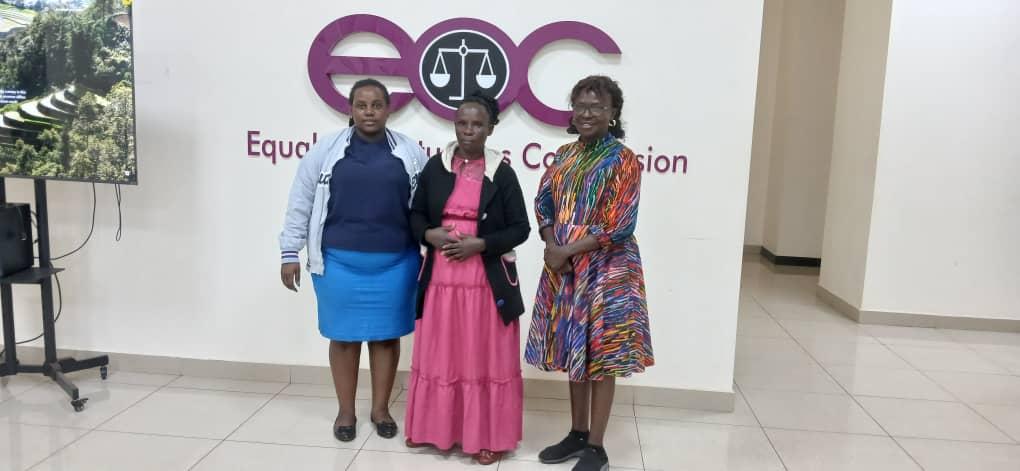
During Women’s Week, WHRDN-U also mobilized WHRDs from different regions to meet with the Equal Opportunities Commission and Uganda Human Rights Commissionhttps://x.com/WHRDNU/status/1898014642632270168, strengthening their knowledge of how to access protection and support through national mechanisms, creating opportunities for dialogue and safeguarding advocacy efforts.https://x.com/WHRDNU/status/1898016033631355177.
3. Capacity Building for Regional Protection Networks
From March 5th to 7th, with support from Kvinna Till Kvinna, WHRDN-U hosted a three-day workshop at Esella Country Hotel LTD, uniting 25 WHRDs from Uganda’s Eastern and West Nile regions. The event enhanced advocacy techniques, strengthened reporting skills, and fostered alliance-building. Through interactive sessions on risk assessment, wellness, and protection mechanisms, participants developed actionable plans to combat violence and human rights violations and renewed energy to confront growing threats with courage and collaboration.
4. Strengthening Resilience for LBQT WHRDs
On March 4th, WHRDN-U, in partnership with Defend Defenders and the Royal Danish Embassy in Uganda, held a timely convening at HRAPF offices on “Understanding the Cost of Activism and Strengthening Digital Resilience.” Twenty-one Structually marginalised WHRDs explored strategies to safeguard their digital presence, cope with online threats, and sustain their activism amid growing hostility. Led by facilitators from HRAPF and HER Internet, the session emphasized the need for economic security and stronger support systems.
5. Global Advocacy at CSW69
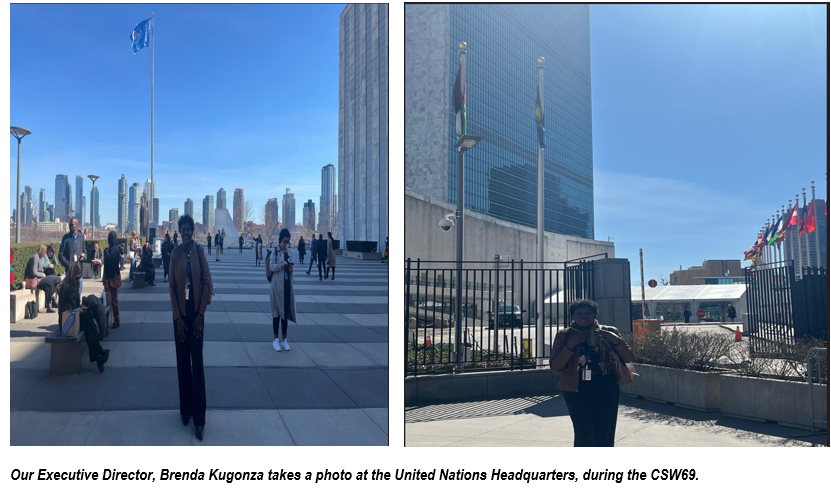
WHRDN-U had the honor of participating in the 69th Commission on the Status of Women (CSW69) in New York. At a side event hosted by UAF-Africa, we presented our Assessment Report on Violence against WHRDs, drawing attention to the risks defenders face in Uganda and across the region. Through strategic engagements with global partners and policymakers, we echoed the urgent need for protection and policy reforms to safeguard WHRDs everywhere. For reference view icon report below:
6. Documenting and Supporting Cases
Between January and March 2025, WHRDN-U documented 17 cases of violence, threats, and risks faced by WHRDs across Uganda. Three cases received direct support, including psychosocial assistance, referrals, and emergency response. These interventions underscore the importance of timely and coordinated action to protect WHRDs. For instance, we documented a caseOn 9 January 2025, human rights activist and lawyer Agather Atuhaire, along with six other activists, were arrested in Kampala while attempting to march to the Supreme Court. The protest sought to draw attention to the prolonged detention of civilians in military courts and the judiciary’s delay in ruling on the jurisdiction of military courts over civilians. The group was detained at Kampala Central Police Station and charged with common nuisance. https://www.monitor.co.ug/uganda/news/national/journalist-agather-atuhaire-arrested-4883280
7. Strengthening Governance and Accountability
On March 29th, WHRDN-U held a Board of Directors meeting, where the annual work plan, budget, and audit report were reviewed and approved, thus ensuring strong governance and transparency for the year ahead. See photo below during Board of Directors meeting.
As we look ahead, we remain inspired by the strength, courage, and solidarity of women defenders across Uganda. Together, we are building a safer, more just society where all women can defend rights without fear.
Women Human Rights Defenders Network Uganda (WHRDN-U)
Dear Partners, Allies, and Friends,
Warm greetings from the Women Human Rights Defenders Network Uganda (WHRDN-U)!
We are pleased to share with you the key highlights from our activities and achievements during the second quarter of 2025 (April to June). We also take this opportunity to reflect on the current situation in which Women Human Rights Defenders (WHRDs) continue to operate in Uganda. Your continued solidarity and support have enabled us to make progress in creating safe spaces, amplifying voices, building capacity, and promoting the protection of WHRDs across the country.
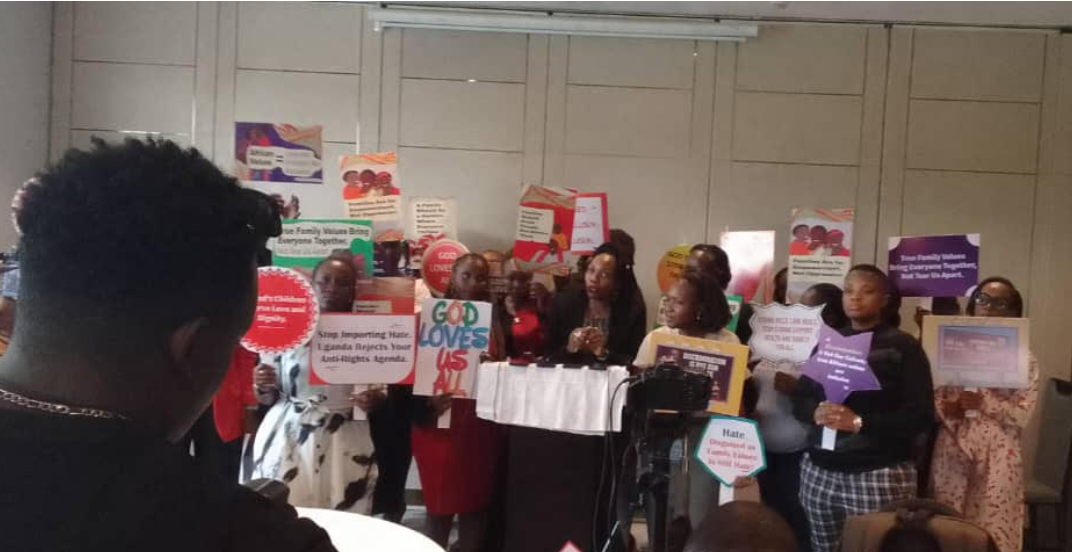
WHRDN-U, in partnership with other feminist organizations, held a press conference during the Pan-African Conference on Family Values. We urged legislators participating in the Inter-Parliamentary Conference on Family Values and National Sovereignty to adopt recommendations that support women and girls in families. https://x.com/womenprobono/status/1920769074172215755?s=48
WHRDN-U, together with the Tanzanian Coalition for Women Human Rights Defenders, the Kenya Women Human Rights Defenders Hub, and the International Coalition for Women Human Rights Defenders, issued a joint statement titled “Defending Solidarity, Safety, and Democracy in East Africa.” https://x.com/whrdnu/status/1927379099862868339?s=12
On June 19, 2025, WHRDN-U , participated in a discussion hosted by the French Embassy in Uganda on gender equality, women’s empowerment, and feminist policies. She shared WHRDN-U’s insights and contributions on advancing feminist values. https://x.com/WHRDNU/status/1935694271115600041?t=xybLcLXq52uEwFbYl_U2jA&s=08
WHRDN-U recently facilitated self-care, collective care, and healing sessions in Kampala for WHRDs. These gatherings provided space for emotional support and solidarity, recognizing that caring for defenders is essential to the work of defending rights. https://x.com/whrdnu/status/1935461960893546720?s=51
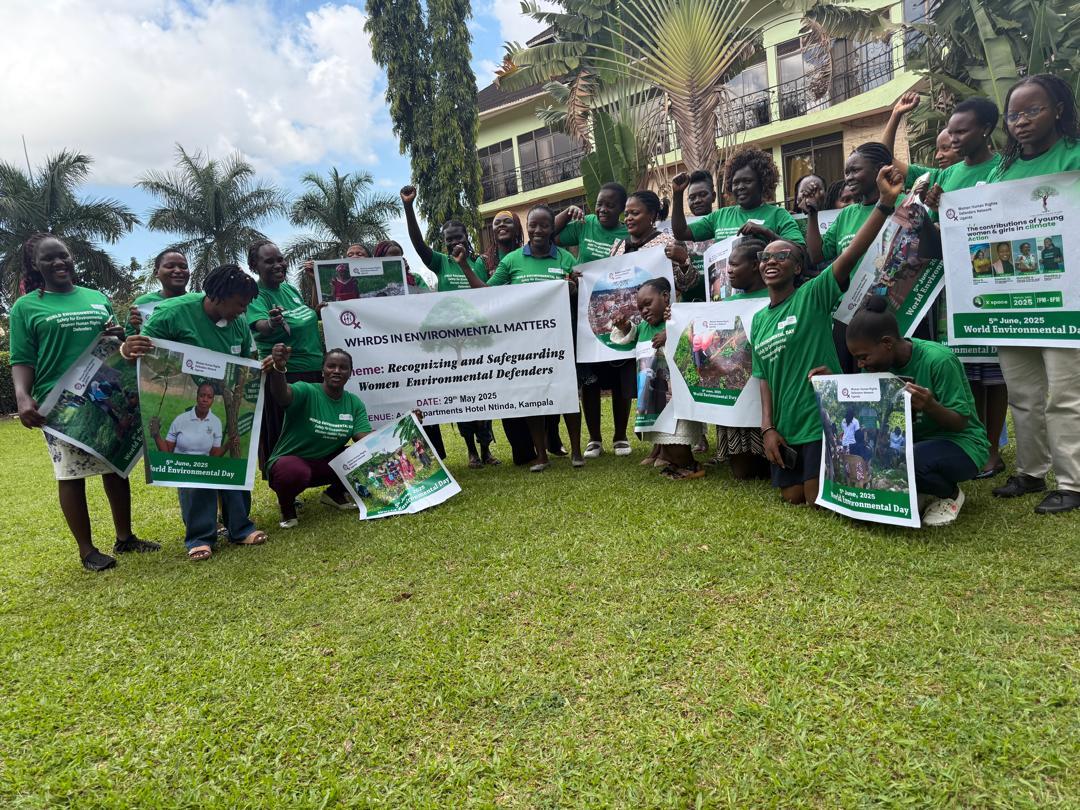
On World Environment Day, WHRDN-U partnered with the National Environmental Management Authority and the Uganda Human Rights Commission to host a training session for Environmental WHRDs. The session focused on laws that protect them in their climate justice efforts. https://x.com/whrdnu/status/1930072552358952997?s=12
On May 23, 2025, WHRDN-U participated in the 27th Annual Uganda Human Rights Commission event. The Commission’s report officially included key recommendations from our 2024 assessment on violence against WHRDs. https://x.com/whrdnu/status/1926981386423939117?s=51
With support from UAF-Africa, WHRDN-U took part in the 2025 Global Convening on WHRDs’ Crisis and Care held in Brazil. This event brought together global feminists, activists, and donors to share experiences and strategies. https://x.com/whrdnu/status/1924038345719505211?s=51
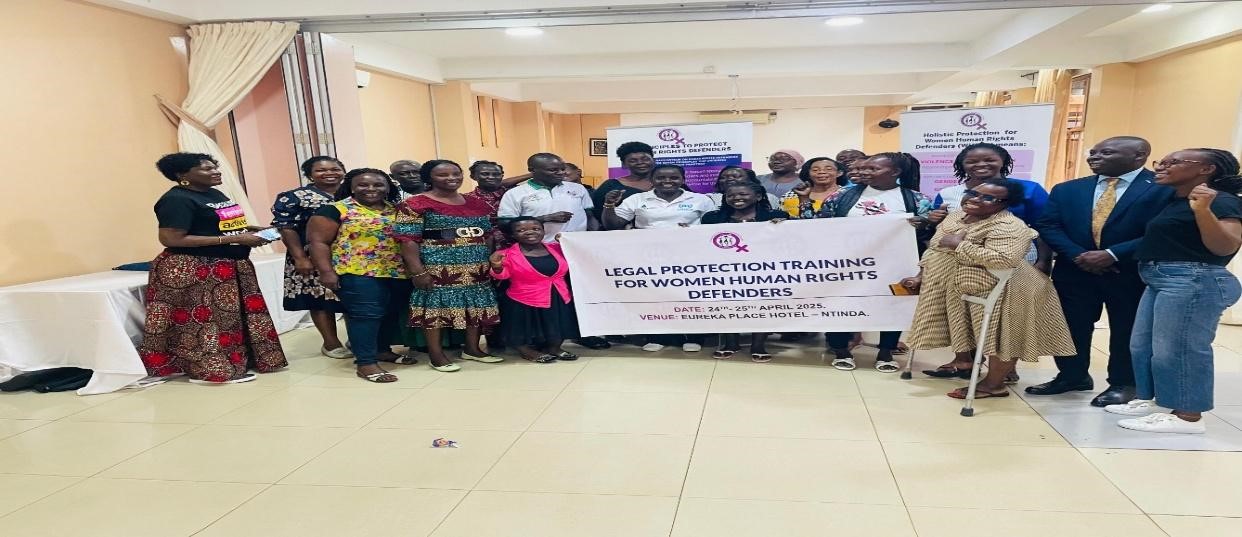
WHRDN-U organized a two-day legal compliance training on April 24–25, 2025 at Eureka Hotel. The training equipped WHRDs with legal knowledge to counter growing restrictions and understand compliance requirements. https://x.com/whrdnu/status/1915848810800287946?s=12
From April 2–4, 2025, WHRDN-U held a residential workshop at Esella Hotel with WHRDs from the Acholi and Rwenzori subregions. The workshop focused on reviewing violations, reflecting on their working environment, and developing strategies to reduce risks in their human rights work. https://x.com/whrdnu/status/1908393238588694529?s=51
WHRDN-U held a three-day regional residential capacity-building workshop from June 18–20, 2025, at Esella Country Hotel in Kira. The workshop brought together 25 WHRDs from the Karamoja and Albertine regions. It aimed to strengthen their protection strategies and advocacy efforts through shared learning and skills development.
12. Report from WHRDNU’s registry Database of attacks against WHRD data base
According to quarter one (January to March 2025, our report presents an analysis of cases recorded from the WHRDN-U’s Registry of Attacks against WHRDs. A Total cases documented were 18 and these cases involved various forms of violations against Women Human Rights Defenders. A line graph illustrates the number and types of reported violations experienced by WHRDs.
A second graph categorizes the incidents by types of perpetrators, offering insights into the sources of attacks.
The second quarter’s report covers cases documented between April and June 2025.Total cases documented were 15, 5 WHRDs received Emergency Protection Support, and 10 WHRDs received psychosocial support, coordinated through WHRDN-U and peer WHRDs
A pie chart shows the distribution of the human rights work of the affected WHRDs: GBV Activism – 23.1%, Child Rights – 15.4%, Sexual Minority Rights – 15.4%,Economic Rights – 15.4%,Female Journalists – 7.7%,LBQTI Rights – 7.7%,Environmental Rights – 7.7%, and Women’s Rights Activism – 7.7%
A bar graph displays the types and frequency of human rights violations reported.
Compiled by: Brenda Kugonza, Executive Director, WHRDN-U Date: March 25, 2025
Introduction
The Women Human Rights Defenders Network-Uganda (WHRDN-U) actively participated in the 69th session of the Commission on the Status of Women (CSW69) held in New York, USA, in March 2025. Our engagement at CSW69 provided a strategic platform to highlight the threats, challenges, and resilience of Women Human Rights Defenders (WHRDs) in Uganda and across Africa.
Key Highlights of WHRDN-U Participation
1. Panel Discussion on Registering and Monitoring Attacks against WHRDs in Africa
WHRDN-U took part in a high-level panel discussion during a side event organized by UAF-Africa https://x.com/whrdnu/status/1899545949350859128?s=46. The session focused on the critical task of registering and documenting attacks against WHRDs in Africa. Discussions covered:
The democracy crisis in Uganda, its historical and structural causes.
WHRDN-U’s Assessment Report: Challenges WHRDs face due to escalating repression, gender-based discrimination, and shrinking civic space.
Strategies of resilience, including legal advocacy, mental health support, and alliance-building.
A call for donor support to prevent further harm and amplify activist-led initiatives for sustainable change.
During this panel, WHRDN-U presented the newly published Assessment Report on Violence Against Women Human Rights Defenders in Uganda https://www.whrdnuganda.org/assessment-report-on-violence-against-women-human-rights-defenders-in-uganda/., disseminating key findings to donors, policymakers, and leaders of women’s rights organizations. Policy briefs summarizing key insights from the report were shared to enhance awareness and advocacy.
We fostered high level of recognition and awareness about the important work of WHRDs, the threats and challenges faced by WHRDs. For instance we share policy briefs titled ‘Violence Against WHRDs: Seeking Protection’
2. Targeted Meetings with Strategic Partners and Allies
WHRDN-U held targeted meetings where the Executive Director, Brenda Kugonza scheduled side meetings and one-on-one meetings with strategic partners and allies. During these engagements, she disseminated assessment reports and policy briefs, ensuring that WHRD issues remained at the forefront of discussions.
3. Engagements with the Consortium for East African WHRD Protection Networks
WHRDN-U joined forces with regional partners:
Hilda (Tanzania Coalition for WHRDs)
Salome (Kenyan WHRD Hub)
Brenda Kugonza (WHRDN-Uganda)
Together, we reinforced collective efforts to advocate for WHRD protection in East Africa. This collaboration strengthened the regional advocacy agenda and created opportunities for cross-border solidarity.
3. Participation in FIDA Uganda Side Event
WHRDN-U was invited to a side event hosted by FIDA Uganda at CSW69. This engagement allowed interaction with key policymakers, including Hon. Betty Amongi, Minister of Gender, Labour and Social Development (MGLSD), Uganda. Discussions assessed the effectiveness of poverty alleviation initiatives such as the GROW and Parish Development Model (PDM) and their impact on women’s empowerment.
4. WHRD International Coalition Anniversary Event
WHRDN-U also participated in the Women Human Rights Defenders International Coalition Anniversary to demonstrate solidarity in challenging times. This event reinforced global networks supporting WHRDs and provided a space to share experiences and strategies for collective action.
Key lessons learnt
Side events hosted by like-minded partners highlighted key findings, recommendations and generated commitments.
Targeted briefing meetings provided tailored insights from the report
The use of policy briefs as fact sheets summarized key findings that guided discussions and ensure accessibility
Printing and distributing physical copies of the policy briefs to key stakeholders attending CSW sessions and parallel events
Way forward and recommendation
CSW provides a rare opportunity to engage policymakers and duty bearers who may otherwise be difficult to access due to political sensitivities back home.
Leveraging CSW for Strategic Policy Engagement & Advocacy
1. Direct Access to Policymakers & Duty Bearers
• CSW provides a neutral and international space where policymakers feel more open to engaging with WHRDs without fear of local political repercussions.
• We should prioritize closed-door engagements where policymakers can candidly discuss social justice issues and explore collaborative strategies.
• Organize policy dialogue sessions where we present the report and discuss actionable recommendations tailored to their interests.
2. Strategic Use of Allies to Push Difficult Conversations
• In situations where direct engagement with policymakers is challenging, we will mobilize allies and friendly international partners to raise tough questions on our behalf.
• Coordinate with development partners and feminist allies to ensure that WHRDs’ issues remain on the agenda in high-level sessions, even when we are not physically in the room.
• Identify key moments in CSW events where duty bearers are speaking and prepare strategic interventions that highlight WHRD challenges.
3. Development Partners Should Invest in This Advocacy Approach
• Given the unique opportunity that CSW presents, donors and partners should recognize the value of this space in advancing policy influence and commit resources to support advocacy efforts at such international platforms.
• Encourage funders to allocate funding for sustained follow-up engagement after CSW to ensure that commitments made in New York translate into action at home.
4. Maximizing CSW as a Platform for Policy Influence
• CSW should not just be an event for participation but a deliberate advocacy space to advance WHRDs’ protection and policy demands.
• Track policymakers’ responses and commitments during CSW engagements and use this data to hold them accountable post-CSW.
Conclusion
WHRDN-U’s participation in CSW69 was a significant opportunity to elevate the visibility of WHRDs, highlight pressing challenges, and advance advocacy efforts on a global stage. By fostering collaborations, disseminating critical findings, and engaging policymakers, WHRDN-U strengthened its position as a key actor in the protection of WHRDs. Moving forward, we will continue leveraging international spaces like CSW to amplify our advocacy and push for meaningful policy reforms.
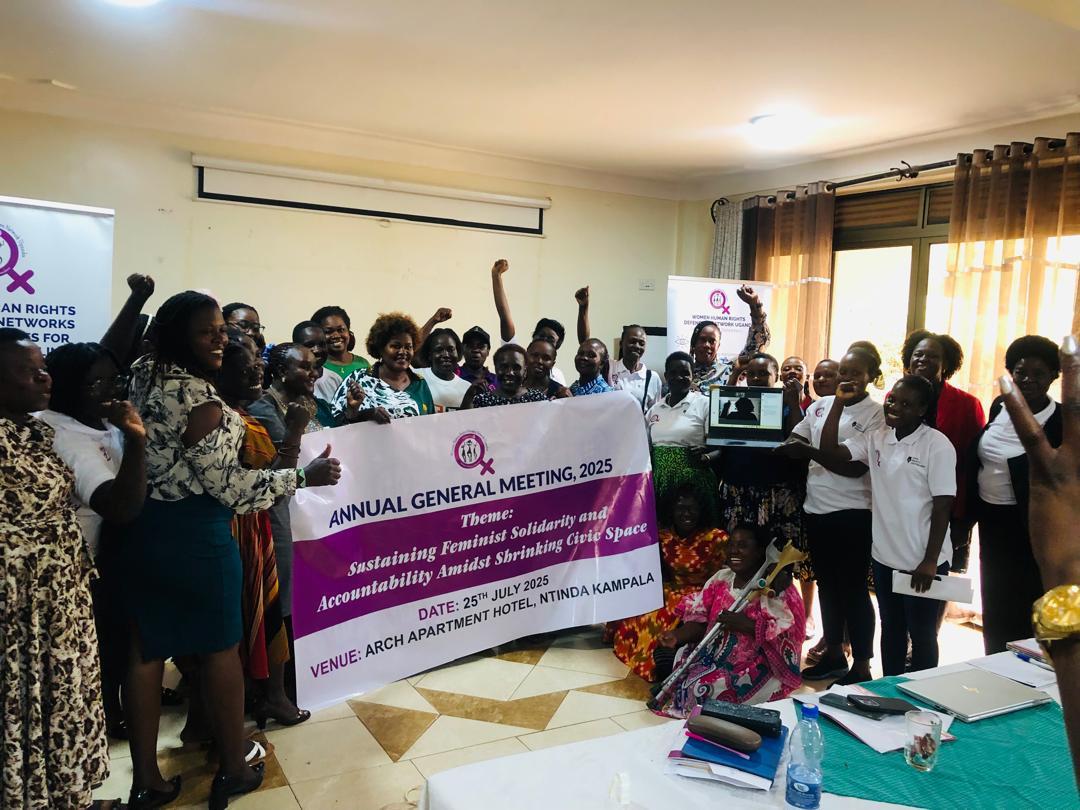
Kampala, Uganda – The Women’s Human Rights Defenders Network Uganda (WHRDN-U) successfully held its 7th Annual General Meeting on Friday, July 25th, 2025, at the prestigious Arch Apartments and Hotel in Ntinda, Kampala.
The meeting brought together members from across the network to review the organization’s progress, discuss key achievements, and chart the path forward for women’s human rights advocacy in Uganda.
Meeting Highlights
The comprehensive agenda covered crucial organizational matters, beginning with an opening prayer that set a reflective tone for the proceedings. Members received communications from the Chairperson, providing strategic direction and updates on the network’s activities.
Key presentations during the meeting included:
Board Chairperson’s Report: A detailed overview of the network’s activities and strategic initiatives throughout the year
Treasurer’s Financial Report: Comprehensive financial statements for the year ending December 31st, 2024
Audited Accounts Presentation: Independent audit results ensuring transparency and accountability in financial management
Annual Narrative Report 2024: A thorough review of programs, achievements, and impact made by the network
The meeting also included a review of previous meeting minutes, ensuring continuity and follow-through on previously agreed actions. An “Any Other Business” session provided members with an opportunity to raise additional concerns and suggestions.
Strengthening the Network
The 7th AGM represents a significant milestone for WHRDN-U, demonstrating the organization’s commitment to democratic governance and member participation. The meeting provided a platform for members to engage in meaningful dialogue about the challenges facing women human rights defenders in Uganda and strategies to address them.
The diverse attendance reflected the network’s broad reach and the strong commitment of its members to advancing women’s rights and gender equality across Uganda. The professional venue at Arch Apartments and Hotel provided an conducive environment for productive discussions and networking among participants.
Looking Forward
The successful completion of the 7th Annual General Meeting positions WHRDN-U to continue its vital work in 2025 and beyond. With transparent financial reporting, clear strategic direction from leadership, and strong member engagement, the network is well-positioned to advance its mission of protecting and promoting women’s human rights in Uganda.
The meeting concluded with renewed commitment from all members to support the network’s objectives and work collaboratively toward creating a safer environment for women human rights defenders across the country.
The Women’s Human Rights Defenders Network Uganda (WHRDN-U) continues to be a leading voice in advocating for women’s rights and supporting female human rights defenders throughout Uganda. For more information about WHRDN-U’s work and upcoming activities, visit our website or contact us directly.
Group photo for the members of the Annual General Meeting taken on 25th July 2025 at Arch Apartments and Hotel.
Photo Caption: Members of WHRDN-U gathered for the 7th Annual General Meeting at Arch Apartments and Hotel, Ntinda, Kampala on July 25th, 2025, demonstrating strong participation and commitment to the network’s mission.
In Uganda, Women Environmental Defenders (WEDs) are at the frontline of protecting forests, wetlands, water sources, and land, especially in rural and indigenous communities. Despite their critical role in promoting ecological justice and sustainable development, WEDs often operate in high-risk environments, facing threats such as gender-based violence, criminalization, marginalization, and lack of recognition.
To honour their work and amplify their voices during the World Environment Day celebrations, the Women Human Rights Defenders Network Uganda (WHRDN-U) conducted a one-day convening to reflect, connect, share experiences, and strengthen collective strategies for protection and advocacy. The convening brought together 22 Women Environmental Human Rights Defenders from across all regions which took place at Arch Apartments Hotel in Ntinda.
Understanding the Work of Environmental Women Human Rights Defenders
Brenda in her opening remarks shared that the women are educated. She welcomed all the protocol, including the Batwa, and emphasized that the WEHRDs are not idle they are working so hard. Due to their work, many have been isolated in their different regions, to the extent that many have been attacked and arrested.
She also noted that they have been targeted due to their efforts to prevent wetland degradation.
Understanding the Laws that Protect Environmental Women Human Rights Defenders (How to Conserve the Environment – Legal Frameworks)- Facilited by Eunice Asinguza from NEMA.
Eunice began her presentation by explaining different Legal frameworks that Protect the Environmental Women Human Rights Defenders in the country.
National Environment Act (2019)
This Act provides the legal framework for environmental management in Uganda. Key Functions:
Establishes the National Environment Management Authority (NEMA) as the lead agency.
Regulates environmental impact assessments (EIAs) before any project is approved.
Promotes sustainable development and pollution control.
Provides for community participation in environmental decision-making.
Mandates environmental audits, compliance monitoring, and enforcement mechanisms.
Water Act (Cap. 152)
This Act governs the use, management, and protection of water resources. Key Functions:
Regulates water abstraction, usage, and discharge through permits.
Protects public water sources and promotes equitable access.
Empowers the Ministry of Water and Environment to monitor water quality.
Encourages conservation and sustainable use of water bodies.
Criminalizes pollution of water bodies.
The Land Act (Cap. 227)
Provides for the ownership, tenure, and management of land. Key Functions:
Recognizes four types of land tenure: customary, freehold, mailo, and leasehold.
Protects tenants and land users, including women and marginalized groups.
Empowers District Land Boards and Area Land Committees to manage land rights.
Guides land use planning to ensure sustainable environmental practices.
Requires landowners to maintain environmental safeguards on their land
Wildlife Act (2019)
Provides for the protection and sustainable management of wildlife and habitats. Key Functions:
Establishes the Uganda Wildlife Authority (UWA).
Regulates conservation areas, including national parks and game reserves.
Penalizes illegal hunting, trafficking, and destruction of wildlife habitats.
Promotes community wildlife conservation and benefit-sharing.
National Forestry and Tree Planting Act (2003)
Governs the sustainable management of forests and promotes tree planting. Key Functions:
Provides for the management of both central and local forest reserves.
Encourages private and community tree planting.
Penalizes illegal logging and forest encroachment.
Establishes forest management plans and forest user groups.
Assigns responsibilities to the National Forestry Authority (NFA).
National Climate Change Policy (2015)
Provides strategic guidance for addressing climate change impacts in Uganda. Key Functions:
Guides integration of climate change into sectoral and district planning.
Promotes resilience and adaptation measures (e.g., drought-resistant agriculture).
Encourages low-carbon development strategies.
Supports community awareness and disaster preparedness.
Guides government on accessing climate finance (e.g., Green Climate Fund).
Gender Policy (2007)
Promotes gender equality and integration of gender perspectives into development. Key Functions:
Ensures that environmental policies and projects consider the needs of women and men equally.
Encourages women’s participation in environmental governance.
Provides a framework for gender-responsive budgeting and programming.
Addresses gender-based barriers to resource access and decision-making.
Land Policy (2013)
Guides equitable access, ownership, and use of land resources. Key Functions:
Aims to strengthen land rights, especially for women, indigenous communities, and pastoralists.
Promotes environmental sustainability through integrated land use planning.
Encourages land dispute resolution through community structures.
Supports decentralization of land governance.
Aims to reduce land degradation and promote conservation.
National Wetlands Policy (1995)
Provides a framework for the conservation and sustainable use of wetlands. Key Functions:
Protects wetlands from encroachment, drainage, and pollution.
Promotes wise use of wetlands for sustainable livelihoods (e.g., papyrus harvesting).
Empowers local governments and communities to manage wetland resources.
Prohibits issuance of land titles in wetlands.
Encourages restoration of degraded wetlands.
Wildlife Policy (2014)
Sets the strategic direction for wildlife conservation and management. Key Functions:
Focuses on sustainable utilization of wildlife resources.
Promotes ecotourism and community involvement in conservation.
Emphasizes the protection of endangered species.
Supports education and awareness on wildlife issues.
Facilitates transboundary conservation with neighboring countries.
Forestry Policy (2001)
Provides a vision for the forest sector based on sustainable use and public participation. Key Functions:
Promotes collaborative forest management with communities and civil society.
Encourages private investment in forest development.
Guides reforestation and afforestation programs.
Supports conservation of biodiversity and critical forest ecosystems.
Aligns forest use with poverty reduction and rural development.
NEMA as well works with the Office of the President and the Ministry of Water and Environment.
Why Environment? (Reasons for Defending the Environment)
Eunice emphasized the importance of environmental protection within the context of human rights advocacy. She provided several reasons why Women Environmental Human Rights Defenders (WEHRDs) should persist in their efforts to protect the environment, summarised as follows:
Legal requirement: Environmental protection is not optional—it is a legal requirement which is in national legislation. Communities are therefore obliged to preserve natural resources in compliance with the law.
Foundation for Development: A healthy environment serves as the basis for sustainable development. Economic activities, including agriculture and tourism, depend on clean air, water, and land.
Conservation of Human Life: The facilitator highlighted the right to food as a fundamental human right. She warned that increasing use of chemicals in food production has resulted in pollution and contributed to the rise of diseases such as cancer.
Protection of Biodiversity: The degradation of ecosystems has led to the loss of medicinal plants and traditional remedies. Conservation efforts are therefore crucial for protecting both natural heritage and public health.
Climate Justice: The country is experiencing prolonged droughts, which have significantly reduced food production. Environmental defenders are at the forefront of promoting climate justice and advocating for climate resilience.
Accountability and Transparency: Eunice emphasized the need to hold both local and foreign companies accountable for environmental degradation. She referenced ongoing issues in Karamoja as an example where natural resources are being exploited without community benefit or proper regulation.
Participant’s Reflections and Concerns During the interactive session, participants shared real-life examples to reinforce the discussion:
Grace pointed out that forests serve not only as natural habitats but also as cultural and medicinal sites. She cited Kitagata Hot Springs as a historical site where communities collect herbal medicines for family healthcare.
Halima, from Katwe, expressed concern over the pollution of Lake Katwe, an important source of salt and livelihoods for the surrounding community.
Eunice also informed participants of her role as a senior negotiator on climate change and a member of the NEMA committee tasked with assessing the risks faced by WEHRDs. She shared insights into the challenges NEMA currently faces, including limited enforcement capacity and resistance from powerful stakeholders.
To support environmental sustainability, she encouraged women to actively participate in reforestation efforts, stating that “every woman should plant as many trees as the number of children she has.”
Viola raised a concern about pollution in water bodies, explaining that contamination of one lake could have downstream effects on others. She highlighted land conflicts and evictions related to sugarcane plantations and questioned the effectiveness of NEMA’s protection mechanisms for WEHRDs.
Viola Kataike also noted that some community members question the legitimacy of women defenders, challenging their authority and motives in advocating for environmental protection.
Irene, speaking about Bugoma Forest, shared that many community members fear accessing the forest due to repeated attacks and restrictions. She questioned how defenders could operate in such an environment. In response, Eunice acknowledged the challenge, noting the influence of patriarchal systems and emphasized the need for structural and legal reform.
Eunice explained that environmental management in Uganda is decentralized, operating through a digitally supported system. The framework includes coordination with:
District Environmental Officers
District Local Councillors
Environmental Committees
Sharon Ocola inquired about the existence of local ordinances and bylaws regulating environmental behavior. In response:
Akello Sarah reported that Moroto town is experiencing significant pollution, particularly with human waste in the streets.
Imalingat confirmed the existence of an ordinance in Moroto aimed at addressing open defecation and improving sanitation.
Mandate of the National Environment Management Authority (NEMA)
The facilitator concluded the session by outlining NEMA’s core mandate in environmental protection and its role in defending the rights and safety of WEHRDs. Key functions include:
Regulating, monitoring, and supervising all activities that impact the environment
Advising government on climate change policy and national environmental priorities
Referring issues to relevant lead agencies for further action
Issuing environmental compliance certificates for projects and developments
Coordinating with local communities to promote grassroots environmental stewardship
Collaborating with religious leaders to advocate against environmental degradation
Reviewing and deciding on Environmental Impact Assessments (EIAs)
Conducting environmental audits to ensure compliance
Creating awareness through education and outreach programs
Understanding Environmental Rights (Facilitated by Director Ruth Sekindi – UHRC)
Director Ruth Sekindi emphasized the linkage between human rights and environmental protection. She cited practical examples, such as the construction of factories near water bodies, which results in the dumping of waste into water sources. This contamination leads to disease outbreaks and undermines the right to a clean and healthy environment, a fundamental human right.
She further elaborated on the concept of Women Environmental Human Rights Defenders (WEHRDs), describing them as women actively engaged in defending environmental rights. She noted that these women play a critical role in climate change advocacy and environmental protection, often working under challenging conditions.
Director Ruth highlighted that the mojority of WEHRDs in Uganda are indigenous women, particularly those residing in forested areas where mineral resources have been discovered. These women are primarily located in rural communities, not urban centers, and are engaged in addressing environmental issues such as water and air pollution, deforestation, and mining activities.
She underscored that environmental rights encompass key substantive rights, including the right to food, clean water, clean air, and life itself.
Discussion on the Safety and Security of WEHRDs
Director Ruth addressed the safety concerns facing WEHRDs, noting that many of them operate in patriarchal societies where traditional norms restrict women to caregiving roles. As a result, women who step into advocacy roles especially in sectors perceived as “masculine” like environmental defense are often labelled as confrontational or rebellious.
She advised that in order to remain safe, WEHRDs must begin by understanding the environment they work in, along with their legal rights, such as the right to opinion and freedom of speech. She recommended that defenders assess risks carefully before taking any action, by researching incidents and understanding the roles of key stakeholders, including NEMA, UHRC, NGOs, and relevant government entities.
On the matter of communication, she cautioned that some platforms like WhatsApp may no longer be secure and advised the use of safer, more encrypted social media tools for communication and advocacy.
For physical safety, she encouraged WEHRDs to:
Avoid visiting high-risk areas alone.
Always stay visible, maintain a network of emergency contacts, and avoid hiding their work.
Be tactical and avoid confronting powerful figures directly.
Remain active and visible on social media, and where necessary, use anonymous accounts to raise concerns.
She emphasized the importance of setting personal boundaries and recognizing one’s worth. Irene, one of the participants, testified that she had been harassed by a government official while seeking accreditation for her work.
Sharon Ocola also shared her experience, stating that her climate activism has made her a target of both physical and online attacks, including threats and intimidation.
Director Ruth encouraged building strategic alliances with authorities and ensuring that local communities are supportive of the defenders’ work. She stressed the need to document all forms of engagement, threats, pollution incidents, and community meetings, as these records provide critical evidence for advocacy and protection.
Furthermore, she reminded participants that companies seeking to operate in their communities under the guise of development or investment must first obtain Free, Prior and Informed Consent (FPIC) from community members. The government, she added, holds the responsibility to protect its citizens from harmful practices by investors.
She recognized the defenders’ role in protecting land, wetlands, clean water sources, biodiversity, and climate justice, and reinforced that their work is both valuable and necessary.
Imalingat encouraged fellow WEHRDs to actively participate in local decision-making processes, especially meetings within their communities, to remain informed and engaged in environmental governance.
However, Jackline noted that women often face threats of demotion or intimidation when they challenge male authority in such forums, especially on issues related to environmental degradation.
Understanding the challenges and attacks faced by the Environmental Women Human Rights Defenders. The challenges were presented in Groups of 03 and inform of testimonies from the defenders during their human Rights work.
Group 01:
Physical Assaults:
Participants reported multiple cases of physical violence by law enforcement officers during peaceful environmental protests.
In Buikwe District, residents organizing a peaceful demonstration against air and water pollution were physically assaulted by police.
Similar incidents occurred in Bulisa, where community members protesting deforestation were violently scartered.
In Bundibugyo, citizens opposing land evictions faced beatings from security personnel.
Discrimination:
In Iganga District, Persons with Disabilities (PWDs) reported consistent exclusion from public functions by the District Community Development Officer (DCDO), reflecting a number of discriminations.
Sexual Harassment:
In the same district, it was reported that PWDs advocating for flood-related relief and support faced sexual harassment from local leaders, particularly when demanding basic rights and protections.
Arbitrary Arrests:
In Buikwe, three protest leaders were arbitrarily arrested and detained for an entire day during a peaceful protest against industrial pollution.
Suppression of Advocacy:
In Bulisa, the NAVODA office was forcibly closed following their extensive community sensitization on the dangers associated with air and gas extraction projects, reflecting state resistance to environmental advocacy.
Physical Intimidation and Threats:
Across all participating regions, environmental defenders reported routine threats and intimidation, creating a hostile environment for activism.
Displacement and Forced Evictions:
In the Albertine (Bunyoro) Region, participants highlighted the displacement of communities due to oil exploration and extraction activities. In many cases, evictions were carried out without community consent, violating both environmental and human rights.
Group 02:
Gender-Based Violence and Discrimination:
In Hoima, a government official reportedly demanded sexual favors in exchange for providing accreditation support to a woman environmental defender.
In Jinja, cultural stereotypes were cited where men publicly demean women for cycling, claiming that women cyclists “are not real women.”
Imalingat, a defender from Katakwi/Kotido, shared her experience of social stigma for being a feminist. Community members viewed her as rebellious and hostile to male authority.
Criminalization and Legal Harassment:
A defender from Kumi reported threats of arrest after discussing corruption on a local radio talk show, where a bribe of UGX 3 million was allegedly demanded by officials for employment.
In Hoima, police reportedly issued threats to climate activists and community mobilizers opposing the East African Crude Oil Pipeline (EACOP).
Physical Violence: In Bundibugyo, defenders opposing deforestation reported frequent beatings and violent reprisals from local authorities.
Community Isolation and Stigmatization:
Across all regions, defenders experienced ostracization during campaigns focused on women’s land rights, anti-deforestation efforts, soil conservation, and promotion of non-motorized transport.
Corporate and State-Backed Retaliation:
One participant reported being targeted by TotalEnergies for raising concerns about EACOP’s environmental impact.
Lack of Protection and Institutional Support:
State institutions often failed to provide protection to defenders during anti-pollution campaigns. For instance, there was a notable lack of enforcement against the use of polythene bags and plastics, which contribute to soil degradation, malnutrition, and food insecurity.
Lack of Resources:
Participants emphasized the resource constraints that hinder their ability to effectively mobilize communities and engage in sustained environmental advocacy.
Limited Inclusion in Decision-Making:
Women defenders expressed frustration at their exclusion from key climate change and environmental decision-making spaces, despite their frontline roles in advocacy and community engagement.
Group 03:
Gender-Based Violence and Sexual Harassment:
During a protest against water pollution, some women defenders were reportedly stripped by police officers, constituting a severe violation of their dignity and rights. Certain organizations allegedly failed to secure Memorandums of Understanding (MOUs) because women leaders refused to exchange sexual favors, highlighting institutionalized exploitation.
Verbal Abuse:
Defenders reported being blackmailed and defamed by opponents using horrible language.
PWDs have been subjected to verbal attacks, being labeled as “nonsense persons,” while young female defenders are routinely denied a platform to speak based on their age and gender.
Tribal and Cultural Discrimination:
In regions such as Moroto, cultural norms prevent women from owning or inheriting land, marginalizing their voices in environmental and land-related discussions.
Health-Based Stigmatization:
Some women human rights defenders (WHRDs) are associated with their health status and referred to as “dead bodies,” reflecting harmful stigma and discrimination because of their HIV/AIDs status.
Lack of Resources and Protection:
Defenders cited that official assistance often requires bribes, limiting access to justice and support.
There is no direct legal or financial support available to grassroots environmental activists, undermining their capacity to carry out their work safely and effectively.
Role of WHRDN-U in protecting the Environmental Women Human Rights Defenders.
Provide protection Rapid Response and legal support.
Build solidarity and networking opportunities for WEHRDs.
Coordinate meetings and national engagements stakeholders like NEMA and Uganda Human Rights Commission.
Support documentation of WEHRD incidents on legal violations, different attacks and threats.
Provide protection trainings to educate the WEHRDs about their legal rights, and Human Rights frameworks.
Key Successes from the Convening.
The convening enhanced the participants’ understanding of Uganda’s environmental legal frameworks and policies. Through detailed sessions led by officials from NEMA and UHRC, WEHRDs gained practical knowledge of the the role of different institutions. This knowledge empowered them to identify legal entry points for advocacy and protection.
The meeting provided a platform for the 22 WEHRDs to share their lived experiences, struggles, and successes. For many, it was their first time engaging at a national level, especially those from remote and indigenous communities.
The participation of indigenous communities, including the Batwa, and defenders from hard-to-reach regions such as Moroto and Bundibugyo, amplified underrepresented voices. This highlighted the unique risks and contributions of indigenous women and women with disabilities in environmental activism.
Key Lessons Learnt during the Convening.
Women Environmental Human Rights Defenders face multiple threats,violationsand attacks yet remain committed.
Collaboration and visibility are very important for the women Environmental Human Rights Defenders.
Many WEHRDs had limited knowledge of environmental laws before the convening. Sessions facilitated by NEMA and UHRC significantly increased participants’ confidence in using legal frameworks as tools of resistance and protection.
Conclusion
This convening successfully honored Women Environmental Defenders and provided a platform for knowledge sharing, reflection, and joint strategizing. It reaffirmed the critical role of women in environmental protection and the urgent need for coordinated efforts to ensure their safety, recognition, and inclusion.
Action Points and Next Steps
Action
Responsible Persons
Timeline
Engage NEMA Committee for 16 Days of Activism.
Eunice & coordinated by Sarah Akello, Viola Kataike, Judith Mbabazi.
Start the process of engagement by September 2025
Join NEMA in World Environment Day celebrations in Kabale.
Sarah Kabagenyi (to coordinate Batwa participation), Harriet to select some participants from Central.
June 25, 2025
Strengthen community engagement on environmental rights
WHRDN-U & Regional Focal Points
Ongoing
Build alliances with local authorities and district committees
All participants
Ongoing
Outcomes of the Convening;
As a result of the convening, an article was published in a newspaper, which has since been widely shared by various Women Human Rights Defenders (WHRDs) from across the continent on their Twitter platforms as part of a broader social media campaign, as seen below:
Building resilience and solidarity in challenging times
On January 21st, 2025, the Women Human Rights Defenders Network Uganda (WHRDN-U) hosted a powerful half-day workshop at the HRAPF Community Center, bringing together structurally marginalized women human rights defenders from across Uganda. The convening addressed a critical issue affecting our community: the devastating impact of isolation on women defenders who face multiple layers of discrimination and violence.
Confronting Harsh Realities
The workshop created a brave space where defenders shared their lived experiences of working at the intersection of human rights advocacy and structural marginalization. Their stories painted a sobering picture of the challenges facing our community:
A queer mother at risk of losing custody of her children simply because of her identity
Defenders facing complete social isolation, with some experiencing fear of corrective rape
Exclusion from civil society organizations for advocating inclusivity in programming
Mental health struggles so severe that some defenders reported having suicidal thoughts
These testimonies highlighted how isolation compounds the already significant risks that women human rights defenders face, creating layers of vulnerability that require urgent attention and action.
Mapping Patterns of Violence
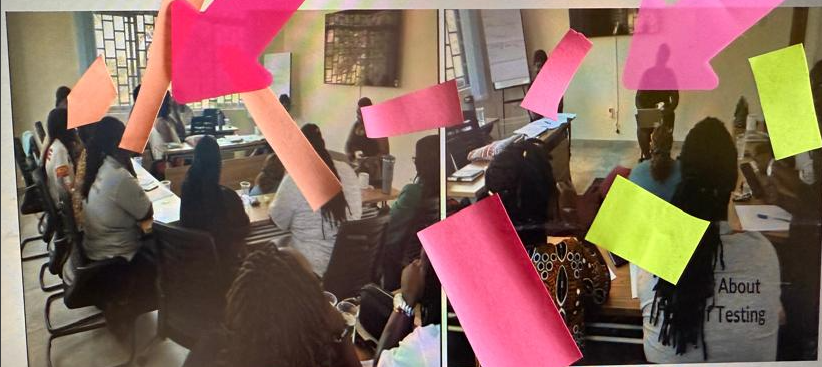
Through collaborative brainstorming sessions, participants identified recurring patterns of violations that structurally marginalized women defenders encounter:
Community-level discrimination that extends beyond individual prejudice to systemic exclusion
Physical attacks and threats from both state and non-state actors
Economic marginalization through job insecurity and limited livelihood opportunities
Family and social rejection that leaves defenders without traditional support systems
Building Strategies for Resilience
The workshop wasn’t just about identifying problems—it was about developing solutions. HRAPF’s perspective on crisis management and protection strategies revealed both challenges and opportunities in the current context.
Key concerns emerged around the declining availability of relocation support and the struggle to access stable housing amid rising homelessness and unemployment. However, the session also generated practical strategies for building resilience:
Economic Empowerment
Actively seeking opportunities across various economic sectors
Developing professional positioning while maintaining awareness of political risks
Creating sustainable livelihood strategies that don’t compromise safety
Crisis Management
Prioritizing self-care during periods of heightened political tension
Building stronger networks for mutual support and protection
Maintaining vigilance while continuing advocacy work
The Path Forward
The convening reinforced several critical insights that will shape WHRDN-U’s ongoing work:
Mental Health Must Be Centered: The severe psychological impact of isolation and discrimination requires dedicated attention and resources. Our movement’s sustainability depends on supporting the holistic well-being of defenders.
Economic Justice Is Human Rights: Access to stable livelihoods isn’t separate from human rights work—it’s fundamental to it. Defenders cannot sustain their advocacy without economic security.
Solidarity Is Survival: The networking and connection fostered during the workshop demonstrated the power of collective action. When defenders support each other, they become more resilient and effective.
Inclusion without Exploitation: The challenge of including marginalized voices in advocacy work while protecting them from additional risks requires careful, ethical approaches.
A Commitment to Continued Action
This convening was not a one-time event but part of WHRDN-U’s ongoing commitment to supporting the most vulnerable members of our community. The stories shared, connections made, and strategies developed will inform our programming and advocacy moving forward.
We recognize that structurally marginalized women human rights defenders face unique challenges that require specialized support and understanding. Their courage in continuing this vital work despite overwhelming obstacles inspires us and reinforces why this network exists.
The isolation that many defenders experience is not inevitable, it’s a result of systems that can be changed through collective action, sustained support, and unwavering solidarity.
The Women Human Rights Defenders Network Uganda continues to advocate for the safety, security, and sustainability of all women defenders, with particular attention to those facing structural marginalization. For more information about our programs and how to get involved, contact us through our website.
Join us in building a movement where no defender stands alone.
The Women Human Rights Defenders Network Uganda (WHRDN-U) continues to shine a spotlight on the growing risks faced by Women Human Rights Defenders (WHRDs) across the country. From January to June 2025, the organization documented a total of 33 cases of attacks and violations through its Registry of Attacks against WHRDs, underscoring the urgent need for targeted protection and advocacy.
First Quarter Findings (January–March 2025)
The first quarter of 2025 saw 18 cases of violations against WHRDs documented by the WHRDN-U Registry. These cases ranged from threats and intimidation to digital and physical surveillance. A line graph in the full report highlights the frequency and nature of these violations, offering a visual representation of the growing hostility WHRDs face.
A second graph reveals the types of perpetrators responsible for the attacks, offering insights into the systemic and widespread nature of these violations, which are not limited to non-state actors.
Second Quarter Findings (April–June 2025)
In the second quarter, WHRDN-U recorded 15 new cases. Of these, 5 WHRDs received Emergency Protection Support—including relocation and legal assistance—while 10 others were provided with psychosocial support. These interventions were made possible through WHRDN-U’s rapid response mechanisms and the solidarity of peer WHRDs.
A pie chart in the report illustrates the diversity of activism among affected WHRDs:
GBV Activism – 23.1%
Child Rights – 15.4%
Sexual Minority Rights – 15.4%
Economic Rights – 15.4%
Female Journalists – 7.7%
LBQTI Rights – 7.7%
Environmental Rights – 7.7%
Women’s Rights Activism – 7.7%
Additionally, a bar graph details the types and frequency of human rights violations reported, highlighting the persistent risks WHRDs face in various sectors.
A Shrinking Civic Space
The period under review reflects a deteriorating environment for human rights work in Uganda. State-sanctioned repression, impunity, and increasingly restrictive civic space continue to endanger the lives and work of WHRDs. The context analysis in the report warns of an alarming trend: the silencing of dissent and criminalization of activism, particularly affecting women who challenge entrenched power structures and advocate for marginalized groups.
WHRDN-U’s Call to Action
As threats against WHRDs escalate, WHRDN-U urges national and international stakeholders to:
Recognize WHRDs as vital actors in the promotion of democracy and social justice.
Fund holistic safety and well-being strategies for WHRDs.
Advocate for policy reforms to expand civic space and safeguard human rights defenders.
WHRDN-U reaffirms its commitment to documenting, supporting, and amplifying the voices of Women Human Rights Defenders across Uganda. The Registry of Attacks remains a critical tool for evidence-based advocacy, enabling the network to respond quickly and push for long-term policy and structural change.
Details below
12. Report from WHRDNU’s registry Database of attacks against WHRD data base
According to quarter one (January to March 2025, our report presents an analysis of cases recorded from the WHRDN-U’s Registry of Attacks against WHRDs. A Total cases documented were 18 and these cases involved various forms of violations against Women Human Rights Defenders. A line graph illustrates the number and types of reported violations experienced by WHRDs.
A second graph categorizes the incidents by types of perpetrators, offering insights into the sources of attacks.
The second quarter’s report covers cases documented between April and June 2025.Total cases documented were 15, 5 WHRDs received Emergency Protection Support, and 10 WHRDs received psychosocial support, coordinated through WHRDN-U and peer WHRDs
A pie chart shows the distribution of the human rights work of the affected WHRDs: GBV Activism – 23.1%, Child Rights – 15.4%, Sexual Minority Rights – 15.4%,Economic Rights – 15.4%,Female Journalists – 7.7%,LBQTI Rights – 7.7%,Environmental Rights – 7.7%, and Women’s Rights Activism – 7.7%
A bar graph displays the types and frequency of human rights violations reported.
Published by Brenda Kugonza
Context Analysis: Shrinking Civic Space and Risks to Women Human Rights Defenders in Uganda (2025)
Uganda is currently experiencing a significant deterioration in human rights, marked by increasing repression of dissent, shrinking civic space, and state-sanctioned impunity. This has dire implications for the safety, agency, and sustainability of Women Human Rights Defenders (WHRDs) and the broader human rights movement in Uganda.
“We cannot protect what we don’t understand.” These were the opening sentiments shared by Brenda Kugonza, Executive Director of the Women Human Rights Defenders Network Uganda (WHRDN-U), as she launched a groundbreaking two-day Legal Protection and Compliance Training on April 24–25, 2025. The training brought together 24 Women Human Rights Defenders (WHRDs) from across Uganda and was facilitated by legal expert Anthony Masake, Executive Director of Chapter Four Uganda.
The initiative aimed to bolster the legal knowledge and compliance capacity of WHRDs, ensuring their continued resilience amidst an increasingly restrictive civic space.
Why Legal Compliance Matters for WHRDs
In her opening remarks, Brenda shared the sobering story of a WHRD whose organization was shut down over legal noncompliance, resulting in serious personal repercussions. “We cannot allow such stories to repeat. Understanding the law is part of our protection and sustainability,” she emphasized.
With Uganda’s legal landscape rapidly shifting, the training set out to:
Raise awareness on legal obligations for NGOs.
Explore practical strategies for addressing compliance challenges.
Strengthen collective advocacy around civic space and operational freedoms.
Key Discussions and Regional Realities
Participants shared pressing legal and operational issues based on their regional contexts:
Central Uganda: Questions ranged from NGO registration requirements, tax return errors, and anti-money laundering policies, to handling URA/KCCA notifications and complex donor compliance issues.
Western Uganda: Concerns included lack of capacity among Boards, frequent changes in registration requirements, corruption, and pressures to disclose funding sources before signing MOUs.
Eastern Uganda: Issues raised included district-level legal fees, registration denial due to organizational objectives, confusion around filing deadlines, and complexities surrounding founder member succession.
Northern & West Nile: WHRDs discussed risks tied to tax exemptions, district-level MOU pressures, and community resistance due to the nature of their human rights work.
The diversity of experiences showcased just how varied — and often challenging — the legal terrain is for WHRDs, especially those working in remote or underserved areas.
Expert Insights and Legal Navigation Tools
Facilitator Anthony Masake provided tailored responses and legal guidance. Key takeaways included:
NGO Registration & Tax Compliance: Participants were urged to adhere strictly to URSB checklists and to file tax returns by the 10th of each month to avoid penalties. Tax exemption is beneficial but may trigger audits.
FIA & Anti-Money Laundering: While NGOs are exempt from FIA registration as of February 2025, they are still advised to maintain Anti-Money Laundering policies.
MOUs with Districts: Signing MOUs with local governments is not a legal requirement. WHRDs were advised to critically assess risks before entering into such agreements.
Data Protection: A deep dive into Uganda’s Data Protection Policy helped participants understand roles of Data Controllers, Processors, and Officers. Annual registration with the Data Protection and Privacy Office (DPPO) is mandatory, and organizations were encouraged to assign management-level DPOs.
Understanding the NGO Bureau’s RIA Report
Day Two introduced participants to the Regulatory Impact Assessment (RIA) report , a policy document that outlines the government’s expectations for NGO operations. Among other things, the report advocates:
Reducing administrative costs in favor of direct service delivery.
Employing qualified professionals to establish NGOs.
Screening foreign donors.
Hiring full-time compliance officers.
While informative, the RIA report sparked concern. “It focuses too much on our shortcomings and too little on our contributions,” noted Sarah Namugolo. Participants warned that if used selectively, the RIA could further restrict civic space and undermine NGO impact.
Data Protection: A Critical Compliance Frontier
The training concluded with an intensive session on data protection. From defining personal data to understanding the responsibilities of a Data Protection Officer (DPO), participants gained critical insights.
Notably, Annet Alubo shared a cautionary tale of how her personal data was misused by a consultant to register another NGO. This testimony underscored the urgent need for robust data protection measures in the sector.
Participant Reflections & Commitments
WHRDs left the training energized and equipped with practical action plans. Highlights include:
Jackline Namono committed to registering her CBO with URSB and restructuring her Board.
Jovia Oyungi planned to train her colleagues on data protection principles and begin registration with the DPPO.
Rita from MADNET resolved to rebrand her organization and draft a data protection policy.
Hope Atim appreciated learning how to communicate with URA in case of delayed payments.
Florence Namuga and Nabiira Nakalema were among many who expressed gratitude for learning how to navigate compliance with confidence.
Key Achievements
Deepened understanding of legal compliance frameworks including registration, taxation, and data privacy.
Cross-regional solidarity through shared experiences and peer learning.
Tangible action plans to address compliance gaps and improve legal resilience.
Next Steps
WHRDN-U and Chapter Four Uganda committed to continued support, including:
Organizing a specialized tax compliance training.
Sharing legal templates (e.g., URA correspondence letters, DPO job descriptions).
Facilitating ICT-focused training through the DPPO.
Coordinating collective advocacy around the NGO Bureau’s RIA report.
Mapping WHRDs in environmental rights work for targeted support.
Conclusion: Building Legal Power for Women Defenders
The Legal Protection and Compliance Training reaffirmed WHRDN-U’s commitment to equipping WHRDs with the knowledge and tools needed to not just survive — but thrive — in Uganda’s legal and civic landscape. By fostering collective resilience and compliance literacy, WHRDN-U is ensuring that WHRDs remain empowered to defend rights, challenge injustice, and lead transformational change in their communities.
WHRDN-U’s capacity building initiatives continue to yield tangible results as participants apply their knowledge to address critical human rights issues in their communities.
In a powerful demonstration of how effective training can catalyze meaningful change, a dedicated team from Uganda’s Albertine region has taken decisive action to combat marginalization in their area. Following their participation in WHRDN-U’s specialized training on “Engagement with Institutions/Policy Makers,” the team has successfully referred cases of marginalization to the Equal Opportunities Commission.
From Learning to Leading
This initiative exemplifies the core mission of the Women’s Human Rights Defenders Network-Uganda (WHRDN-U) – building capacity among human rights defenders to effectively engage with institutional frameworks and policy-making processes. The training equipped participants with essential skills and knowledge on how to navigate formal channels for addressing human rights violations and promoting equal opportunities for all.
Making a Real Difference
The Albertine region team’s proactive approach in identifying and referring marginalization cases demonstrates the practical application of their newly acquired skills. By working directly with the Equal Opportunities Commission – Uganda’s constitutional body mandated to eliminate discrimination and inequalities – the team is ensuring that affected individuals and communities have access to proper legal recourse and protection.
This action represents more than just a referral process; it signifies a systematic approach to human rights advocacy where defenders are empowered with the knowledge and confidence to engage with formal institutions effectively.
Strengthening the Human Rights Ecosystem
The success story from the Albertine region highlights the importance of targeted capacity building in strengthening Uganda’s human rights ecosystem. When human rights defenders are equipped with the right tools and knowledge, they become powerful agents of change in their communities.
WHRDN-U remains committed to providing such transformative training opportunities that not only educate but inspire action. The organization continues to build the capacity of women human rights defenders across Uganda, ensuring they have the skills needed to effectively advocate for human rights and engage meaningfully with policy-making institutions.
Looking Forward
This impact story serves as an inspiration to other human rights defenders across the country and demonstrates the ripple effect of quality training programs. As WHRDN-U continues to expand its capacity building initiatives, more communities will benefit from having skilled advocates who can navigate institutional frameworks to secure justice and equal opportunities for all.
The work of the Albertine region team stands as a testament to the power of education, training, and committed action in the fight for human rights and social justice in Uganda
How WHRDN-U is Strengthening Regional Collaboration and Joint Advocacy
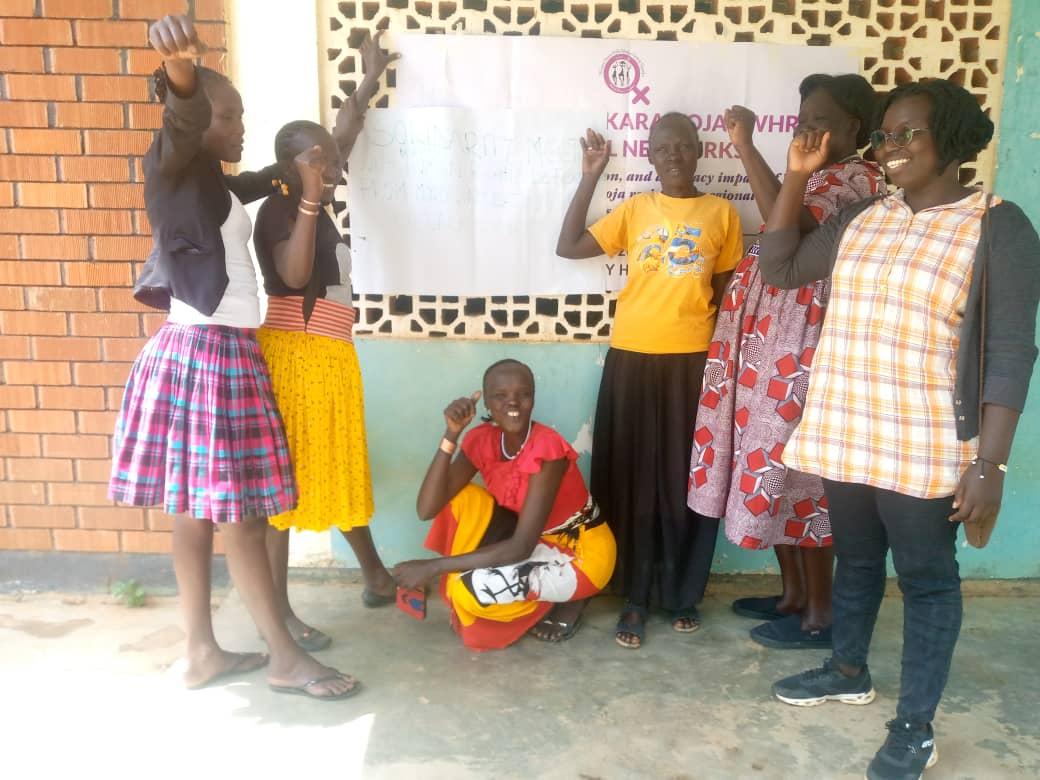
In the Karamoja region, Female Genital Mutilation remains a harmful tradition threatening the health and dignity of girls. For years, defenders in the region have worked in silos—struggling alone, with little support or connection to others doing similar work.That changed when the Women Human Rights Defenders Network Uganda (WHRDN-U) brought WHRDs from across Karamoja together in a workshop in Kampala. It was here that they learned not only legal tools and protection strategies—but also the power of solidarity.
When Pauline Chepar from Amudat shared how she was facing threats and working with little support, her sisters from Moroto, Napak, and Nakapiripirit knew they had to act.
And they did. On July 8th, 2025, these WHRDs took a bold step,they travelled to Amudat to stand with Pauline and her colleagues at Sanay Anti-FGM Office. It was a powerful moment of courage and care. The women sat together, exchanged strategies, encouraged one another, and made a joint promise: No more silence, no more isolation.
They talked openly about what they needed to win this fight: better police response, more funding, safe spaces for girls, and cultural leaders as allies. What seemed like a simple visit turned into a symbol of strength and sisterhood. This was not just support, it was a movement growing from the ground.Because of WHRDN-U’s support and coordination, WHRDs in Karamoja are now more united than ever. They are building a shared voice, forming strong bonds, and pushing for real change in their communities.This is what happens when women defenders stand together. This is the impact of WHRDN-U.
We use cookies to ensure that we give you the best experience on our website. If you continue to use this site we will assume that you are happy with it.