For women human rights defenders and civil society organisations, understanding the legal environment in which they operate is increasingly important. Knowing their obligations can help organisations identify risks, strengthen internal systems and continue their work responsibly.
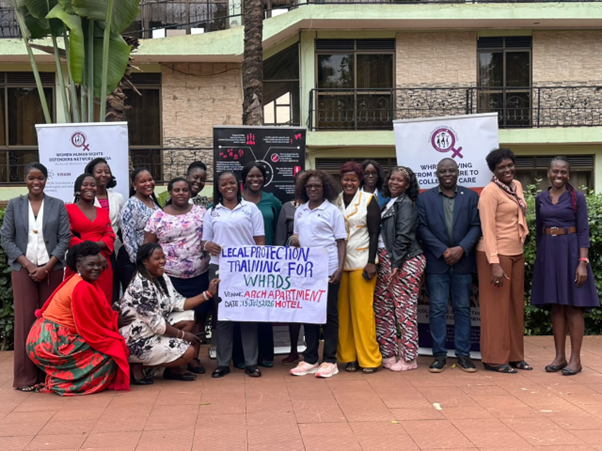
On 13 July 2026, the Women Human Rights Defenders Network Uganda (WHRDN-U) brought together staff, women human rights defenders and civil society representatives for a legal awareness and capacity-building training at Arch Apartments and Hotel in Ntinda. The training focused on the Protection of Sovereignty Act, 2026, organisational compliance and tax obligations. It was facilitated by legal expert and Chapter Four Uganda Executive Director Anthony Masake.
Understanding a Changing Legal Environment
Participants explored key provisions of the Protection of Sovereignty Act, including registration requirements, regulated activities and other obligations that may affect civil society organisations.
The discussion also considered how the law intersects with everyday organisational work, including advocacy, community mobilisation, partnerships and public communication.
Participants were encouraged to go beyond simply maintaining valid registration documents and review their organisational materials including governing documents, websites, strategic plans and communication materials to ensure they accurately reflect their mandates and current legal requirements.
For Rose Kahunde, a woman human rights defender from Kasese, the changing environment is already creating concern. “I am worried, I thought that CSOs are safe, in my district, NGO bureau has started asking for registration licenses, investigating organizations on what they do.”
Her concern reflected a broader need for organisations to understand their obligations and seek appropriate guidance rather than operate from uncertainty.
From Compliance to Preparedness
The training encouraged participants to see compliance as an ongoing organisational responsibility rather than something addressed only when problems arise.
Robina, a woman human rights defender from Hoima, said the training had prompted her to reconsider her organisation’s documents:
“We need to go back and revise our documents since there might be terms that implicate us. This training was therefore timely and important.”
Participants were also encouraged to establish clear internal processes for responding to requests for information from regulators and to seek legal guidance where necessary.
The discussion reinforced a simple message: being legally prepared requires more than having documents—it requires organisations to understand how their work, systems and communication fit within the applicable legal framework.
Compliance Goes Beyond Registration
The training also addressed tax compliance, including tax exemption applications, filing requirements, PAYE, withholding tax and taxation of unrelated business income.
Participants were reminded that NGO registration does not automatically remove all tax obligations and that organisations need to maintain accurate financial and statutory records.
Emily from Arua shared an example of an organisation that had failed to meet its filing obligations and subsequently had to change its name. “They had to rebrand to another name yet they had received funding to implement a project.”
The experience highlighted how seemingly administrative gaps can affect organisational continuity and public trust.
“Compliance Is Not Surrender”
Importantly, the training did not present compliance as giving up advocacy.
Instead, participants were encouraged to understand the rules governing their work, identify potential risks and take informed steps to remain operational and effective.
As one of the key messages from the training put it: “Compliance is not surrender.”
WHRDN-U will continue linking defenders requiring additional support to appropriate legal guidance, while participants committed to reviewing their organisational systems, strengthening statutory compliance and sharing the knowledge gained with other organisations and defenders in their communities.
For Jackie, a woman human rights defender from Yumbe, that commitment extends beyond the training room:
“I will map all sister organizations in the district and give them the important information I have received so that they do not risk closure.”
The training ultimately demonstrated that legal awareness can be an important part of organisational resilience. For women human rights defenders and the organisations supporting them, being informed, prepared and compliant can help create the space needed to continue advancing human rights and supporting communities.
9 March 2026 | Eureka Place Hotel, Ntinda, Kampala
During elections, much of the public attention focuses on candidates, voters and polling stations. Less visible are the women working in communities to promote civic participation, monitor elections, advocate for peaceful processes and document human rights concerns.
Yet these women can also face intimidation and threats because of the work they do.
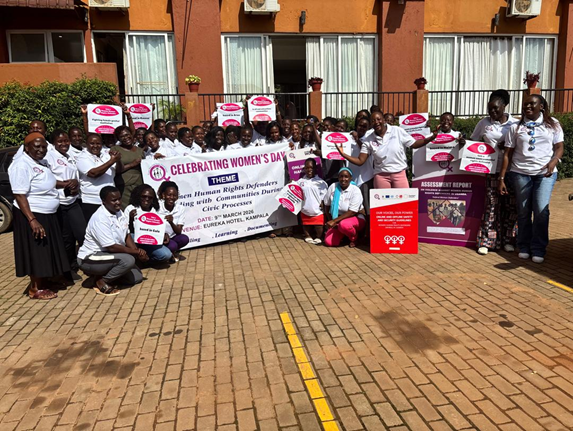
On 9 March 2026, the Women Human Rights Defenders Network Uganda (WHRDN-U) brought together 25 women human rights defenders from Eastern, Western, Northern, Central and Karamoja regions for a day of reflection, learning and wellness following Uganda’s 2026 elections. The engagement focused on strengthening documentation, collective protection and the wellbeing of women defenders.
Documenting What Happens
The engagement provided space for women defenders to reflect on the rights at stake during elections, including freedom of expression, participation, security, access to information and the right to vote.
Hope Bagota from the Uganda Human Rights Commission (UHRC) led a session on monitoring and documentation, emphasising the importance of recording incidents objectively and supporting them with evidence such as photographs, dates, locations, police reference numbers and relevant media reports.
Participants were introduced to the Five Ws and H what, where, when, who, why and how as a practical framework for documenting violations.
For the defenders, the lesson was clear: documentation can turn individual experiences into credible evidence that supports advocacy and accountability.
When Defenders Become Targets
Participants also shared experiences from the election period that demonstrated the risks associated with their work.
Leese Josephine from Nakapiripirit described facing intimidation while conducting civic and voter education. Amiya Shannon said security agents at a polling station in Moroto forced her to hand over her phone and delete photographs she had taken before she left the station for her safety.
In Yumbe, Eudopia Jackline described receiving a threatening call during a radio talk show on gender equality and peaceful coexistence. In another case shared during the meeting, a woman defender in Arua reportedly faced verbal attacks and gender-based violence at home linked to her civic engagement.
These experiences highlighted a difficult reality: women encouraging others to participate in civic processes can themselves become targets because of their work.
The meeting also resulted in two cases involving WHRDs from Palisa and Kasese being interviewed and documented for WHRDN-U‘s evidence base on attacks and violations.
Wellbeing Is Part of Protection
After reflecting on the risks they had experienced, participants turned their attention to their own wellbeing.
WHRDN-U Executive Director Brenda Kugonza encouraged the women to think about how often they make time for themselves through rest, exercise, health check-ups and other forms of self-care.
A wellness session, including activities such as massage, steam baths and body scrubs, gave participants an opportunity to relax and reconnect after the pressures of election-related work.
The session reinforced an important message: self-care is not separate from human rights work. For defenders regularly exposed to conflict, violence and discrimination, maintaining their physical and emotional wellbeing is part of sustaining their work.
Strengthening Collective Protection
The engagement also strengthened connections among defenders from different parts of the country and provided an opportunity to connect them with the Uganda Human Rights Commission and its regional offices for reporting and complaints.
At the same time, the discussions revealed a need for continued mentorship, as many defenders had not consistently documented eligible cases despite receiving guidance and support.
WHRDN-U will continue supporting defenders to strengthen documentation, collective protection and peer networks, while working with relevant human rights institutions to ensure that violations affecting women defenders are captured in broader accountability processes.
The experiences shared during the engagement offer a simple but important reminder: the women who stand up for the rights of others also need protection, support and space to recover.
Protecting women human rights defenders is therefore part of protecting the civic space in which communities can participate, speak freely and demand accountability.
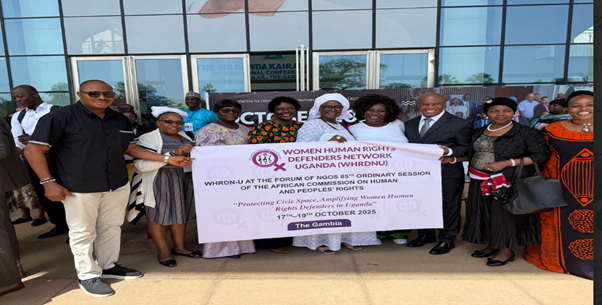
At the 85th Ordinary Session of the African Commission on Human and Peoples’ Rights (ACHPR) held in Banjul, The Gambia, the Women Human Rights Defenders Network Uganda (WHRDN-U) raised concern over the shrinking civic space and the growing repression faced by women human rights defenders in Uganda.
Through a panel discussion on “Civic Space Under Threat” and an oral statement delivered to the Commission, WHRDN-U shared firsthand testimonies showing how women defenders across the country—journalists, lawyers, environmental activists, and community organizers—are being silenced for speaking truth to power and demanding accountability.
During the panel discussion, WHRDN-U highlighted that governments, security agencies, and corporations, as well as certain community actors, are using criminalization, surveillance, intimidation, and public shaming to suppress women who defend human rights. Anti-gender movements have intensified these attacks, seeking to erase feminist voices and delegitimize the struggle for gender equality.
Examples shared included women who have been arrested for documenting corruption, environmental activists humiliated for protesting forced evictions, and human rights defenders threatened online or censored for their advocacy. Others have been targeted under discriminatory laws, accused of promoting ideas contrary to traditional norms, or punished for providing support to vulnerable groups.
As Uganda moves toward another election cycle, women defenders continue to face heightened state harassment. Female journalists report censorship, lawyers representing detainees are followed and threatened, and activists documenting abuses are accused of being politically motivated. In northern Uganda, women organizing peace dialogues have faced intimidationnder new security laws that allow military courts to try civilians.
The oral statement delivered by WHRDN-U to the African Commission emphasized that between 2020 and 2024, the network verified over 260 attacks against women defenders in Uganda, including arbitrary arrests, online harassment, sexualized violence, and public defamation. These are not isolated incidents but a systemic effort to silence women’s participation in public life and close civic space.
WHRDN-U called upon the African Commission to urge the Government of Uganda to recognize and protect women human rights defenders as essential actors in democracy and peacebuilding, to end the criminalization of legitimate advocacy, and to safeguard freedoms of expression, association, and peaceful assembly. The organization further called for the adoption of a gender-responsive Human Rights Defenders Bill aligned with international standards, a comprehensive study on the situation of WHRDs across Africa, and the implementation of holistic, feminist protection measures that ensure safety, psychosocial well-being, and freedom from reprisals.
In both interventions, WHRDN-U stressed that the struggle of women defenders is not only about individual safety but about the future of civic life and democracy in Uganda. When women defenders are silenced, entire communities lose their voice. When they are protected, democracy and justice thrive.
Despite growing risks, women defenders across Uganda continue to organize, educate, and protect others. Their resilience is a reminder that protecting women defenders is not an act of charity, it is an act of justice and a moral imperative for governments and society at large.
@WHRDNU joined the 85th Ordinary Session of the ACHPR: (1) Panel on the state of WHRDs (2) Oral statement on Ugandan WHRDs under Item 7. Gratitude to Hon. Janat Sallah Njie (SR on Women’s Rights) & Hon. Remy Ngoy Lumbu (SR on HRDs in Africa) for their support. pic.twitter.com/ivYHi6x0jj
— Women Human Rights Defenders Network- Uganda (@WHRDNU) October 23, 2025
Compiled by: Brenda Kugonza, Executive Director, WHRDN-U Date: March 25, 2025
Introduction
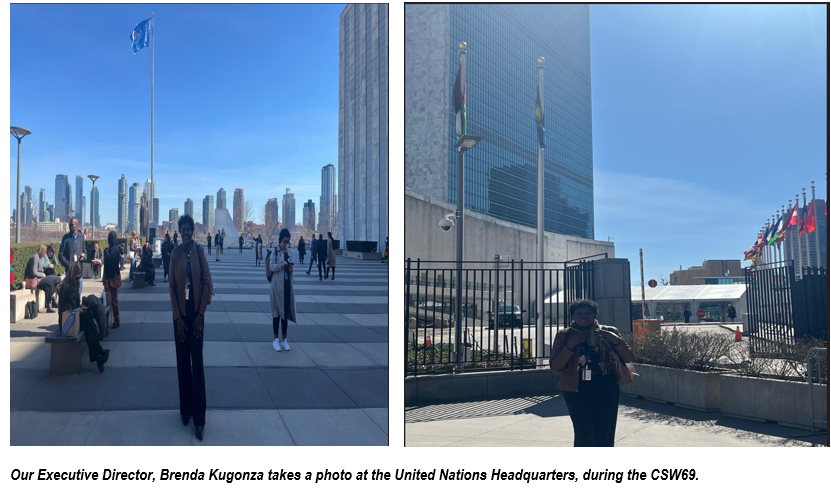
The Women Human Rights Defenders Network-Uganda (WHRDN-U) actively participated in the 69th session of the Commission on the Status of Women (CSW69) held in New York, USA, in March 2025. Our engagement at CSW69 provided a strategic platform to highlight the threats, challenges, and resilience of Women Human Rights Defenders (WHRDs) in Uganda and across Africa.
Key Highlights of WHRDN-U Participation
1. Panel Discussion on Registering and Monitoring Attacks against WHRDs in Africa
WHRDN-U took part in a high-level panel discussion during a side event organized by UAF-Africa https://x.com/whrdnu/status/1899545949350859128?s=46. The session focused on the critical task of registering and documenting attacks against WHRDs in Africa. Discussions covered:
The democracy crisis in Uganda, its historical and structural causes.
WHRDN-U’s Assessment Report: Challenges WHRDs face due to escalating repression, gender-based discrimination, and shrinking civic space.
Strategies of resilience, including legal advocacy, mental health support, and alliance-building.
A call for donor support to prevent further harm and amplify activist-led initiatives for sustainable change.
During this panel, WHRDN-U presented the newly published Assessment Report on Violence Against Women Human Rights Defenders in Uganda https://www.whrdnuganda.org/assessment-report-on-violence-against-women-human-rights-defenders-in-uganda/., disseminating key findings to donors, policymakers, and leaders of women’s rights organizations. Policy briefs summarizing key insights from the report were shared to enhance awareness and advocacy.
We fostered high level of recognition and awareness about the important work of WHRDs, the threats and challenges faced by WHRDs. For instance we share policy briefs titled ‘Violence Against WHRDs: Seeking Protection’
2. Targeted Meetings with Strategic Partners and Allies
WHRDN-U held targeted meetings where the Executive Director, Brenda Kugonza scheduled side meetings and one-on-one meetings with strategic partners and allies. During these engagements, she disseminated assessment reports and policy briefs, ensuring that WHRD issues remained at the forefront of discussions.
3. Engagements with the Consortium for East African WHRD Protection Networks
WHRDN-U joined forces with regional partners:
Hilda (Tanzania Coalition for WHRDs)
Salome (Kenyan WHRD Hub)
Brenda Kugonza (WHRDN-Uganda)
Together, we reinforced collective efforts to advocate for WHRD protection in East Africa. This collaboration strengthened the regional advocacy agenda and created opportunities for cross-border solidarity.
3. Participation in FIDA Uganda Side Event
WHRDN-U was invited to a side event hosted by FIDA Uganda at CSW69. This engagement allowed interaction with key policymakers, including Hon. Betty Amongi, Minister of Gender, Labour and Social Development (MGLSD), Uganda. Discussions assessed the effectiveness of poverty alleviation initiatives such as the GROW and Parish Development Model (PDM) and their impact on women’s empowerment.
4. WHRD International Coalition Anniversary Event
WHRDN-U also participated in the Women Human Rights Defenders International Coalition Anniversary to demonstrate solidarity in challenging times. This event reinforced global networks supporting WHRDs and provided a space to share experiences and strategies for collective action.
Key lessons learnt
Side events hosted by like-minded partners highlighted key findings, recommendations and generated commitments.
Targeted briefing meetings provided tailored insights from the report
The use of policy briefs as fact sheets summarized key findings that guided discussions and ensure accessibility
Printing and distributing physical copies of the policy briefs to key stakeholders attending CSW sessions and parallel events
Way forward and recommendation
CSW provides a rare opportunity to engage policymakers and duty bearers who may otherwise be difficult to access due to political sensitivities back home.
Leveraging CSW for Strategic Policy Engagement & Advocacy
1. Direct Access to Policymakers & Duty Bearers
• CSW provides a neutral and international space where policymakers feel more open to engaging with WHRDs without fear of local political repercussions.
• We should prioritize closed-door engagements where policymakers can candidly discuss social justice issues and explore collaborative strategies.
• Organize policy dialogue sessions where we present the report and discuss actionable recommendations tailored to their interests.
2. Strategic Use of Allies to Push Difficult Conversations
• In situations where direct engagement with policymakers is challenging, we will mobilize allies and friendly international partners to raise tough questions on our behalf.
• Coordinate with development partners and feminist allies to ensure that WHRDs’ issues remain on the agenda in high-level sessions, even when we are not physically in the room.
• Identify key moments in CSW events where duty bearers are speaking and prepare strategic interventions that highlight WHRD challenges.
3. Development Partners Should Invest in This Advocacy Approach
• Given the unique opportunity that CSW presents, donors and partners should recognize the value of this space in advancing policy influence and commit resources to support advocacy efforts at such international platforms.
• Encourage funders to allocate funding for sustained follow-up engagement after CSW to ensure that commitments made in New York translate into action at home.
4. Maximizing CSW as a Platform for Policy Influence
• CSW should not just be an event for participation but a deliberate advocacy space to advance WHRDs’ protection and policy demands.
• Track policymakers’ responses and commitments during CSW engagements and use this data to hold them accountable post-CSW.
Conclusion
WHRDN-U’s participation in CSW69 was a significant opportunity to elevate the visibility of WHRDs, highlight pressing challenges, and advance advocacy efforts on a global stage. By fostering collaborations, disseminating critical findings, and engaging policymakers, WHRDN-U strengthened its position as a key actor in the protection of WHRDs. Moving forward, we will continue leveraging international spaces like CSW to amplify our advocacy and push for meaningful policy reforms.
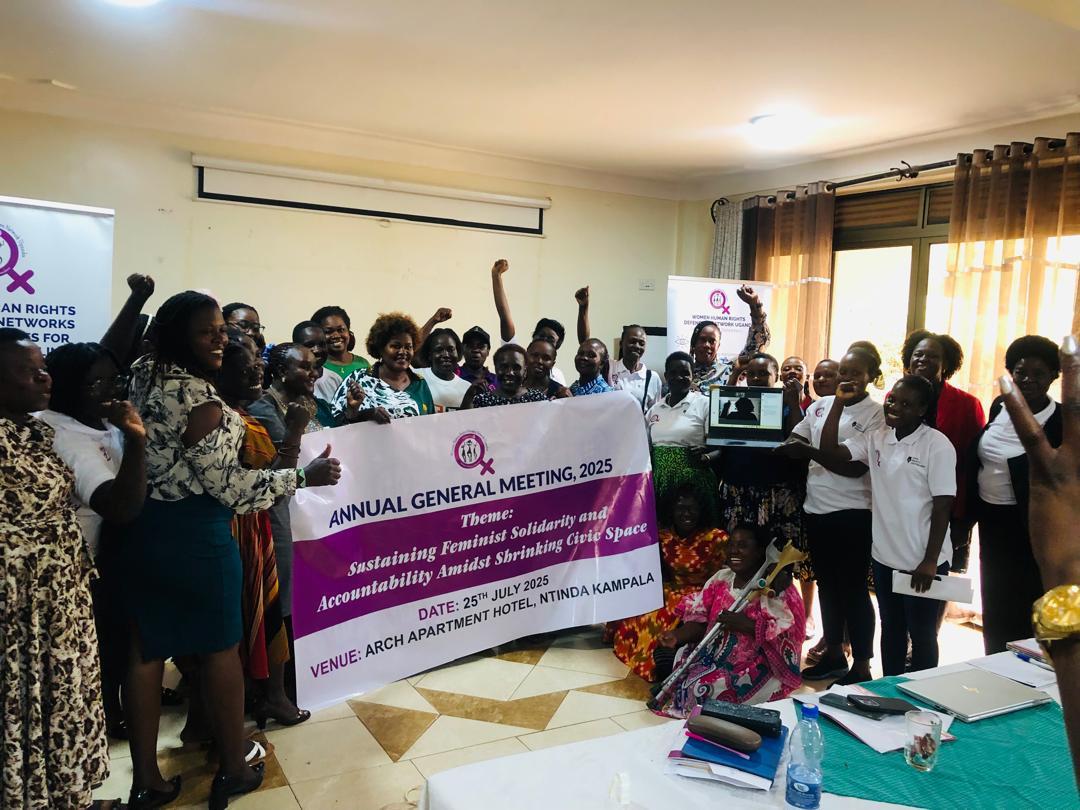
Kampala, Uganda – The Women’s Human Rights Defenders Network Uganda (WHRDN-U) successfully held its 7th Annual General Meeting on Friday, July 25th, 2025, at the prestigious Arch Apartments and Hotel in Ntinda, Kampala.
The meeting brought together members from across the network to review the organization’s progress, discuss key achievements, and chart the path forward for women’s human rights advocacy in Uganda.
Meeting Highlights
The comprehensive agenda covered crucial organizational matters, beginning with an opening prayer that set a reflective tone for the proceedings. Members received communications from the Chairperson, providing strategic direction and updates on the network’s activities.
Key presentations during the meeting included:
Board Chairperson’s Report: A detailed overview of the network’s activities and strategic initiatives throughout the year
Treasurer’s Financial Report: Comprehensive financial statements for the year ending December 31st, 2024
Audited Accounts Presentation: Independent audit results ensuring transparency and accountability in financial management
Annual Narrative Report 2024: A thorough review of programs, achievements, and impact made by the network
The meeting also included a review of previous meeting minutes, ensuring continuity and follow-through on previously agreed actions. An “Any Other Business” session provided members with an opportunity to raise additional concerns and suggestions.
Strengthening the Network
The 7th AGM represents a significant milestone for WHRDN-U, demonstrating the organization’s commitment to democratic governance and member participation. The meeting provided a platform for members to engage in meaningful dialogue about the challenges facing women human rights defenders in Uganda and strategies to address them.
The diverse attendance reflected the network’s broad reach and the strong commitment of its members to advancing women’s rights and gender equality across Uganda. The professional venue at Arch Apartments and Hotel provided an conducive environment for productive discussions and networking among participants.
Looking Forward
The successful completion of the 7th Annual General Meeting positions WHRDN-U to continue its vital work in 2025 and beyond. With transparent financial reporting, clear strategic direction from leadership, and strong member engagement, the network is well-positioned to advance its mission of protecting and promoting women’s human rights in Uganda.
The meeting concluded with renewed commitment from all members to support the network’s objectives and work collaboratively toward creating a safer environment for women human rights defenders across the country.
The Women’s Human Rights Defenders Network Uganda (WHRDN-U) continues to be a leading voice in advocating for women’s rights and supporting female human rights defenders throughout Uganda. For more information about WHRDN-U’s work and upcoming activities, visit our website or contact us directly.
Group photo for the members of the Annual General Meeting taken on 25th July 2025 at Arch Apartments and Hotel.
Photo Caption: Members of WHRDN-U gathered for the 7th Annual General Meeting at Arch Apartments and Hotel, Ntinda, Kampala on July 25th, 2025, demonstrating strong participation and commitment to the network’s mission.
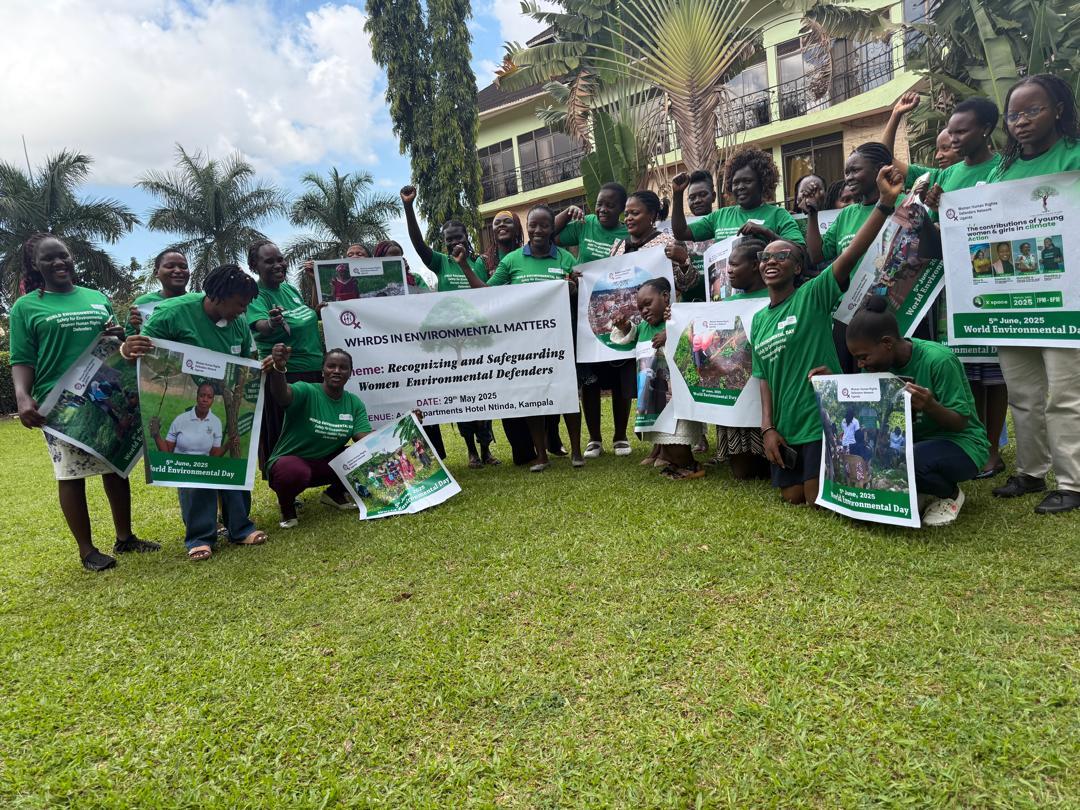
In Uganda, Women Environmental Defenders (WEDs) are at the frontline of protecting forests, wetlands, water sources, and land, especially in rural and indigenous communities. Despite their critical role in promoting ecological justice and sustainable development, WEDs often operate in high-risk environments, facing threats such as gender-based violence, criminalization, marginalization, and lack of recognition.
To honour their work and amplify their voices during the World Environment Day celebrations, the Women Human Rights Defenders Network Uganda (WHRDN-U) conducted a one-day convening to reflect, connect, share experiences, and strengthen collective strategies for protection and advocacy. The convening brought together 22 Women Environmental Human Rights Defenders from across all regions which took place at Arch Apartments Hotel in Ntinda.
Understanding the Work of Environmental Women Human Rights Defenders
Brenda in her opening remarks shared that the women are educated. She welcomed all the protocol, including the Batwa, and emphasized that the WEHRDs are not idle they are working so hard. Due to their work, many have been isolated in their different regions, to the extent that many have been attacked and arrested.
She also noted that they have been targeted due to their efforts to prevent wetland degradation.
Understanding the Laws that Protect Environmental Women Human Rights Defenders (How to Conserve the Environment – Legal Frameworks)- Facilited by Eunice Asinguza from NEMA.
Eunice began her presentation by explaining different Legal frameworks that Protect the Environmental Women Human Rights Defenders in the country.
National Environment Act (2019)
This Act provides the legal framework for environmental management in Uganda. Key Functions:
Establishes the National Environment Management Authority (NEMA) as the lead agency.
Regulates environmental impact assessments (EIAs) before any project is approved.
Promotes sustainable development and pollution control.
Provides for community participation in environmental decision-making.
Mandates environmental audits, compliance monitoring, and enforcement mechanisms.
Water Act (Cap. 152)
This Act governs the use, management, and protection of water resources. Key Functions:
Regulates water abstraction, usage, and discharge through permits.
Protects public water sources and promotes equitable access.
Empowers the Ministry of Water and Environment to monitor water quality.
Encourages conservation and sustainable use of water bodies.
Criminalizes pollution of water bodies.
The Land Act (Cap. 227)
Provides for the ownership, tenure, and management of land. Key Functions:
Recognizes four types of land tenure: customary, freehold, mailo, and leasehold.
Protects tenants and land users, including women and marginalized groups.
Empowers District Land Boards and Area Land Committees to manage land rights.
Guides land use planning to ensure sustainable environmental practices.
Requires landowners to maintain environmental safeguards on their land
Wildlife Act (2019)
Provides for the protection and sustainable management of wildlife and habitats. Key Functions:
Establishes the Uganda Wildlife Authority (UWA).
Regulates conservation areas, including national parks and game reserves.
Penalizes illegal hunting, trafficking, and destruction of wildlife habitats.
Promotes community wildlife conservation and benefit-sharing.
National Forestry and Tree Planting Act (2003)
Governs the sustainable management of forests and promotes tree planting. Key Functions:
Provides for the management of both central and local forest reserves.
Encourages private and community tree planting.
Penalizes illegal logging and forest encroachment.
Establishes forest management plans and forest user groups.
Assigns responsibilities to the National Forestry Authority (NFA).
National Climate Change Policy (2015)
Provides strategic guidance for addressing climate change impacts in Uganda. Key Functions:
Guides integration of climate change into sectoral and district planning.
Promotes resilience and adaptation measures (e.g., drought-resistant agriculture).
Encourages low-carbon development strategies.
Supports community awareness and disaster preparedness.
Guides government on accessing climate finance (e.g., Green Climate Fund).
Gender Policy (2007)
Promotes gender equality and integration of gender perspectives into development. Key Functions:
Ensures that environmental policies and projects consider the needs of women and men equally.
Encourages women’s participation in environmental governance.
Provides a framework for gender-responsive budgeting and programming.
Addresses gender-based barriers to resource access and decision-making.
Land Policy (2013)
Guides equitable access, ownership, and use of land resources. Key Functions:
Aims to strengthen land rights, especially for women, indigenous communities, and pastoralists.
Promotes environmental sustainability through integrated land use planning.
Encourages land dispute resolution through community structures.
Supports decentralization of land governance.
Aims to reduce land degradation and promote conservation.
National Wetlands Policy (1995)
Provides a framework for the conservation and sustainable use of wetlands. Key Functions:
Protects wetlands from encroachment, drainage, and pollution.
Promotes wise use of wetlands for sustainable livelihoods (e.g., papyrus harvesting).
Empowers local governments and communities to manage wetland resources.
Prohibits issuance of land titles in wetlands.
Encourages restoration of degraded wetlands.
Wildlife Policy (2014)
Sets the strategic direction for wildlife conservation and management. Key Functions:
Focuses on sustainable utilization of wildlife resources.
Promotes ecotourism and community involvement in conservation.
Emphasizes the protection of endangered species.
Supports education and awareness on wildlife issues.
Facilitates transboundary conservation with neighboring countries.
Forestry Policy (2001)
Provides a vision for the forest sector based on sustainable use and public participation. Key Functions:
Promotes collaborative forest management with communities and civil society.
Encourages private investment in forest development.
Guides reforestation and afforestation programs.
Supports conservation of biodiversity and critical forest ecosystems.
Aligns forest use with poverty reduction and rural development.
NEMA as well works with the Office of the President and the Ministry of Water and Environment.
Why Environment? (Reasons for Defending the Environment)
Eunice emphasized the importance of environmental protection within the context of human rights advocacy. She provided several reasons why Women Environmental Human Rights Defenders (WEHRDs) should persist in their efforts to protect the environment, summarised as follows:
Legal requirement: Environmental protection is not optional—it is a legal requirement which is in national legislation. Communities are therefore obliged to preserve natural resources in compliance with the law.
Foundation for Development: A healthy environment serves as the basis for sustainable development. Economic activities, including agriculture and tourism, depend on clean air, water, and land.
Conservation of Human Life: The facilitator highlighted the right to food as a fundamental human right. She warned that increasing use of chemicals in food production has resulted in pollution and contributed to the rise of diseases such as cancer.
Protection of Biodiversity: The degradation of ecosystems has led to the loss of medicinal plants and traditional remedies. Conservation efforts are therefore crucial for protecting both natural heritage and public health.
Climate Justice: The country is experiencing prolonged droughts, which have significantly reduced food production. Environmental defenders are at the forefront of promoting climate justice and advocating for climate resilience.
Accountability and Transparency: Eunice emphasized the need to hold both local and foreign companies accountable for environmental degradation. She referenced ongoing issues in Karamoja as an example where natural resources are being exploited without community benefit or proper regulation.
Participant’s Reflections and Concerns During the interactive session, participants shared real-life examples to reinforce the discussion:
Grace pointed out that forests serve not only as natural habitats but also as cultural and medicinal sites. She cited Kitagata Hot Springs as a historical site where communities collect herbal medicines for family healthcare.
Halima, from Katwe, expressed concern over the pollution of Lake Katwe, an important source of salt and livelihoods for the surrounding community.
Eunice also informed participants of her role as a senior negotiator on climate change and a member of the NEMA committee tasked with assessing the risks faced by WEHRDs. She shared insights into the challenges NEMA currently faces, including limited enforcement capacity and resistance from powerful stakeholders.
To support environmental sustainability, she encouraged women to actively participate in reforestation efforts, stating that “every woman should plant as many trees as the number of children she has.”
Viola raised a concern about pollution in water bodies, explaining that contamination of one lake could have downstream effects on others. She highlighted land conflicts and evictions related to sugarcane plantations and questioned the effectiveness of NEMA’s protection mechanisms for WEHRDs.
Viola Kataike also noted that some community members question the legitimacy of women defenders, challenging their authority and motives in advocating for environmental protection.
Irene, speaking about Bugoma Forest, shared that many community members fear accessing the forest due to repeated attacks and restrictions. She questioned how defenders could operate in such an environment. In response, Eunice acknowledged the challenge, noting the influence of patriarchal systems and emphasized the need for structural and legal reform.
Eunice explained that environmental management in Uganda is decentralized, operating through a digitally supported system. The framework includes coordination with:
District Environmental Officers
District Local Councillors
Environmental Committees
Sharon Ocola inquired about the existence of local ordinances and bylaws regulating environmental behavior. In response:
Akello Sarah reported that Moroto town is experiencing significant pollution, particularly with human waste in the streets.
Imalingat confirmed the existence of an ordinance in Moroto aimed at addressing open defecation and improving sanitation.
Mandate of the National Environment Management Authority (NEMA)
The facilitator concluded the session by outlining NEMA’s core mandate in environmental protection and its role in defending the rights and safety of WEHRDs. Key functions include:
Regulating, monitoring, and supervising all activities that impact the environment
Advising government on climate change policy and national environmental priorities
Referring issues to relevant lead agencies for further action
Issuing environmental compliance certificates for projects and developments
Coordinating with local communities to promote grassroots environmental stewardship
Collaborating with religious leaders to advocate against environmental degradation
Reviewing and deciding on Environmental Impact Assessments (EIAs)
Conducting environmental audits to ensure compliance
Creating awareness through education and outreach programs
Understanding Environmental Rights (Facilitated by Director Ruth Sekindi – UHRC)
Director Ruth Sekindi emphasized the linkage between human rights and environmental protection. She cited practical examples, such as the construction of factories near water bodies, which results in the dumping of waste into water sources. This contamination leads to disease outbreaks and undermines the right to a clean and healthy environment, a fundamental human right.
She further elaborated on the concept of Women Environmental Human Rights Defenders (WEHRDs), describing them as women actively engaged in defending environmental rights. She noted that these women play a critical role in climate change advocacy and environmental protection, often working under challenging conditions.
Director Ruth highlighted that the mojority of WEHRDs in Uganda are indigenous women, particularly those residing in forested areas where mineral resources have been discovered. These women are primarily located in rural communities, not urban centers, and are engaged in addressing environmental issues such as water and air pollution, deforestation, and mining activities.
She underscored that environmental rights encompass key substantive rights, including the right to food, clean water, clean air, and life itself.
Discussion on the Safety and Security of WEHRDs
Director Ruth addressed the safety concerns facing WEHRDs, noting that many of them operate in patriarchal societies where traditional norms restrict women to caregiving roles. As a result, women who step into advocacy roles especially in sectors perceived as “masculine” like environmental defense are often labelled as confrontational or rebellious.
She advised that in order to remain safe, WEHRDs must begin by understanding the environment they work in, along with their legal rights, such as the right to opinion and freedom of speech. She recommended that defenders assess risks carefully before taking any action, by researching incidents and understanding the roles of key stakeholders, including NEMA, UHRC, NGOs, and relevant government entities.
On the matter of communication, she cautioned that some platforms like WhatsApp may no longer be secure and advised the use of safer, more encrypted social media tools for communication and advocacy.
For physical safety, she encouraged WEHRDs to:
Avoid visiting high-risk areas alone.
Always stay visible, maintain a network of emergency contacts, and avoid hiding their work.
Be tactical and avoid confronting powerful figures directly.
Remain active and visible on social media, and where necessary, use anonymous accounts to raise concerns.
She emphasized the importance of setting personal boundaries and recognizing one’s worth. Irene, one of the participants, testified that she had been harassed by a government official while seeking accreditation for her work.
Sharon Ocola also shared her experience, stating that her climate activism has made her a target of both physical and online attacks, including threats and intimidation.
Director Ruth encouraged building strategic alliances with authorities and ensuring that local communities are supportive of the defenders’ work. She stressed the need to document all forms of engagement, threats, pollution incidents, and community meetings, as these records provide critical evidence for advocacy and protection.
Furthermore, she reminded participants that companies seeking to operate in their communities under the guise of development or investment must first obtain Free, Prior and Informed Consent (FPIC) from community members. The government, she added, holds the responsibility to protect its citizens from harmful practices by investors.
She recognized the defenders’ role in protecting land, wetlands, clean water sources, biodiversity, and climate justice, and reinforced that their work is both valuable and necessary.
Imalingat encouraged fellow WEHRDs to actively participate in local decision-making processes, especially meetings within their communities, to remain informed and engaged in environmental governance.
However, Jackline noted that women often face threats of demotion or intimidation when they challenge male authority in such forums, especially on issues related to environmental degradation.
Understanding the challenges and attacks faced by the Environmental Women Human Rights Defenders. The challenges were presented in Groups of 03 and inform of testimonies from the defenders during their human Rights work.
Group 01:
Physical Assaults:
Participants reported multiple cases of physical violence by law enforcement officers during peaceful environmental protests.
In Buikwe District, residents organizing a peaceful demonstration against air and water pollution were physically assaulted by police.
Similar incidents occurred in Bulisa, where community members protesting deforestation were violently scartered.
In Bundibugyo, citizens opposing land evictions faced beatings from security personnel.
Discrimination:
In Iganga District, Persons with Disabilities (PWDs) reported consistent exclusion from public functions by the District Community Development Officer (DCDO), reflecting a number of discriminations.
Sexual Harassment:
In the same district, it was reported that PWDs advocating for flood-related relief and support faced sexual harassment from local leaders, particularly when demanding basic rights and protections.
Arbitrary Arrests:
In Buikwe, three protest leaders were arbitrarily arrested and detained for an entire day during a peaceful protest against industrial pollution.
Suppression of Advocacy:
In Bulisa, the NAVODA office was forcibly closed following their extensive community sensitization on the dangers associated with air and gas extraction projects, reflecting state resistance to environmental advocacy.
Physical Intimidation and Threats:
Across all participating regions, environmental defenders reported routine threats and intimidation, creating a hostile environment for activism.
Displacement and Forced Evictions:
In the Albertine (Bunyoro) Region, participants highlighted the displacement of communities due to oil exploration and extraction activities. In many cases, evictions were carried out without community consent, violating both environmental and human rights.
Group 02:
Gender-Based Violence and Discrimination:
In Hoima, a government official reportedly demanded sexual favors in exchange for providing accreditation support to a woman environmental defender.
In Jinja, cultural stereotypes were cited where men publicly demean women for cycling, claiming that women cyclists “are not real women.”
Imalingat, a defender from Katakwi/Kotido, shared her experience of social stigma for being a feminist. Community members viewed her as rebellious and hostile to male authority.
Criminalization and Legal Harassment:
A defender from Kumi reported threats of arrest after discussing corruption on a local radio talk show, where a bribe of UGX 3 million was allegedly demanded by officials for employment.
In Hoima, police reportedly issued threats to climate activists and community mobilizers opposing the East African Crude Oil Pipeline (EACOP).
Physical Violence: In Bundibugyo, defenders opposing deforestation reported frequent beatings and violent reprisals from local authorities.
Community Isolation and Stigmatization:
Across all regions, defenders experienced ostracization during campaigns focused on women’s land rights, anti-deforestation efforts, soil conservation, and promotion of non-motorized transport.
Corporate and State-Backed Retaliation:
One participant reported being targeted by TotalEnergies for raising concerns about EACOP’s environmental impact.
Lack of Protection and Institutional Support:
State institutions often failed to provide protection to defenders during anti-pollution campaigns. For instance, there was a notable lack of enforcement against the use of polythene bags and plastics, which contribute to soil degradation, malnutrition, and food insecurity.
Lack of Resources:
Participants emphasized the resource constraints that hinder their ability to effectively mobilize communities and engage in sustained environmental advocacy.
Limited Inclusion in Decision-Making:
Women defenders expressed frustration at their exclusion from key climate change and environmental decision-making spaces, despite their frontline roles in advocacy and community engagement.
Group 03:
Gender-Based Violence and Sexual Harassment:
During a protest against water pollution, some women defenders were reportedly stripped by police officers, constituting a severe violation of their dignity and rights. Certain organizations allegedly failed to secure Memorandums of Understanding (MOUs) because women leaders refused to exchange sexual favors, highlighting institutionalized exploitation.
Verbal Abuse:
Defenders reported being blackmailed and defamed by opponents using horrible language.
PWDs have been subjected to verbal attacks, being labeled as “nonsense persons,” while young female defenders are routinely denied a platform to speak based on their age and gender.
Tribal and Cultural Discrimination:
In regions such as Moroto, cultural norms prevent women from owning or inheriting land, marginalizing their voices in environmental and land-related discussions.
Health-Based Stigmatization:
Some women human rights defenders (WHRDs) are associated with their health status and referred to as “dead bodies,” reflecting harmful stigma and discrimination because of their HIV/AIDs status.
Lack of Resources and Protection:
Defenders cited that official assistance often requires bribes, limiting access to justice and support.
There is no direct legal or financial support available to grassroots environmental activists, undermining their capacity to carry out their work safely and effectively.
Role of WHRDN-U in protecting the Environmental Women Human Rights Defenders.
Provide protection Rapid Response and legal support.
Build solidarity and networking opportunities for WEHRDs.
Coordinate meetings and national engagements stakeholders like NEMA and Uganda Human Rights Commission.
Support documentation of WEHRD incidents on legal violations, different attacks and threats.
Provide protection trainings to educate the WEHRDs about their legal rights, and Human Rights frameworks.
Key Successes from the Convening.
The convening enhanced the participants’ understanding of Uganda’s environmental legal frameworks and policies. Through detailed sessions led by officials from NEMA and UHRC, WEHRDs gained practical knowledge of the the role of different institutions. This knowledge empowered them to identify legal entry points for advocacy and protection.
The meeting provided a platform for the 22 WEHRDs to share their lived experiences, struggles, and successes. For many, it was their first time engaging at a national level, especially those from remote and indigenous communities.
The participation of indigenous communities, including the Batwa, and defenders from hard-to-reach regions such as Moroto and Bundibugyo, amplified underrepresented voices. This highlighted the unique risks and contributions of indigenous women and women with disabilities in environmental activism.
Key Lessons Learnt during the Convening.
Women Environmental Human Rights Defenders face multiple threats,violationsand attacks yet remain committed.
Collaboration and visibility are very important for the women Environmental Human Rights Defenders.
Many WEHRDs had limited knowledge of environmental laws before the convening. Sessions facilitated by NEMA and UHRC significantly increased participants’ confidence in using legal frameworks as tools of resistance and protection.
Conclusion
This convening successfully honored Women Environmental Defenders and provided a platform for knowledge sharing, reflection, and joint strategizing. It reaffirmed the critical role of women in environmental protection and the urgent need for coordinated efforts to ensure their safety, recognition, and inclusion.
Action Points and Next Steps
Action
Responsible Persons
Timeline
Engage NEMA Committee for 16 Days of Activism.
Eunice & coordinated by Sarah Akello, Viola Kataike, Judith Mbabazi.
Start the process of engagement by September 2025
Join NEMA in World Environment Day celebrations in Kabale.
Sarah Kabagenyi (to coordinate Batwa participation), Harriet to select some participants from Central.
June 25, 2025
Strengthen community engagement on environmental rights
WHRDN-U & Regional Focal Points
Ongoing
Build alliances with local authorities and district committees
All participants
Ongoing
Outcomes of the Convening;
As a result of the convening, an article was published in a newspaper, which has since been widely shared by various Women Human Rights Defenders (WHRDs) from across the continent on their Twitter platforms as part of a broader social media campaign, as seen below:
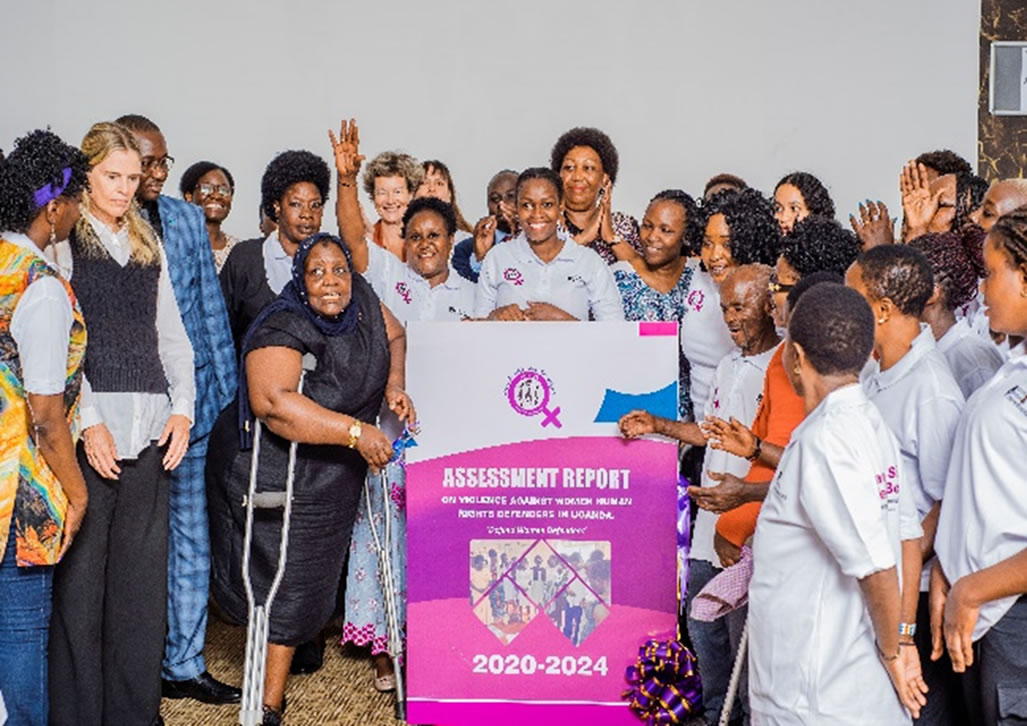
On November 29, 2024, the Women Human Rights Defenders Network Uganda (WHRDNU) launched a pivotal report documenting violence against women human rights defenders (WHRDs) in Uganda between 2020 and 2024. The launch, commemorating the International Day for WHRDs, highlighted the urgent need for protection in an environment where WHRDs face relentless attacks for their advocacy work. The report, built on extensive research and real-life experiences, unveils the stark reality of these defenders who tirelessly fight for human rights amid patriarchal violence and societal norms that often undermine their work.
The findings reveal a staggering 260 documented attacks on WHRDs, with the majority targeting individual defenders. These violations range from physical and emotional harm to professional discreditation and harassment, often leading to deep-rooted fear and self-censorship among defenders. Notably, community members were identified as the primary perpetrators, contradicting the expectation that communities would offer safety.
The report emphasizes the profound toll these attacks take, not only on the physical well-being of WHRDs but also on their mental health and professional reputation. Yet, it also underscores their resilience, highlighting the invaluable role they play in promoting democracy, justice, and peace in Uganda.
Through this report, WHRDNU calls for stronger protection mechanisms, urging government bodies, civil society organizations, and development partners to embrace its recommendations. It is critical that these stakeholders enhance advocacy efforts, integrate gender-sensitive protection strategies, and offer flexible, sustained funding for WHRDs to continue their work fearlessly. The report also highlights the need for gender-based analysis in addressing violence and for recognizing the role of digital spaces as both a tool of empowerment and a platform for abuse.
As we reflect on the findings of this ground-breaking report, it is clear that the path to justice for WHRDs requires collective action. The report serves as a reminder of the urgent need to prioritize the safety and well-being of those who defend human rights, ensuring that no sister is left behind in the fight for a just and equal society.
On 19th July 2024, a virtual regional coordination meeting brought together Women Human Rights Defenders (WHRDs) from the Albertine region to discuss ongoing challenges, share strategies, and strengthen collaboration. While only a portion of the 26 invited participants were able to attend, the meeting highlighted critical issues impacting the work of WHRDs in the region.
The gathering began with a warm welcome and a call to active participation. Attendees shared their recent experiences, including supporting victims of domestic violence, reporting financial exploitation, and advocating for the rights of marginalized groups. Despite facing threats and intimidation, such as harassment from local authorities and male counterparts, the WHRDs expressed determination in their efforts.
Participants discussed best practices, emphasizing the importance of sensitizing community leaders about the vital role WHRDs play. Additionally, they stressed the need for capacity-building to enhance their ability to navigate these challenges. Collaboration and communication were identified as key to avoiding isolation and ensuring collective action.
The meeting concluded with a commitment to gather and report incidents of attacks and threats faced by WHRDs in the region, fostering a stronger network for collective protection. Participants were encouraged to continue sharing insights and supporting one another in their ongoing work to defend women’s rights. This meeting underscored the unwavering resilience of WHRDs in the Albertine region, and the ongoing need for solidarity, protection, and empowerment
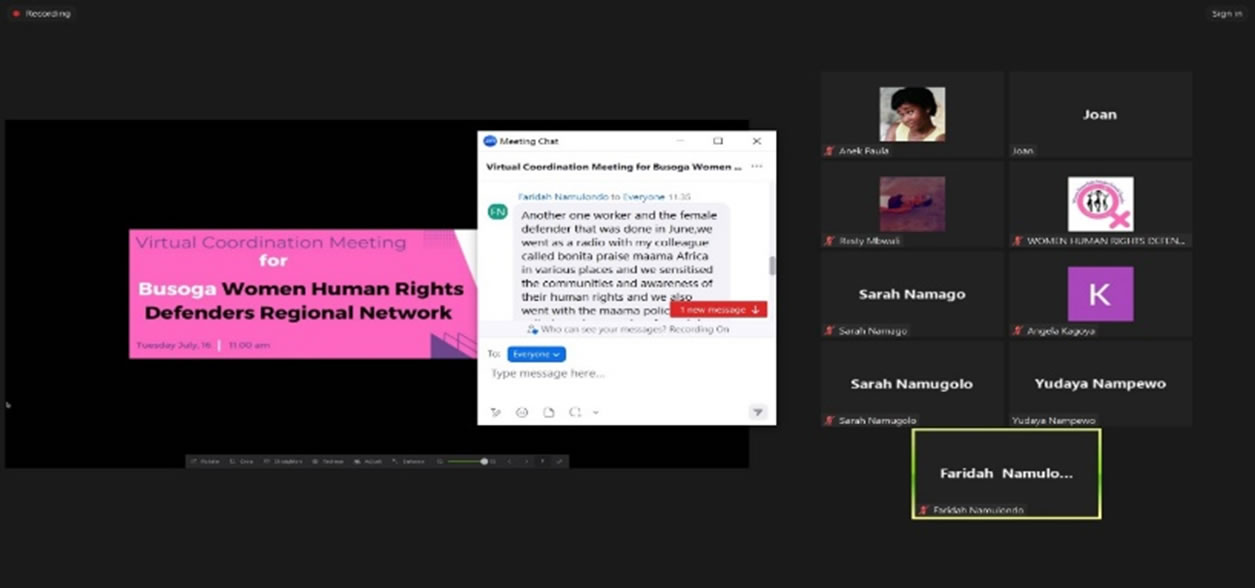
On 16th July 2024, women human rights defenders (WHRDs) from the Busoga region gathered for a virtual coordination meeting to share their experiences, discuss the challenges they face, and explore strategies to enhance their human rights work. Organized by WHRDN-U, the meeting emphasized the importance of building solidarity and fostering a safe environment for defenders across districts.
During the meeting, participants provided updates on their efforts to promote children’s rights, support victims of domestic violence, and fight against land grabbing and sexual harassment. From conducting sensitization campaigns to offering legal assistance, these WHRDs continue to demonstrate resilience in the face of adversity.
However, their work is not without risks. Attendees highlighted various threats, including death threats, intimidation, and verbal attacks. Despite these challenges, the group remains committed to advancing human rights and improving the safety of their communities. They shared best practices, such as organizing regular coordination meetings, resource mobilization, and self-care sessions to ensure their well-being.
In the spirit of mutual support, action points were established, including identifying new WHRDs in their districts and collaborating on outreach activities. This collective effort is crucial for creating a more coordinated and protected network of women defenders in the region.
WHRDN-U continues to be a vital platform for providing protection, capacity building, and networking opportunities, helping to empower women human rights defenders to overcome the unique challenges they face. As they move forward, the unwavering solidarity of the Busoga WHRDs remains a beacon of hope for their communities and a powerful force in the fight for justice.
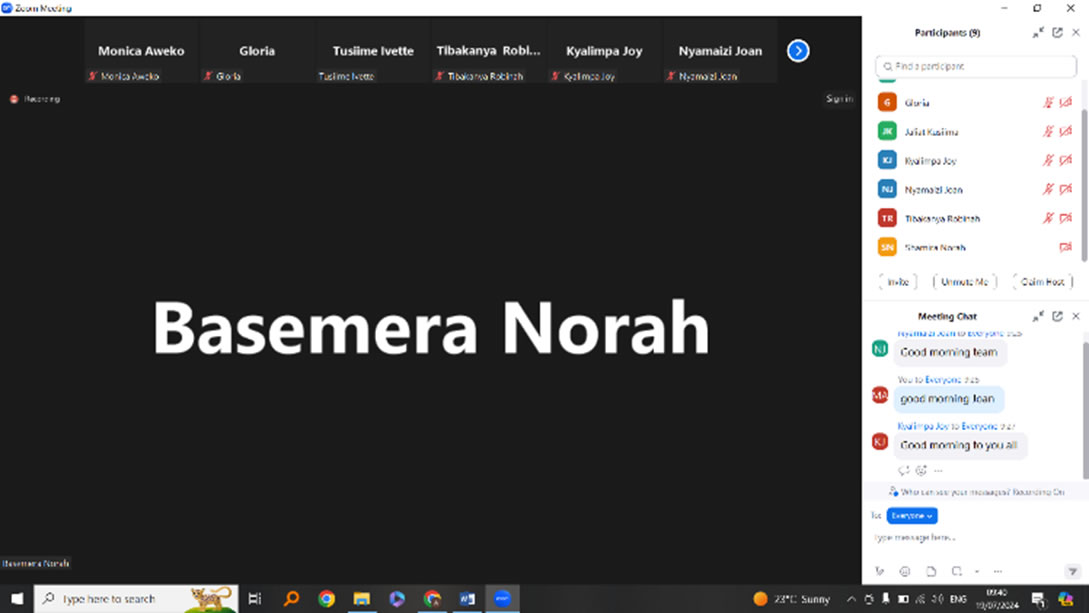
On 12 July 2024, Women Human Rights Defenders (WHRDs) from across Uganda convened for a crucial virtual meeting aimed at strengthening solidarity, addressing challenges, and enhancing strategies for the protection of WHRDs. Despite an invitation to 22 participants, 14 WHRDs actively engaged in the session, sharing updates, exchanging best practices, and setting action points for future collaboration.
Highlights of the Meeting
1. Updates from WHRDs Participants shared inspiring stories of resilience and impact. WHRDs reported on interventions such as supporting survivors of gender-based violence, rescuing teenage girls from forced marriage, and facilitating the return of children to their families. Others provided legal support for sex workers and followed up on justice for victims of violence. These updates showcased the unwavering commitment of WHRDs to uphold human rights in their communities, often at great personal risk.
2. Current Challenges and Threats The meeting highlighted the dangers WHRDs face in their work. Participants reported threats from community members, police harassment, and financial constraints that hinder their ability to follow up on cases. For instance, one WHRD faced community backlash for intervening in a case of a family whose house was set on fire, while another experienced hostility from police while following up on cases. The safety and well-being of WHRDs remain a significant concern that requires collective action and support.
3. Best Practices and Strategies Participants shared strategies to enhance the protection of WHRDs. Suggestions included fostering collaboration with local authorities and police, documenting human rights achievements, and organizing support meetings to strengthen solidarity among WHRDs. Building strong relationships with duty bearers was emphasized as a critical approach to mitigating risks and threats.
4. Action Points and Next Steps The WHRDs identified key action points to sustain momentum and strengthen protection. Notably, they committed to organizing an exchange visit with a female journalist to understand the challenges faced by women in media and build synergies. Additionally, they plan to engage with senior gender officers to discuss protection strategies and establish working relationships for future collaboration.Meeting minutes for virtual regional coordination meeting for Eastern regional WHRDs.
We use cookies to ensure that we give you the best experience on our website. If you continue to use this site we will assume that you are happy with it.