STRENGTHENING PROTECTION FOR SEX WORKER WOMEN HUMAN RIGHTS DEFENDERS (SWRDS) IN UGANDA

STRENGTHENING PROTECTION FOR SEX WORKER WOMEN HUMAN RIGHTS DEFENDERS (SWRDS) IN UGANDA

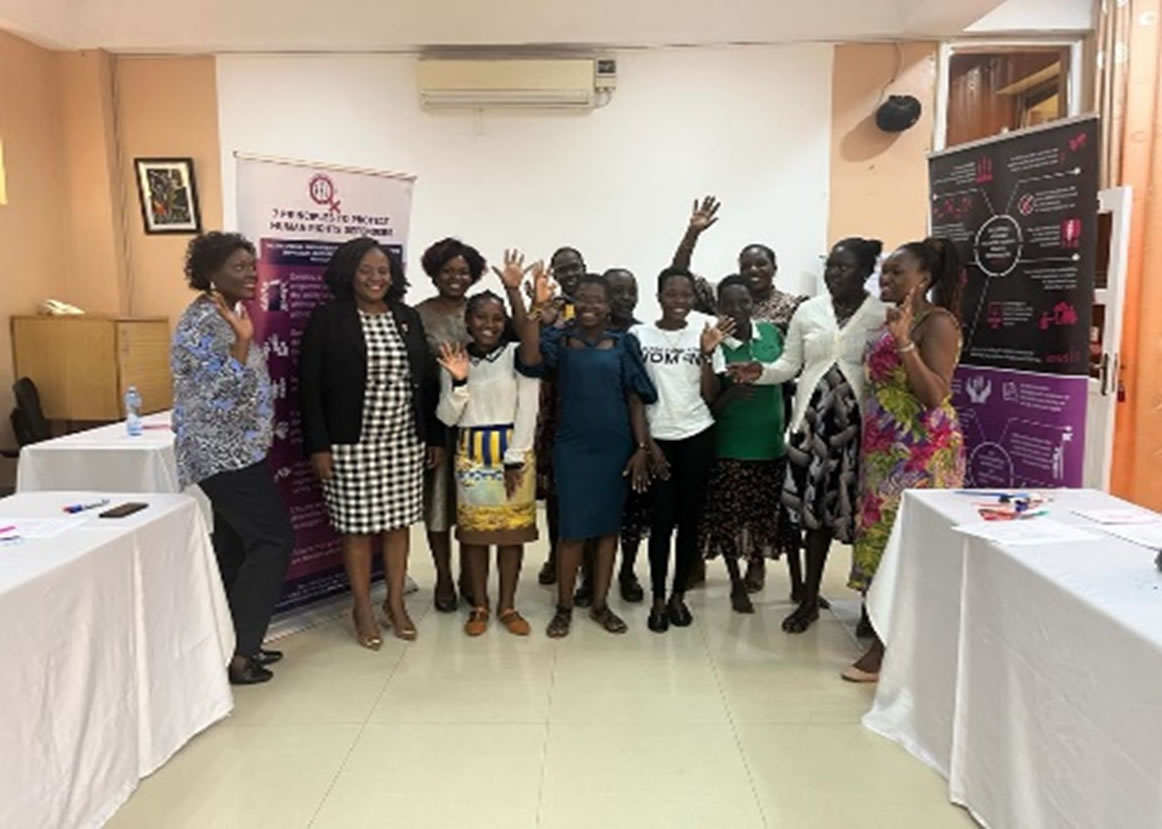
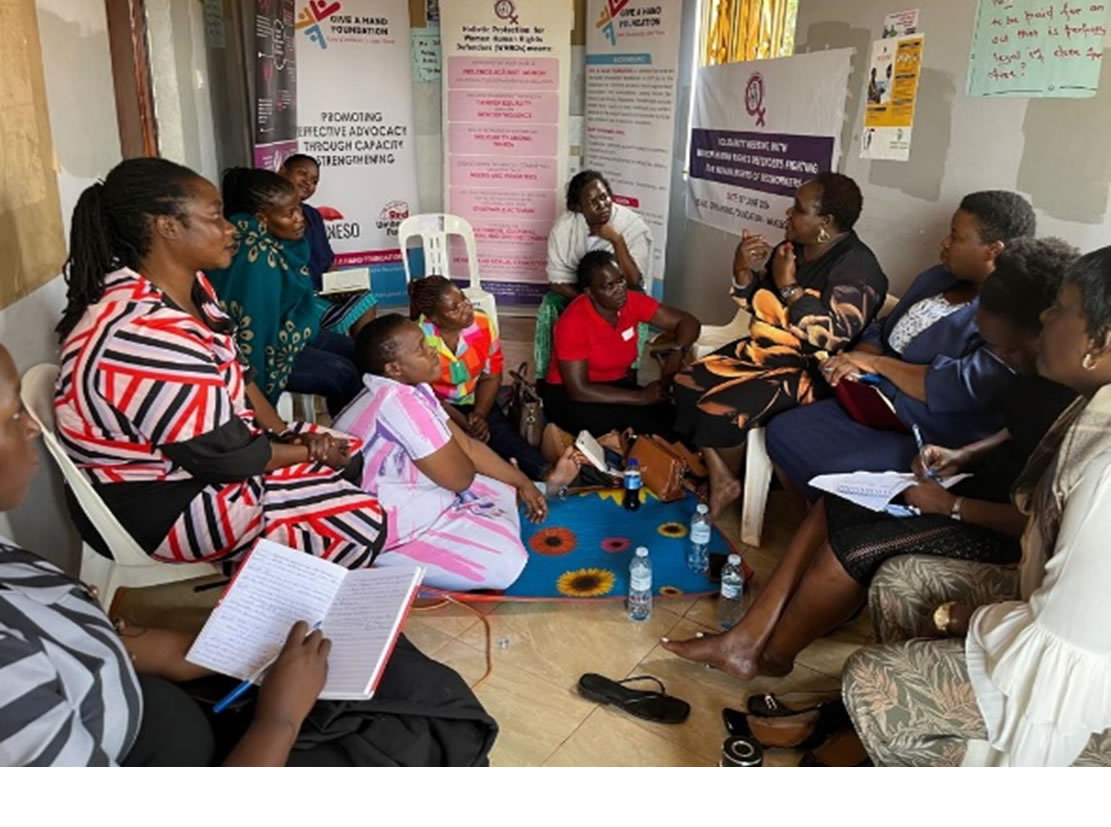
The Women Human Rights Defenders Network Uganda (WHRDN-U) recently convened a consultative meeting with nine Women Human Rights Defenders (WHRDs) advocating for the rights of sex workers. The half-day session provided a safe space for defenders to share experiences, discuss the impact of Uganda’s Anti-Homosexuality Act, 2023, and develop strategies to protect themselves and their communities from increasing attacks and threats.

Key Highlights of the Meeting

  1. Welcome Remarks

    – WHRDN-U leadership emphasized the importance of reporting violations to ensure timely protection and support. The network has committed to providing legal aid, relocation support, and capacity-building initiatives for WHRDs.
  2. Updates on Activism Work

    – WHRDs shared their ongoing efforts, such as legal support for detained sex workers, community-based human rights awareness, and providing educational support for children of sex workers.

    – Participants also noted the importance of building working relationships with key government stakeholders, including the Uganda Human Rights Commission and the Equal Opportunities Commission.
  3. Challenges and Violations Faced by SWRDs

    Physical Threats and Violence: Reports of femicide, physical assaults, and threats against family members.
    Arrests and Detentions: SWRDs face wrongful accusations, with some experiencing sexual abuse while in detention.
    Public Hostility and Hate Speech: Defenders endure verbal attacks from community members, cultural, religious, and government leaders.
    Raids on Homes and Offices: Police and local authorities conduct raids on SWRDs’ homes and offices, disrupting their work.
    De-registration and Closure Threats: Offices of SWRDs’ organizations face threats of deregistration and forced closure.
  4. Testimonies of Resilience
    – Participants shared personal stories, including harassment and threats from law enforcement and online defamation. Despite these challenges, they continue their advocacy for sex workers’ rights.
  5. Success Stories
    – SWRDs reported positive community impacts, such as supporting detained sex workers with legal aid, ensuring access to education for children of sex workers, and fostering human rights dialogue at community levels.
  6. Challenges Identified
    – A significant challenge identified was the reluctance of defenders to report cases of threats and attacks, which limits WHRDN-U’s ability to offer timely protection and support.

Recommendations for Strengthening Protection of SWRDs

  1. Capacity Building and Networking
    • Strengthen capacity-building initiatives and create networking opportunities for SWRDs to share strategies for movement-building and collective protection.
  2. Emergency Response and Protection Support
    • Provide emergency support to SWRDs targeted by hate speech, defamation, raids, and arrests, while also enhancing the security of their offices.
  3. Wellness and Self-Care Spaces
    • Establish physical spaces where SWRDs can access wellness and self-care sessions to strengthen their mental and emotional resilience.
  4. Visibility and Advocacy
    • Enhance the visibility of violations faced by SWRDs to raise awareness, mobilize support, and advocate for policy reforms.
STRENGTHENING PROTECTION FOR SEX WORKER WOMEN HUMAN RIGHTS DEFENDERS (SWRDS) IN UGANDA

The consultative meeting highlighted the urgent need for continuous support to SWRDs, who face intensified risks under Uganda’s current legal environment. By addressing the challenges and strengthening protection mechanisms for SWRDs, Uganda can create a safer and more inclusive society that upholds the rights and dignity of all its people.
STRENGTHENING PROTECTION FOR WOMEN HUMAN RIGHTS DEFENDERS IN WEST NILE

STRENGTHENING PROTECTION FOR WOMEN HUMAN RIGHTS DEFENDERS IN WEST NILE

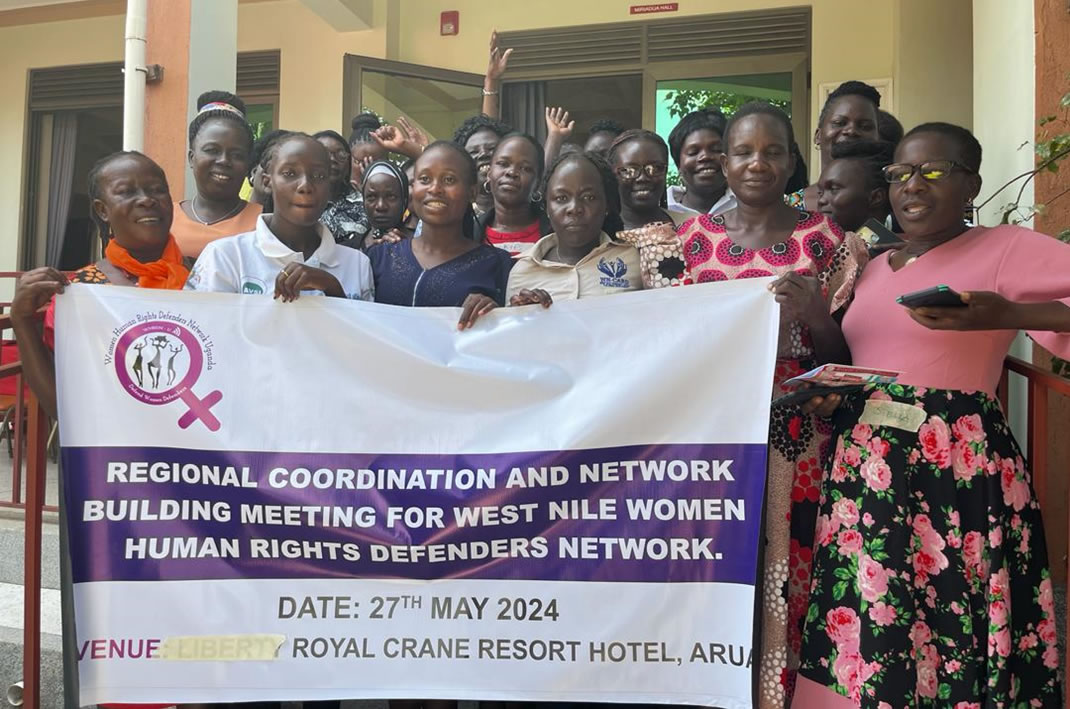
In a recent regional coordination and network-building meeting, 20 women human rights defenders (WHRDs) from West Nile gathered to enhance their ability to identify and mitigate threats in their vital work. The meeting, organized by the Women Human Rights Defenders Network Uganda (WHRDN-U), focused on equipping participants with essential knowledge to safeguard their rights and security both online and offline.


STRENGTHENING PROTECTION FOR WOMEN HUMAN RIGHTS DEFENDERS IN WEST NILE

The women discussed various challenges they face in their advocacy work, ranging from physical threats like office raids and unlawful arrests to online dangers, including cyberbullying, threats, and online surveillance. Through engaging discussions, they identified critical security measures, such as stronger office security, digital tools for privacy protection, and strategies to secure personal and professional information.

The Uganda Human Rights Commission pledged to strengthen its collaboration with WHRDs in the region, offering future training opportunities to support their work. The WHRDN-U also emphasized the importance of coordination among WHRDs, ensuring mutual support in the face of common challenges. Despite the setbacks, the women committed to enhancing their solidarity and creating stronger networks for collective protection.

Looking ahead, the WHRDN-U will continue to support the West Nile WHRDs with capacity-building, digital security training, and advocacy engagements with policy makers. By reinforcing self-care practices and emergency response services, the network aims to ensure that these women can continue their critical work with confidence and security.

As we reflect on these efforts, it is clear that the protection of women human rights defenders is paramount for the advancement of justice and equality. Their resilience and commitment to human rights remain an inspiration for all.

STRENGTHENING ALLIANCES FOR WOMEN HUMAN RIGHTS DEFENDERS IN BUKEDI

STRENGTHENING ALLIANCES FOR WOMEN HUMAN RIGHTS DEFENDERS IN BUKEDI

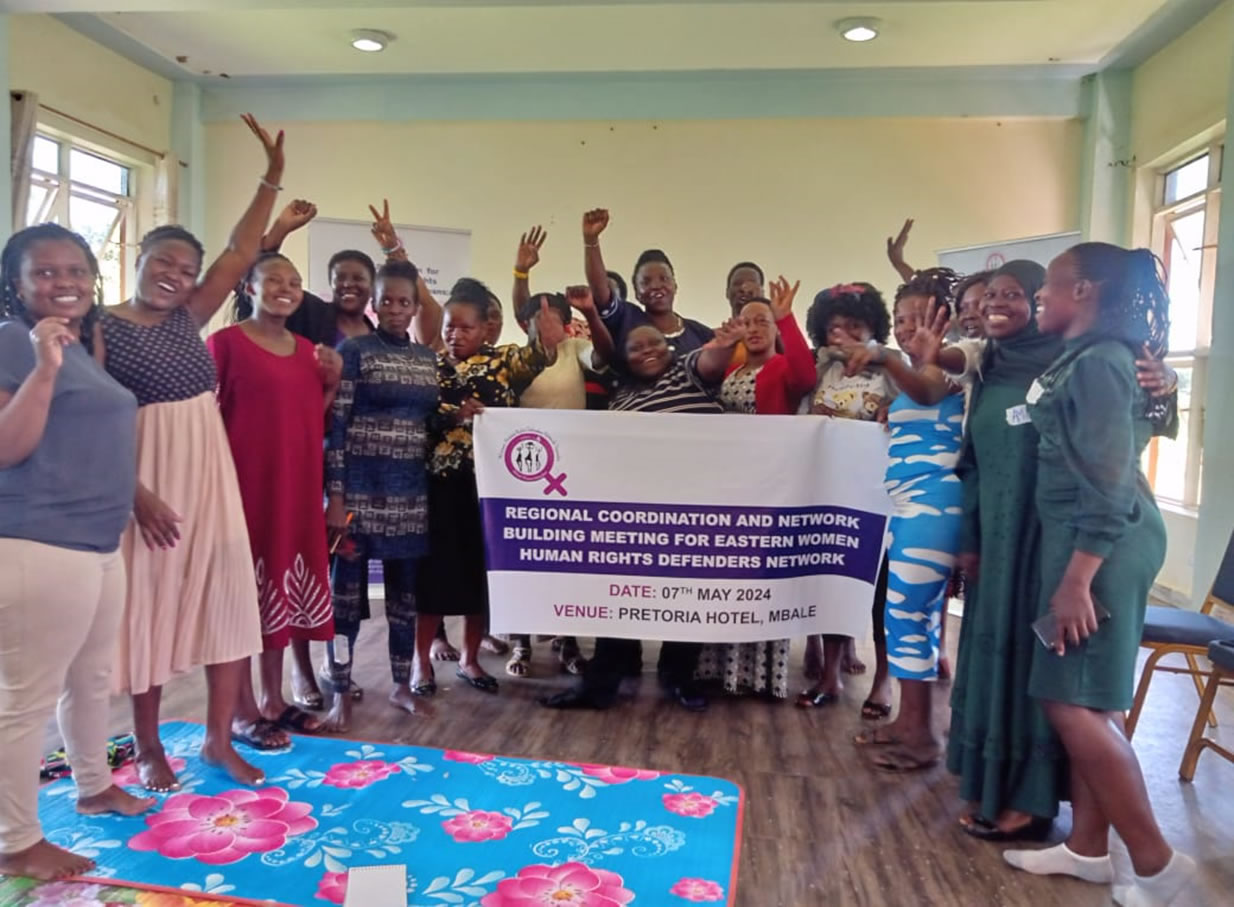
In a significant step towards strengthening the protection of Women Human Rights Defenders (WHRDs) in Uganda, a regional coordination meeting was held in January 2024 at Belmont Villa Hotel, Mbale. The gathering brought together 15 courageous women from across the Bukedi sub-region, all united by their commitment to advocating for human rights, despite the numerous threats they face due to their gender and activism.

The meeting provided a platform for these defenders to share their experiences, learn vital skills in documenting attacks, and strategize on enhancing their safety. The participants—facing risks such as online harassment, physical assault, and intimidation—discussed the challenges they endure and the urgent need for a unified response to safeguard their work.

The meeting’s success lies in its ability to raise awareness about the unique and intersectional struggles faced by marginalized WHRDs, especially those from Key population  communities or with disabilities. It also focused on the contributions of defenders who are tirelessly working against issues like gender-based violence, female genital mutilation, and land grabbing, yet often go unrecognized.

STRENGTHENING ALLIANCES FOR WOMEN HUMAN RIGHTS DEFENDERS IN BUKEDI

With solidarity and a strong commitment to collective action, the WHRDs present outlined strategies for building a robust regional network. They agreed on the importance of collaboration, confidentiality, and sustained communication to address human rights violations, offering a safe space for their voices to be heard.

This meeting was a pivotal moment for women defenders in the Bukedi region, who now have an empowered network of support. As these WHRDs continue their crucial work, they are committed to identifying new allies, expanding their efforts, and fostering an environment where their safety is prioritized, and their contributions are celebrated.

The way forward is clear: by identifying and supporting new WHRDs, and sharing best practices across the region, these defenders will continue to build a safer, more just society for all.

STRENGTHENING PROTECTIONS FOR WOMEN HUMAN RIGHTS DEFENDERS: INSIGHTS FROM A CRITICAL DIALOGUE WITH THE EQUAL OPPORTUNITIES COMMISSION.

STRENGTHENING PROTECTIONS FOR WOMEN HUMAN RIGHTS DEFENDERS: INSIGHTS FROM A CRITICAL DIALOGUE WITH THE EQUAL OPPORTUNITIES COMMISSION.

WHRDs play a vital role in promoting human rights, equality, and social justice across Uganda. However, they continue to face significant threats, discrimination, and violations of their rights. A recent interactive dialogue facilitated by Women Human Rights Defenders Network Uganda (WHRDN-U) with the Equal Opportunities Commission (EOC) shed light on these pressing issues and explored pathways for stronger protection mechanisms.

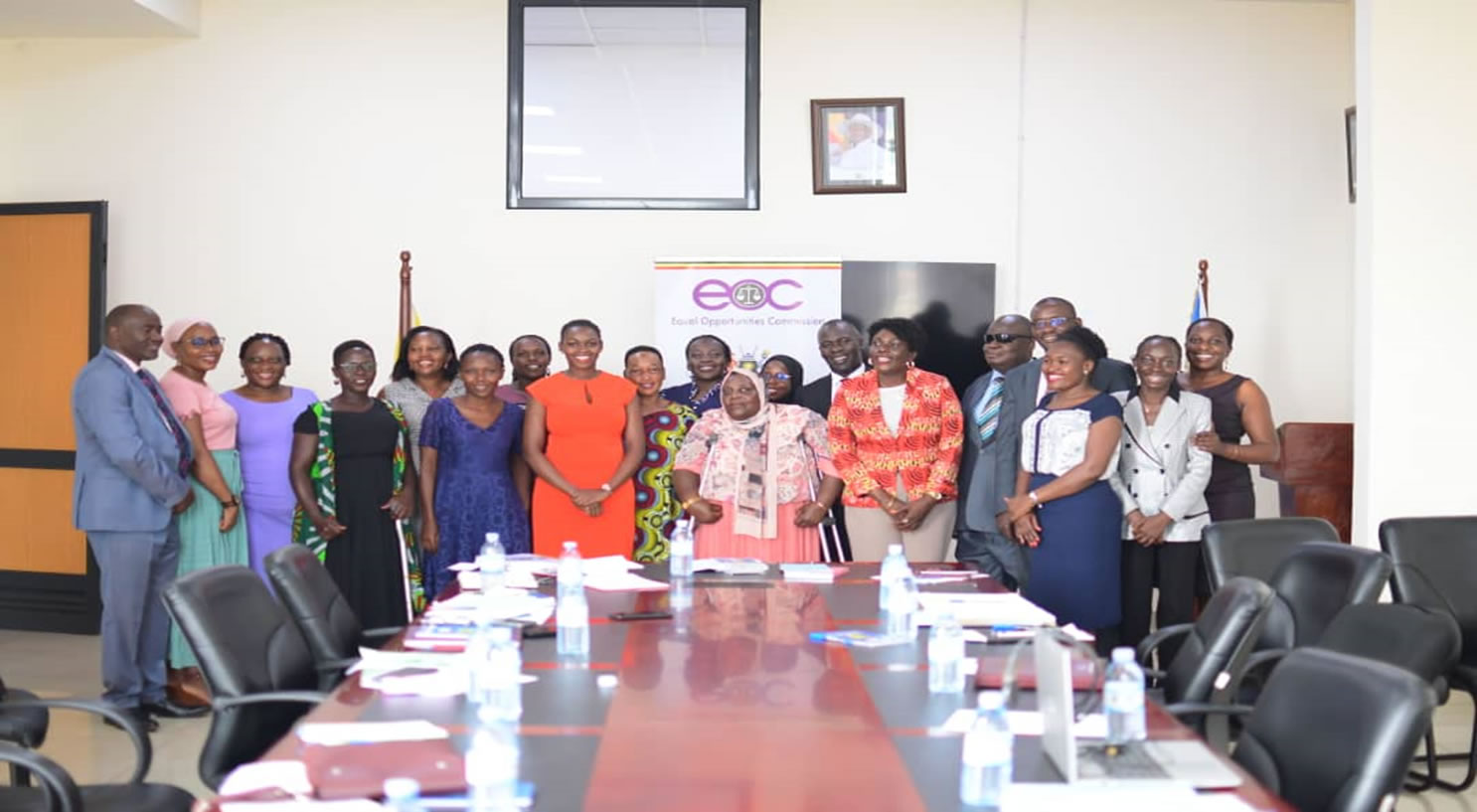
On April 16, 2024, 06 WHRDs representing diverse social movements and regions across Uganda, engaged in a dialogue with the EOC at its offices in Kampala. The meeting provided a platform for WHRDs to share their lives experiences and highlight the urgent challenges they face. Their testimonies revealed patterns of threats, harassment, and discrimination, underscoring the need for strengthened support and collaboration with government institutions.

Lived Realities and Urgent Challenges. One WHRD shared her experiences of being denied access to government program due to stigma associated with her health status, while another narrated threats and intimidation faced while advocating for rights of indegeneous community evicted from their ancestral land.  Stories of WHRDs advocating for disability rights and those documenting human rights violations in Uganda’s oil and extractive sector revealed the extent of hostility and abuse they face in their work. These powerful testimonies moved members of the EOC, with the Chairperson pledging immediate action to address the highlighted issues.

Commitment from the Equal Opportunities Commission. GThe Honorable Chairperson of the EOC.Ms.Sophia Nalule,  reaffirmed the commission’s constitutional mandate to eliminate inequality, discrimination, and marginalization. She pledged to document the situation of WHRDs in the commission’s annual report and called for the development of stronger safeguards for WHRDs working in the oil, gas, and extractive sector. The Chairperson further promised to strengthen collaboration with WHRDN-U through partnership with the commission’s Legal Services and Investigation Department.

Key Recommendations to Advance Protection were presented to the EOC, including the need to assign a focal person at the commission to sensitized WHRDs about the commission’s mandate, recognize WHRD’s contribution to addressing inequality, and establish a complaint mechanism for WHRDs. These steps aim to bridge the gap between WHRDs and government bodies, ensuring timely responses to cases of discrimination and inequality.

A Call to Action. The WHRDN-U’s Executive Director emphasized the importance of creating safe spaces for WHRDs to share their challenges and engage directly with policy makers. She highlighted the organization’s commitment to providing holistic protection for WHRDs, including legal aid, wellness support and emergency relocation for those facing imminent threats.

The dialogue marked a critical step toward fostering meaningful collaboration between WHRDs and government bodies. As the EOC commits to increased support for WHRDs, there is hope that targeted measures will protect these frontline defenders and enhance their ability to continue their vital work without fear of reprisals.

Article published by Brenda Kugonza, Executive Director of WHRDN-U

ADVOCACY DIALOGUE BRINGS WOMEN HUMAN RIGHTS DEFENDERS AND UGANDA HUMAN RIGHTS COMMISSION TOGETHER

ADVOCACY DIALOGUE BRINGS WOMEN HUMAN RIGHTS DEFENDERS AND UGANDA HUMAN RIGHTS COMMISSION TOGETHER

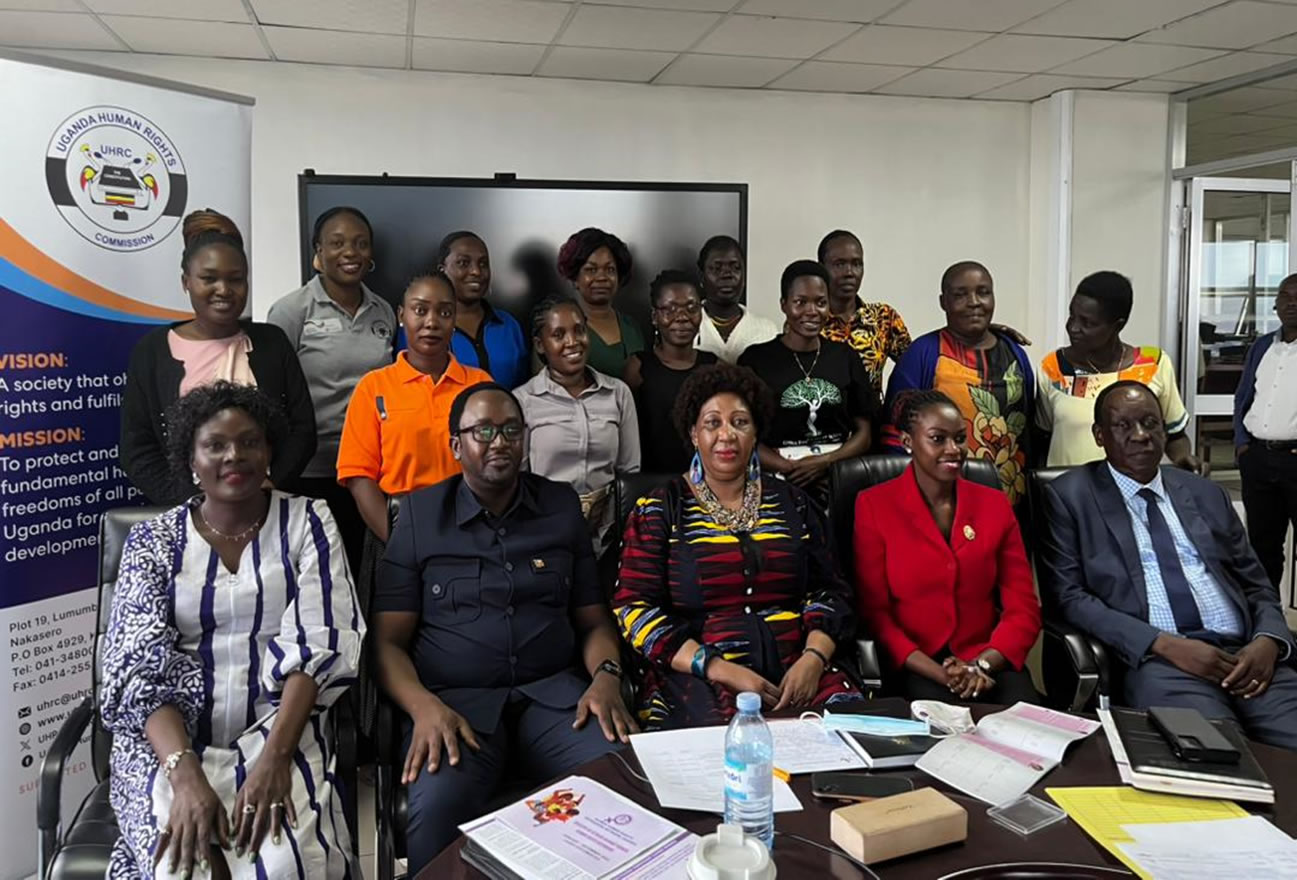
On April 5, 2024, a  dialogue took place between Women Human Rights Defenders (WHRDs) and the Uganda Human Rights Commission (UHRC) at the Commission’s offices in Kampala. The meeting, facilitated by the Women Human Rights Defenders Network Uganda (WHRDN-U), allowed WHRDs to openly share the challenges they face in their activism and advocate for enhanced protection and support from policy makers.

The discussion focused on critical issues such as physical and psychological threats, sexual harassment, cyber abuse, and public shaming that WHRDs experience. These defenders, representing various social movements across the country, highlighted the intersectional nature of gender-specific attacks, which often undermine their work and emotional well-being.

ADVOCACY DIALOGUE BRINGS WOMEN HUMAN RIGHTS DEFENDERS AND UGANDA HUMAN RIGHTS COMMISSION TOGETHER

The Uganda Human Rights Commission, represented by key officials including the Chairperson, acknowledged the unique struggles of WHRDs and committed to fostering a supportive relationship. In response to the challenges shared, recommendations were made, including the creation of a Memorandum of Understanding (MoU) to formalize collaboration between the Commission and the WHRDN-U. The Commission pledged to integrate these recommendations, such as documenting the role of WHRDs in promoting human rights and addressing barriers to registration for marginalized organizations.

While the meeting was a step forward, concerns remain, including the failure to adequately highlight the situation of WHRDs in the Commission’s annual human rights reports and the implications of the Anti-Homosexuality Act on their work.

Looking ahead, the WHRDN-U will continue to advocate for the implementation of these commitments, ensuring that the voices and safety of Women Human Rights Defenders are prioritized at all levels of policy and practice. The momentum generated from this meeting marks a significant stride in the ongoing fight for justice, equality, and protection for those who defend human rights in Uganda.

Article published by Brenda Kugonza, Executive Director of WHRDN-U

EMPOWERING WOMEN HUMAN RIGHTS DEFENDERS STRENGTHENING ADVOCACY AND ENGAGEMENT WITH NATIONAL MECHANISMS

EMPOWERING WOMEN HUMAN RIGHTS DEFENDERS: STRENGTHENING ADVOCACY AND ENGAGEMENT WITH NATIONAL MECHANISMS

On April 4th, 2024, a group of passionate Women Human Rights Defenders (WHRDs) gathered at Eureka Place Hotel in Kampala for an important advocacy workshop. Organized by the Women Human Rights Defenders Network Uganda, the workshop aimed to enhance the capacity of these defenders in engaging with national human rights protection mechanisms, particularly the Uganda Human Rights Commission (UHRC).

Through a series of informative sessions, the participants gained crucial insights into the role and mandate of the UHRC, and how they can effectively advocate for their protection and safety. The training included engaging discussions, a Q&A session, and practical exercises, where WHRDs learned how to craft collective statements and advocacy briefs. They also developed testimonies to highlight the violations they face and the need for stronger protective measures.

A significant part of the workshop was dedicated to improving participants’ advocacy skills. They were taught how to engage stakeholders, including government institutions and human rights organizations, with evidence-based strategies. One key takeaway was the importance of mapping stakeholders and building collaborative networks for effective engagement.

EMPOWERING WOMEN HUMAN RIGHTS DEFENDERS STRENGTHENING ADVOCACY AND ENGAGEMENT WITH NATIONAL MECHANISMS

Despite these gains, challenges remain. Many WHRDs are unaware of the regional offices of the UHRC, which limits their access to protection services. Additionally, the commission’s ability to handle cases is constrained by limited resources.

Looking ahead, the Women Human Rights Defenders Network Uganda plans to connect WHRDs with regional offices of the UHRC to foster stronger working relationships. This effort aims to ensure that WHRDs can access the support and protection they need to continue their invaluable work.

By equipping these defenders with knowledge and practical tools, the workshop marks a crucial step toward advancing their safety and advocacy efforts in Uganda.

Article published by Brenda Kugonza, Executive Director of WHRDN-U

STRENGTHENING ALLIANCES FOR THE PROTECTION OF WOMEN HUMAN RIGHTS DEFENDERS IN BUSOGA

STRENGTHENING ALLIANCES FOR THE PROTECTION OF WOMEN HUMAN RIGHTS DEFENDERS IN BUSOGA

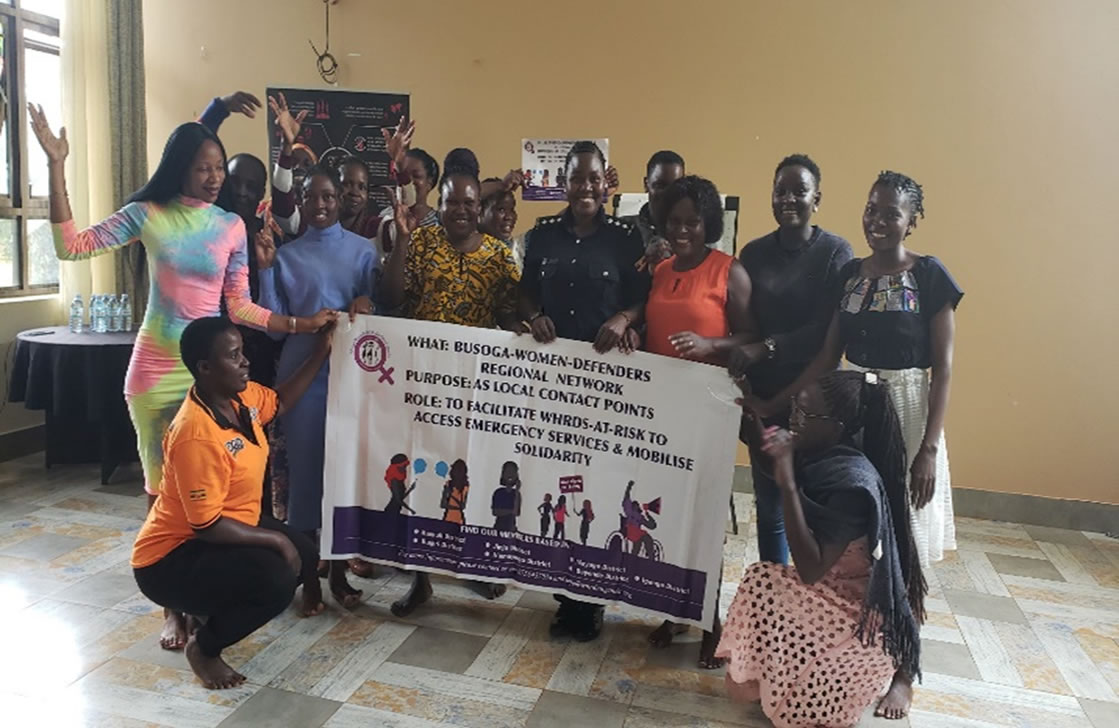
In January 2024, Women Human Rights Defenders (WHRDs) from the Busoga sub-region convened for a transformative regional coordination meeting, aimed at enhancing their capacity and fortifying alliances for the protection of women defenders. Held at Ci’ Sand Suites Hotel in Jinja, the meeting brought together 15 defenders to share experiences, develop essential skills, and strategize on how to combat the growing threats faced by women activists.

This initiative stemmed from a 2022 effort by WHRDN-U, which had established regional networks across Uganda, including in Busoga. During the meeting, participants engaged in various training sessions, focusing on documenting attacks and reporting mechanisms, and learning how to better protect themselves and others. The importance of solidarity, collaboration, and self-care was emphasized, as many WHRDs face significant challenges such as verbal and physical attacks, online harassment, and workplace discrimination.

STRENGTHENING ALLIANCES FOR THE PROTECTION OF WOMEN HUMAN RIGHTS DEFENDERS IN BUSOGA

A key highlight was the recognition of WHRDs’ invaluable contributions to society, including fighting for land rights, addressing gender-based violence, and supporting marginalized groups such as persons with disabilities. Notable activists, such as Resty (Nakapachu), Senga Safina, Kayanga Elizabeth, and Fazira Kauma, were acknowledged for their efforts in transforming their communities and advocating for justice.

Despite the progress, several challenges remain, including the lack of prioritization of safety and security, burnout, and logistical difficulties in maintaining effective regional networks. WHRDN-U has committed to providing continued mentorship, wellness sessions, and facilitating networking opportunities for WHRDs, ensuring their voices remain strong and protected.

As the movement progresses, the integration of a feminist perspective into protection networks and the active engagement of local stakeholders will remain key to the success of this vital initiative. The journey towards safer spaces for women human rights defenders is ongoing, with the collective strength and resilience of defenders in Busoga shining as an example for others to follow.