By Brenda Kugonza
In Uganda, women human rights defenders (WHRDs) are not just witnesses to injustice , they are the ones documenting, confronting, and demanding accountability where silence has long prevailed. Their work often collides with entrenched cultural practices, and community hostility. Yet, for many defenders, the greater challenge has been knowing which institutions will listen, respond, and protect.
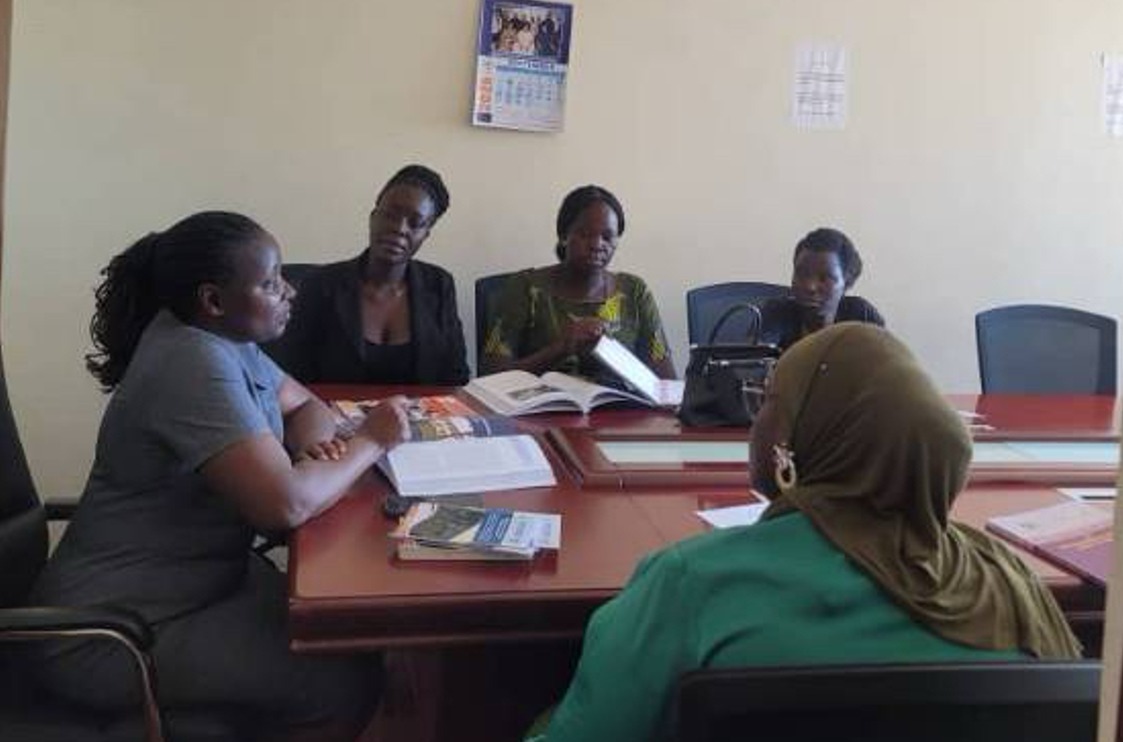
That is why the recent two-day engagement between WHRDs and the Uganda Human Rights Commission (UHRC) was more than a workshop. It was a deliberate attempt to carve out practical pathways of collaboration, moving defenders from isolation into direct contact with a national institution mandated to uphold rights.
From Questions to Clarity
The dialogue was candid. Defenders asked how to report violations without escalating risk, how to distinguish abuses from violations, and how to hold duty bearers accountable. The UHRC facilitators responded with frameworks rooted in law: rights holders versus duty bearers, the constitutional obligations that ground every claim and the PANEL principles:
- Participation 🗣️ People affected by decisions must have access to information and meaningful opportunities to participate in shaping those decisions.
- Accountability 📑 Duty bearers (institutions, officials, service providers) must be answerable for their actions and decisions, and mechanisms must exist to hold them responsible when rights are violated.
- Non-discrimination ⚖️ Everyone should be treated equally, with special attention to marginalized or excluded groups to ensure they are not left behind.
- Empowerment 💪 Communities and individuals should have the knowledge, skills, and confidence to claim their rights and engage with institutions.
- Legal framework 📚 Human rights claims must be grounded in law, ensuring that people have clear avenues to seek justice and redress through constitutional and legal mechanisms.
This shift from personal experience to evidence-based documentation gave WHRDs a stronger footing. As one participant reflected, “A person needs to survive before they can continue defending another person.”
Referral Pathways That Work
For many defenders, the maze of institutions has been a barrier. The engagement clarified where cases should go from courts and police units to labour offices and specialised agencies and what to do when the first referral fails. UHRC’s commitment to link WHRDs with regional offices, including Moroto, was a breakthrough for defenders working far from Kampala.
Naming the Social Cost
The sessions also exposed the social hostility defenders endure: branded “home breakers,” “culture spoilers,” or “useless women.” These labels are weapons of stigma, designed to silence women who challenge harmful norms. WHRDN-U’s emphasis on self-care and collective wellness was therefore not peripheral but central to sustaining the work.
Strategic Lessons
The engagement underscored that:
- Evidence strengthens advocacy.
- Risk assessment must precede action.
- Constructive engagement means clarity, not avoidance.
- Networks and verified directories can transform protection.
Immediate priorities include connecting WHRDs in Amudat and Karamoja with UHRC regional offices, turning referral information into a simple guide, and consolidating the mapping of defenders already active across Uganda.
Conclusion
This was not a symbolic meeting. It was the forging of pathways — practical, institutional, and human. WHRDs now have contacts, tools, and a clearer understanding of UHRC’s role. The Commission, in turn, has seen the courage and urgency of women defenders across Uganda.
The challenge ahead is to ensure these pathways are walked: referrals used, cases followed, regional offices accessed. Only then will Uganda’s human rights system move from promise to practice, serving those who risk everything to defend it.


